
The theater fell quiet at the moment the credits rolled and every row felt slightly guilty. I watched people who once booed the film now whisper fragments of stunned admiration. You can still feel the scandal bristling beneath the applause.
I’ve followed this movie’s long, messy life—and I want you to know what this new home release really delivers. This isn’t just a reissue; it’s a reconstruction aimed at setting the record straight.

In a packed revival cinema one night, you could sense how strange it felt to watch a scandal age into reverence
The 1971 release of The Devils was a lightning rod: sexual transgression, religious fury, and a director who preferred provocation to compromise. Now, after decades of cuts and controversy, Warner Bros. Clockwork and Fidelity In Motion present the first-ever 4K UHD of Ken Russell’s The Devils—the fully uncensored, definitive director’s cut. I’ve seen other restorations that polish comfort out of a film; this one restores the appetite.
When is the director’s cut coming to Blu-ray and 4K?
Pre-orders are live now at major retailers, but physical copies don’t ship until April 20, 2027. If you’re counting days like I do, mark the date. The theatrical restoration is currently on screens, which makes the delay feel strategic: it’s priming audiences before the home release.
At a film archive screening last year, people noted how cleanly the new transfer removes age without erasing grain
This release is billed as a fidelity-first restoration. Fidelity In Motion handled encoding and the package includes a newly restored monaural soundtrack. That matters: the movie’s textures—religious iconography, Reed’s performance, and Russell’s shock shorthand—survive the upgrade. I’ll say it plainly: the restoration is a time machine that returns the film to its intended intensity.
Is this the uncensored version?
Yes. Both editions include the uncensored, definitive director’s cut (114 minutes). The Collector’s Edition goes further by offering multiple versions on Blu-ray: the UK X‑Rated cut (111 minutes) and the U.S. R‑Rated cut (108 minutes), so you can compare what was taken out and why.
At conventions and retrospectives I attend, collectors always ask for extras that explain how a cut came to exist
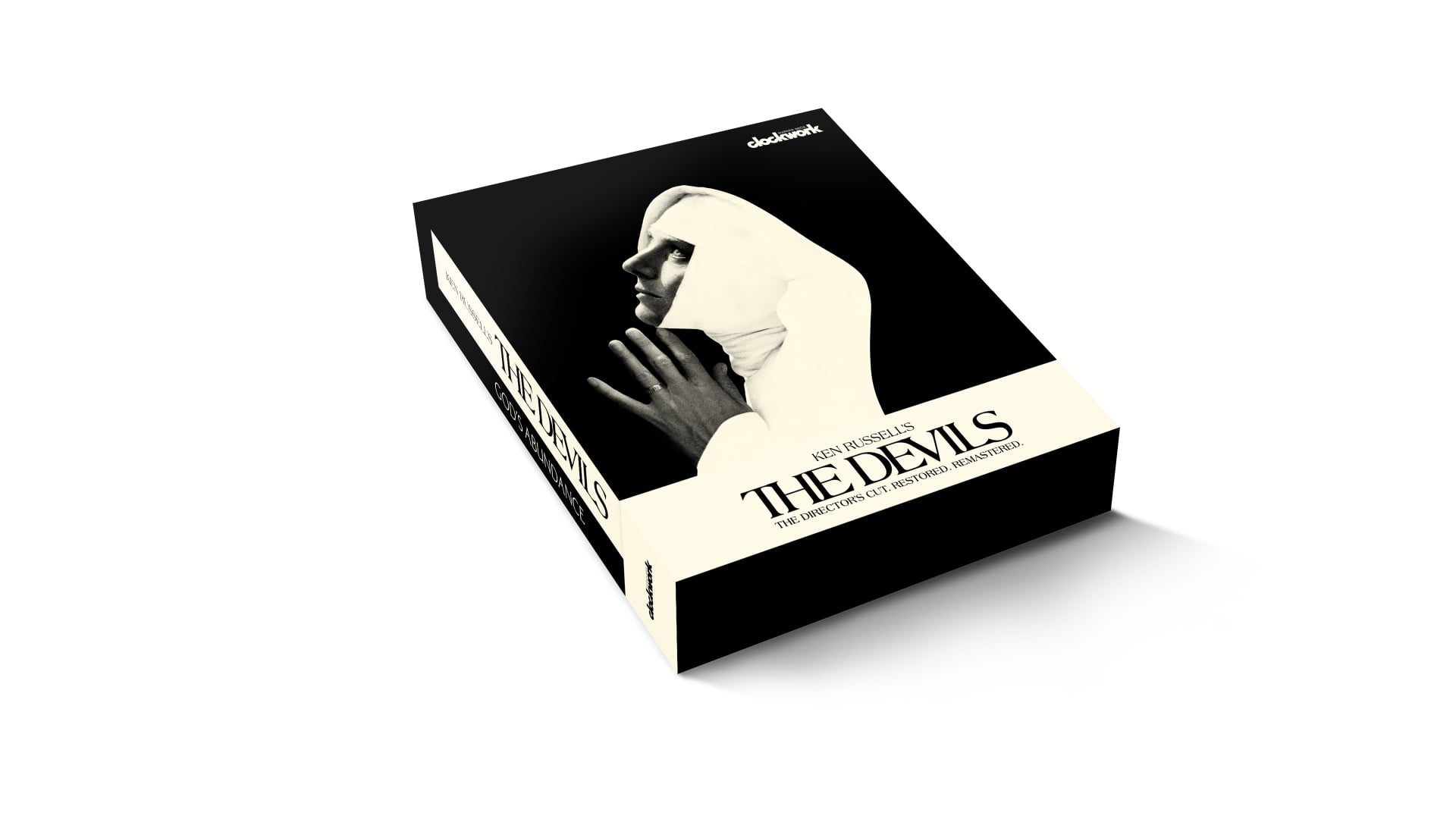
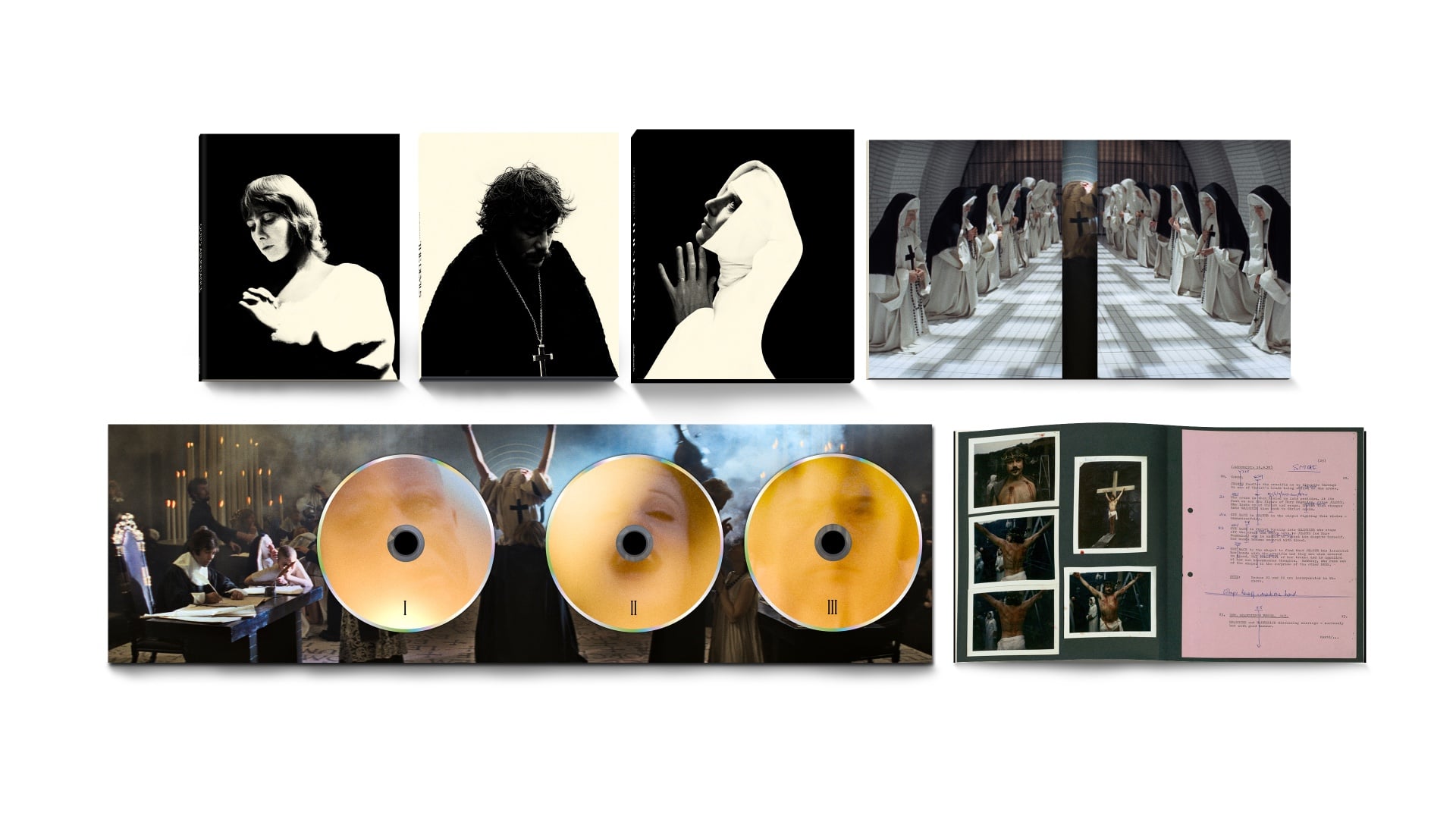
Warner’s package answers that curiosity with depth. The Collector’s Edition (3-disc 4K UHD + Blu-ray) is crammed with archival and new material: Ken Russell’s unedited 2004 commentary with Michael Bradsell, Mark Kermode and Paul Joyce; a never-before-seen extended scene; a new extended version of the Hell on Earth documentary; Guillermo del Toro’s fresh interview; and a 96-page book with photos and continuity pages. It’s the kind of kit that treats the film like a subject for study rather than a mere commodity.

What’s included in the Collector’s Edition?
Here’s the short version: the 3-disc Collector’s Edition packs the 4K UHD transfer of the uncensored director’s cut, Blu-ray presentations of the director’s cut and the alternate UK and U.S. cuts, the full 2004 commentary, dozens of archival interviews, new features (including a del Toro interview), a remaster of Russell’s short Amelia and the Angel, behind-the-scenes footage, camera slates, costume sketches, Q&As, archival trailers, and a 96-page book. The list reads like a small film school curriculum.
At the merch table after a Russell Q&A, collectors asked whether the price matched the contents
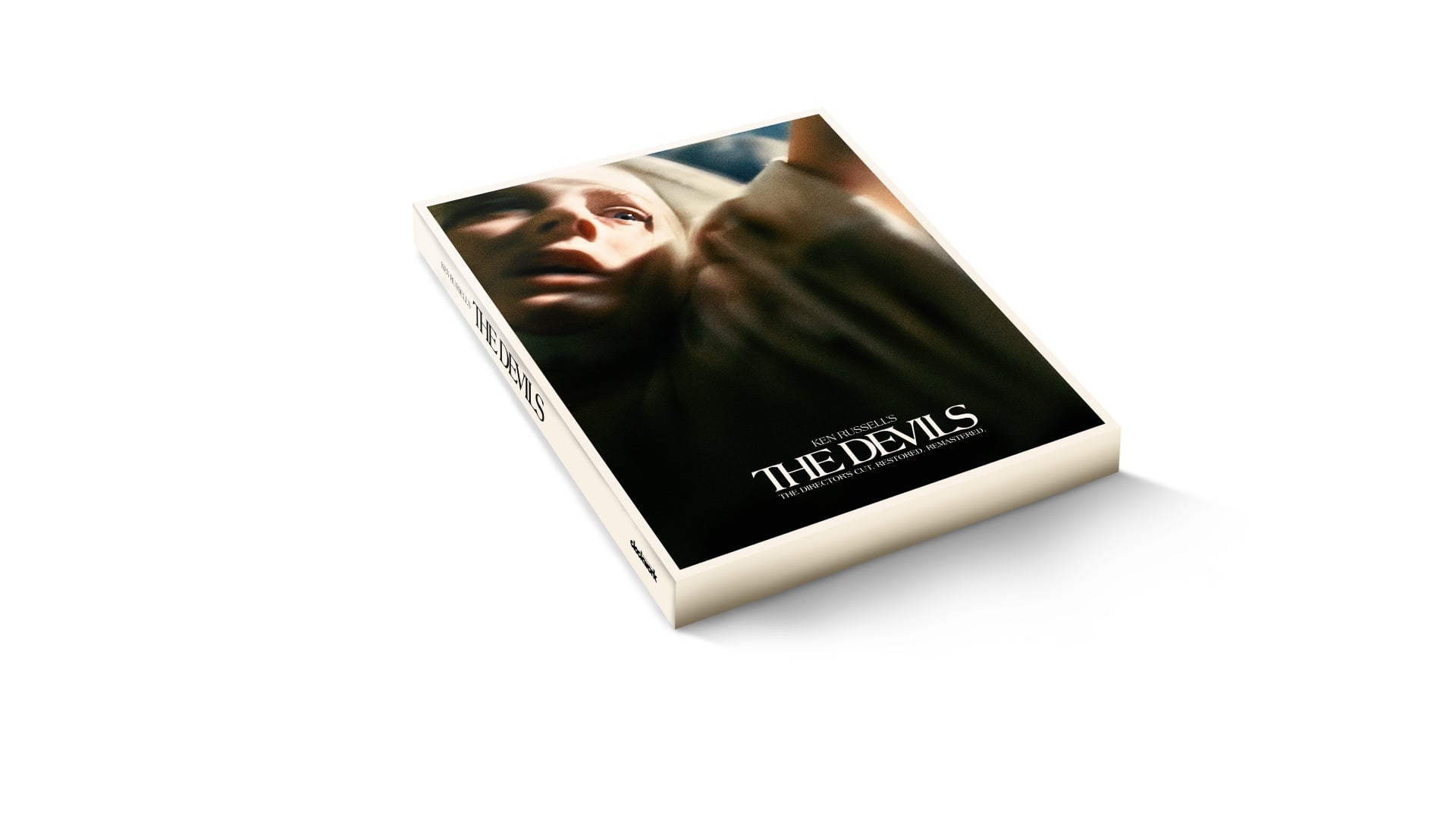
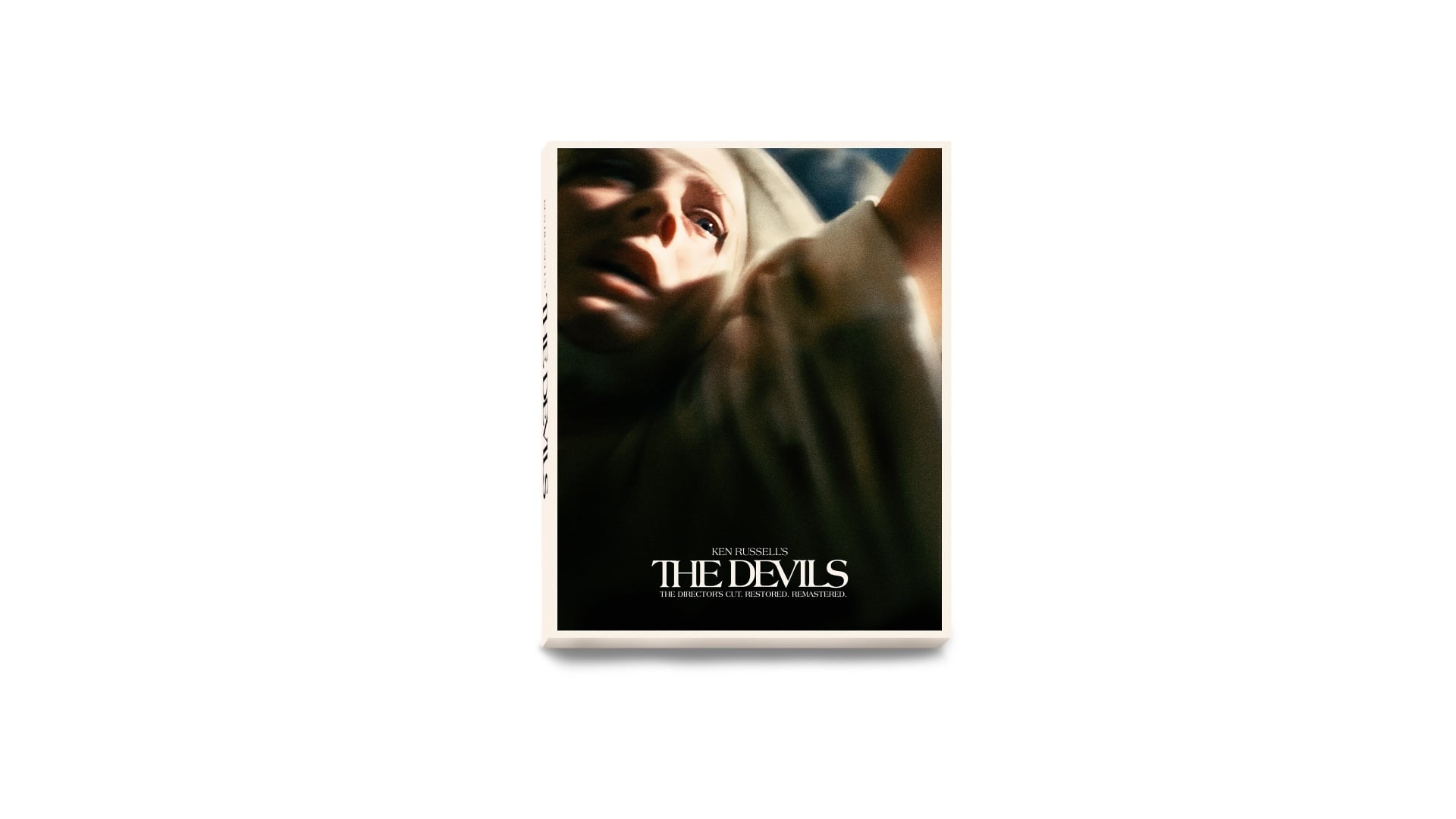
Price matters. The Standard 4K Ultra HD Blu-ray is set at $37 (€34). The 3-disc Collector’s Edition is listed at $77 (€71). If you value archival context and extras—especially the essays by Mark Kermode and Linda Ruth Williams and the restored shorter versions—the Collector’s Edition is hard to beat. If you just want the film in pristine condition, the Standard Edition covers that base.
At a screening, younger viewers asked why the film felt so frequently attacked
The historical context still matters. In 1971, explicit sex and violence married to anti-clerical commentary provoked censors and politicians. Over fifty years later, that same collision reads differently: as a bold aesthetic choice and a cultural artifact. The Collector’s Edition is a scalpel that teases apart myth and reality—letting you examine what was cut, who decided, and how reputation changes over time.
I’m partial to releases that give you the tools to judge for yourself: the multiple cuts, commentaries, and archival material do exactly that. If you’ve read reviews or watched snippets online, the restoration and extras will help you calibrate opinion.
Warner Bros. Clockwork has curated a release that asks you to readdress your memory of the film, and to choose which version you want on your shelf. Will you keep the definitive director’s cut, or keep the debate alive by owning all three? Which would you pick and why?