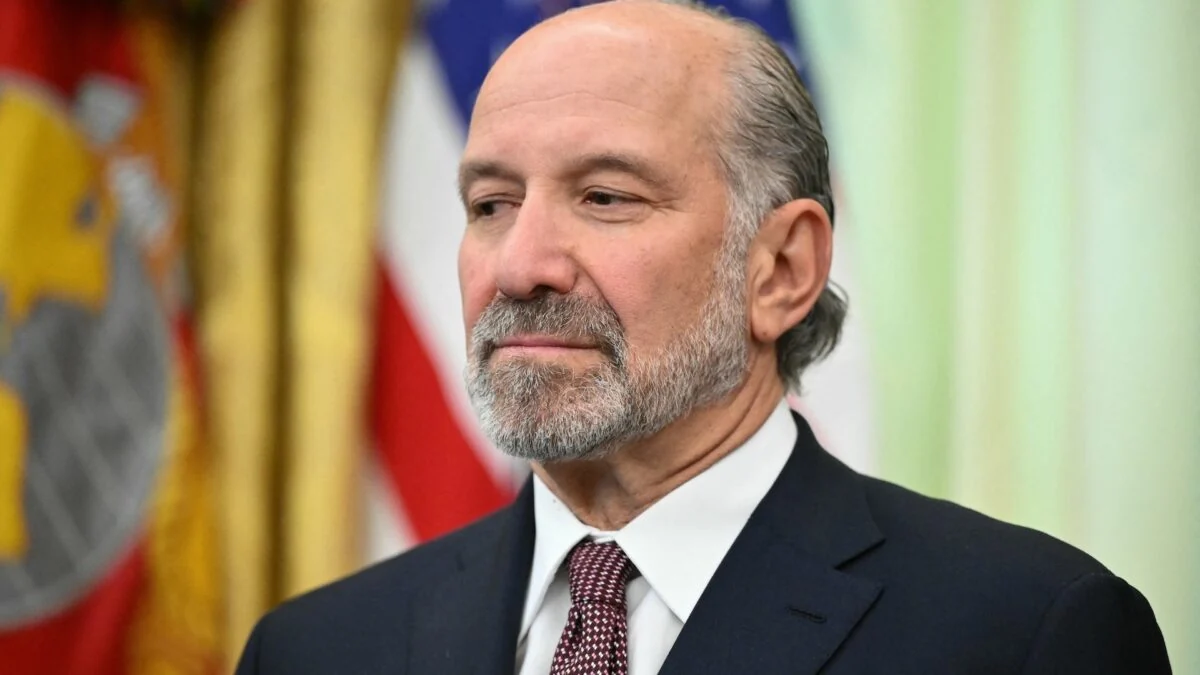
I was reading the new reports when the image of that Situation Room snapped into focus: a Treasury secretary standing up to the Commerce chief, a room thrumming with anger. You can feel the sentence of consequence forming—chips, a suspected spy, and a company in Singapore moving billions of hardware across borders. The simple question hanging in the air was: who will pull the brake?
I’m going to walk you through what the reporting actually shows and what it means for you, for national security, and for the chip market. This is less about gossip and more about who controls access to the raw material of AI.
A classified memo landed on Lutnick’s desk before Trump’s trip.
That memo—reported by Axios and The New York Times—carried two explosive notes: one, an allegation that Alice Huang, an executive at Singapore-based Megaspeed, may be a Chinese intelligence asset; and two, that she had an affair with Nvidia CEO Jensen Huang. The memo was circulated ahead of President Trump’s May trip to China and made its way into the executive chain.
The reporting says Lutnick saw a Rubio-authored classified memo alleging spy ties and the affair before travel plans proceeded. Axios and the Times trace this document into the Situation Room debate that followed. The meeting was a pressure cooker.
Why is Howard Lutnick delaying chip export restrictions?
If you strip it down, Lutnick’s hesitation—per reporting—stems from three pressures: a fear of sparking a trade war with China, a Commerce Department posture that has eased enforcement this year, and a preference for building “options” rather than immediate bans. Treasury Secretary Scott Bessent reportedly demanded Megaspeed be added to the Commerce Department’s entity list; Lutnick demurred, saying he needed to develop options and come back.
That pause mattered. The entity list is one of the few levers that can immediately choke off access to sensitive U.S. tech. Whoever holds it can either slam the door or prop it open.
Treasury Secretary Scott Bessent confronted the Commerce chief in the Situation Room.
Eyewitnesses to the reporting say the clash included Defense Secretary Pete Hegseth, U.S. Trade Representative Jamieson Greer, and Secretary of State Marco Rubio—officials who wanted faster, firmer action. Trump reportedly authorized a crackdown, even phoning Elon Musk before deciding. Yet Axios says Lutnick pushed back, and other officials left the room frustrated.
According to reporting, officials on Bessent’s side argued Megaspeed had bought about $4 billion (€3.8 billion) worth of Nvidia chips in recent years and diverted some to entities barred from receiving them. The Commerce Department originally opened its investigation into Megaspeed under the Biden administration in 2024, but enforcement has softened under the current administration.
Lutnick has become a speed bump on a highway of exports.
What is Megaspeed and is it linked to China?
Megaspeed is a Singapore-based buyer of advanced Nvidia accelerators. Public reporting claims the company purchased roughly $4 billion (€3.8 billion) in recent years and that some of that hardware ended up with sanctioned customers. Alice Huang is named as an executive; Rubio’s memo reportedly flags her as a potential intelligence risk. The company’s purchases and distribution channels are the subject of both Commerce Department review and, per Trump, an FBI probe.
The Commerce Department has scaled back entity-list actions this year.
That is visible in policy and in personnel choices: the department has been less aggressive with China as trade relations warmed under this administration. Axios reports Bessent exploded at Lutnick for not adding Megaspeed to the entity list; Lutnick’s answer, per reporting, was to study options rather than impose an immediate ban. Trump later told Lutnick “let’s get it done,” yet officials expect further delay.
There are denials, too. The Trump team has publicly rejected reports of a dramatic confrontation between Bessent and Lutnick. But denials in this case collide with a string of facts: Megaspeed’s large purchases, Rubio’s memo, and a White House meeting that included national security figures.
Will Trump force Lutnick to act?
Short answer: uncertain. Axios reports Trump authorized a crackdown and even called Elon Musk; he has said the FBI is investigating. But Trump has reportedly missed prior chances—three separate moments in the last year when Nvidia chips might have been diverted to Chinese sources and no decisive action followed. If Trump’s instruction is followed by a formal entity-list placement, it would be immediate and consequential. If history repeats, delays will persist.
You should be watching two threads: the Commerce Department’s next public step on Megaspeed and the FBI’s investigative timeline. These decisions will shape AI supply chains, investor bets in Nvidia, and diplomatic ripples with Beijing.

Whatever comes next will pivot markets and trust; the real question is whether policy will catch up before supply chains reroute—who blinks first?