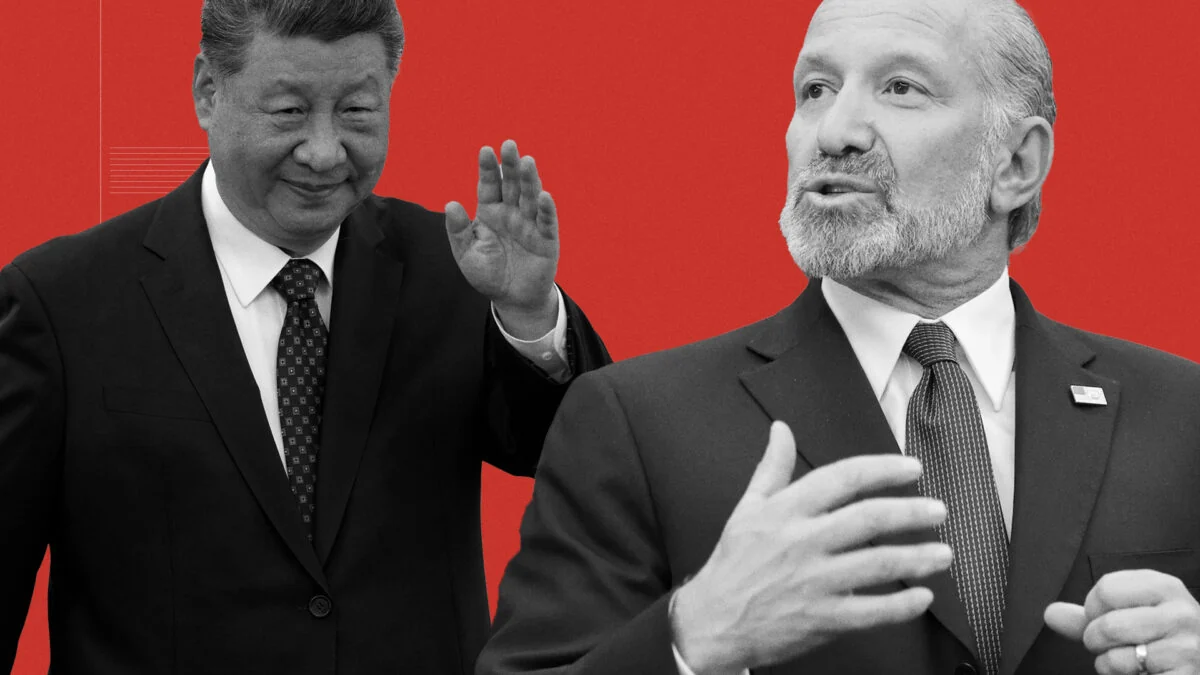
Cold open: I watched the call sheet scroll across my phone—names, servers, and a single, ugly headline: Nvidia’s CEO had resigned amid a spy scandal. Within hours, Chinese AI teams were racing to book compute as if the lights might go out. You can feel the rush: a market built on one supplier suddenly testing its seams.
In a handful of data centers in Singapore, engineers are pausing deployments to check capacity
You’d be forgiven for thinking the story is only about a resignation. I’ve watched this industry long enough to know personnel scandals flip quickly into strategic panic. Nvidia has been the pillar under much of the AI stack, and when that pillar shakes, companies scramble to keep their models running.
Now, Chinese firms are reportedly calling cloud providers abroad to reserve Nvidia-powered racks. Reuters and The New York Times cite unnamed sources saying teams are pressing every available channel to secure access to Blackwell-class chips before U.S. policy makers clamp down.
The situation feels like a cracked dam: small leaks that risk turning into a torrent if policymakers move fast. You can see why firms are hoarding compute the way traders hoard grain before a storm.
In a Singapore office once run by a quietly ambitious cloud executive, allegations raised alarms
Alice Huang, named in reporting as the woman linked to Nvidia’s former CEO, used to work at Megaspeed, a Singapore-based cloud company. U.S. officials have suspected Megaspeed of helping route advanced chips toward Chinese customers; Megaspeed denies wrongdoing, and Beijing denies Huang was an intelligence asset.
This is not just gossip. Axios and the New York Times reported internal U.S. debates about whether Megaspeed should be blacklisted. According to Axios, Treasury Secretary Scott Bessent confronted Commerce Secretary Howard Lutnick. Lutnick reportedly warned that aggressive action might spark a trade fight with China; the Commerce Department has denied the confrontation occurred.
In conversations inside the West Wing and agencies, the tone about chip controls has shifted
You need to know how policy moves from levers to rules. The Commerce Department had paused an inquiry into Megaspeed after a call from Nvidia’s general counsel, according to reporting. That inertia drew criticism inside the administration for letting restricted chips slip through back channels.
Now, The Information reports the Department is finalizing a rule that would require local cloud providers in Singapore, Malaysia, Thailand, Brazil, Indonesia, Norway, and South Africa to get U.S. licenses before receiving Nvidia Blackwell chips or more advanced models. Providers would also need to report who uses the chips and for what work. U.S.-operated data centers would be exempt if they block remote access for customers in restricted countries like China.
How can Chinese companies access Nvidia chips?
If you’re managing an AI team in Shanghai or Beijing, the short answer is: through third-party cloud providers abroad, local resellers, or indirect pathways that let remote users tap foreign data centers. Reuters reports Chinese firms are already talking to overseas cloud operators to reserve capacity. That reserve buying is a hedge against sudden licensing rules.
In meetings with cloud operators, executives are weighing legal risk against the cost of lost compute
I’ve spoken to people who run international data center fleets; the math is simple. Losing access to Blackwell-class GPUs means longer training times, higher per-model costs, and the risk your competitors beat you to market. Firms would rather pre-book expensive capacity than gamble on policy staying soft.
Nvidia lobbied against blocking remote access, arguing it could spur China to accelerate domestic chipmaking and worsen the strategic picture. That argument carries weight with companies that make money selling compute; it also tensions with national security voices that want stricter controls.
Will the U.S. restrict Nvidia exports to China?
Policy signals are shifting. After criticism for not doing enough, Commerce appears to be tightening the remote-access loophole. If the new rule lands as reported, it won’t be a simple export ban—more a choke point that forces transparency and licensing. For you, that means the window to book overseas capacity might close quickly.
In the operations rooms of AI startups, teams are updating runbooks and contingency plans
You should assume the rules will tighten, and plan for alternatives. That includes re-allocating budgets to guaranteed cloud reservations, auditing what workloads truly need Blackwell-level hardware, and testing model efficiency gains that reduce raw compute demand.
There are technical hedges—optimizing pipelines, quantizing models, or shifting to less restricted accelerators—but none are free, and none replace the raw performance advantage of Nvidia’s top chips. Companies that don’t prepare risk falling behind when compute becomes scarce.
What does Jensen Huang’s resignation mean for the AI supply chain?
It is the proximate cause of the panic, but not the only one. Huang’s departure exposed ties and vulnerabilities that regulators had been watching for months. It compressed concerns into days, turning policy debates into immediate business decisions. You, as a decision-maker, have to treat this like a fast-moving geopolitical supply shock—because that’s what it is.

In the weeks after new rules arrive, auditors and legal teams will be the busiest people in many firms
If the Commerce Department’s license-and-report rule becomes final, expect urgent compliance work. Vendors in the listed countries would need U.S. licenses to receive advanced Nvidia chips, and they’d have to say who will touch those chips and for what. That changes commercial conversations overnight, and it reshuffles risk between cloud providers and their customers.
For you, that means legal fees, audit trails, and new procurement plays. It also means the map of international compute availability will be redrawn faster than company roadmaps can adapt.
I’ve told you what the signals are and where pressure is building. Now ask yourself: if compute becomes a scarce and regulated commodity, who will own the models and who will be left renting time on someone else’s machines?