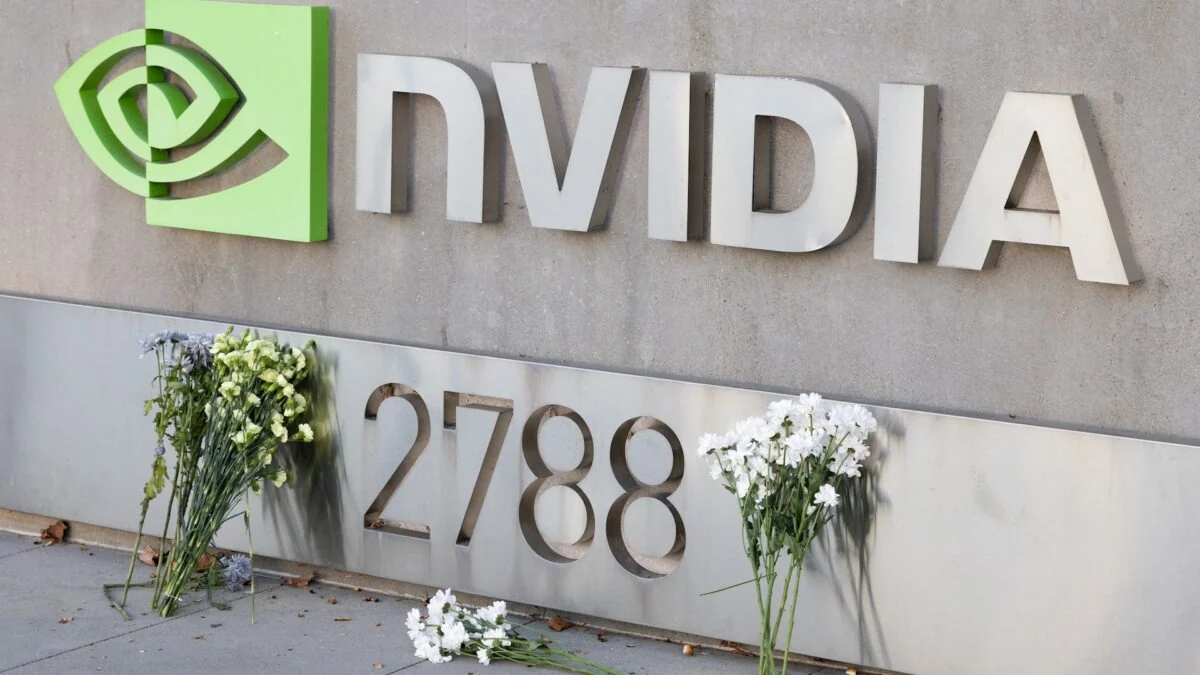
At 9:32 a.m. I watched Nvidia’s ticker freeze as the resignation headline landed. You could feel the market and the town inhale at once. What had been unthinkable — Jensen Huang out — arrived like a weathered ship hitting unexpected shoals.
I’ll say this plainly: you’ve watched Colette Kress sell a story for years. Now you’re watching her inherit the mess that story hid.
Onstage in San Jose, Huang dominated the room
He spoke, pointed, wore exotic leather jackets, and the crowd followed. That authority built Nvidia into the company that put AI compute on the map and made GPUs the linchpin of an entire industry.
I don’t waste time with myth-making: Huang’s persona helped create a narrative investors bought into. Nvidia became a lighthouse for AI, guiding money and talent toward machine learning workloads and turning cloud players into major customers.
Who is Colette Kress?
She’s the longtime CFO who joined Nvidia in 2013 after stints at Microsoft and Cisco, reportedly hired directly by Huang. Over the past decade she stood beside him onstage, delivering quarter after quarter of optimistic guidance as revenue ballooned from about $1 billion (≈ €920 million) in late 2013 to roughly $57 billion (≈ €52 billion) in the most recent comparable period.
As CFO she earned investor trust by turning numbers into a narrative of growth and capital returns. That confidence is partly why the board tapped her as interim CEO: she knows the books, the customer roster and how to speak to Wall Street without improvising.
In the boardroom, the numbers tell a sharper story
Minutes after Huang’s resignation, Nvidia shares plunged 14%, erasing around $601 billion (≈ €553 billion) in market value. That drop is not just a headline — it’s the cold arithmetic of lost confidence.
Now imagine your largest customers asking whether their AI roadmaps are safe. The Commerce Department could move to close the “remote access window” that lets Chinese firms tap advanced Nvidia compute through third-party clouds. That would hit cloud providers — AWS, Microsoft Azure, Google Cloud — and enterprise customers hard.
Can Nvidia survive without Jensen Huang?
Yes, but survival isn’t the same as sailing smoothly. The company’s tech stack, software ecosystem (CUDA, DGX, partnerships with Microsoft and OpenAI/ChatGPT ecosystems), and large customer base are strengths. At the same time, legal, regulatory, and reputational damage can erode those advantages quickly.
Kress will need to steady investor messaging, reassure hyperscalers and OEM partners such as Supermicro, and cooperate with probes from the DOJ and Commerce Department. The board’s promise to vet internal and external CEO candidates buys time, but time itself can become a liability if uncertainty drags on.

In Washington, the first reaction was procedural and public
House leaders demanded briefings. Hakeem Jeffries publicly asked for a classified update and Republican members called for hearings. Huang reportedly agreed to appear before Congress before Thanksgiving, which will bring the story into full daylight.
The DOJ is reportedly probing potential antitrust issues and examining ties to companies connected to Alice Huang (the suspected spy tied to reported affairs) — Megaspeed and Supermicro are named in early reports. That federal attention can produce subpoenas, document searches, and more public testimony that will shape perceptions for months.
What will Colette Kress need to do first?
You want a clear list, and I’ll give one: secure active ongoing contracts with hyperscalers (AWS, Azure, Google Cloud), order an independent audit of external relationships tied to national security questions, cooperate with DOJ and Commerce investigators, and stabilize investor expectations with concrete capital-allocation plans.
She’ll have to be surgical about communications: candor to Congress and regulators, calm to customers, and discipline with public statements. Harvey Jones, the new board chair, pledged confidence — now Kress must convert that pledge into operational steadiness.
In the markets and at dinner tables, reputations are fragile
One afternoon of headlines can topple long-standing assumptions about a company. The personal behavior at the center of this story folded onto corporate risk, leaving the company vulnerable in ways that cold financial models seldom predict.
Investors, customers, and regulators will test Nvidia’s governance, compliance, and export controls. If you follow the thread — from earnings calls to onstage Q&As to private relationships with suppliers — the vulnerabilities are painfully visible, and repairing them will take more than reassuring slides.
Nvidia’s leadership must rebuild trust within the company and with the outside world while facing hard questions from Congress, the DOJ, and global customers. It’s a task that will reveal what was structural and what was personal in Nvidia’s ascent — and whether the business can resume its momentum without its founder. Who exactly will hold the company to account, and will that accountability restore confidence or fracture it further?