
The mob swung, my healer typed “OOM” and the party chat lit up like a bad omen. I stepped forward, shield up, and felt the pull of every eyeball in the room land on me. That single moment taught me tanking is less about brute force and more about being the person everyone else bets their lives on.
Back to basics: What is threat?
I’ve stood in the doorway of a boss room and watched a careless healer pull the whole group with a single overheal.
You can think of threat as the invisible scoreboard that decides who an NPC wants to kill. When an enemy turns toward you it means you scored enough threat to gain aggro. Keep threat high and predictable and your party can breathe.
What is threat?
Threat is a hidden value generated by damage, healing, and certain buffs or on-use items. When your number beats the others’ by the required margin, you own the mob’s attention. Treat it like a lighthouse in a storm — it doesn’t stop the waves, but it tells ships where to steer.
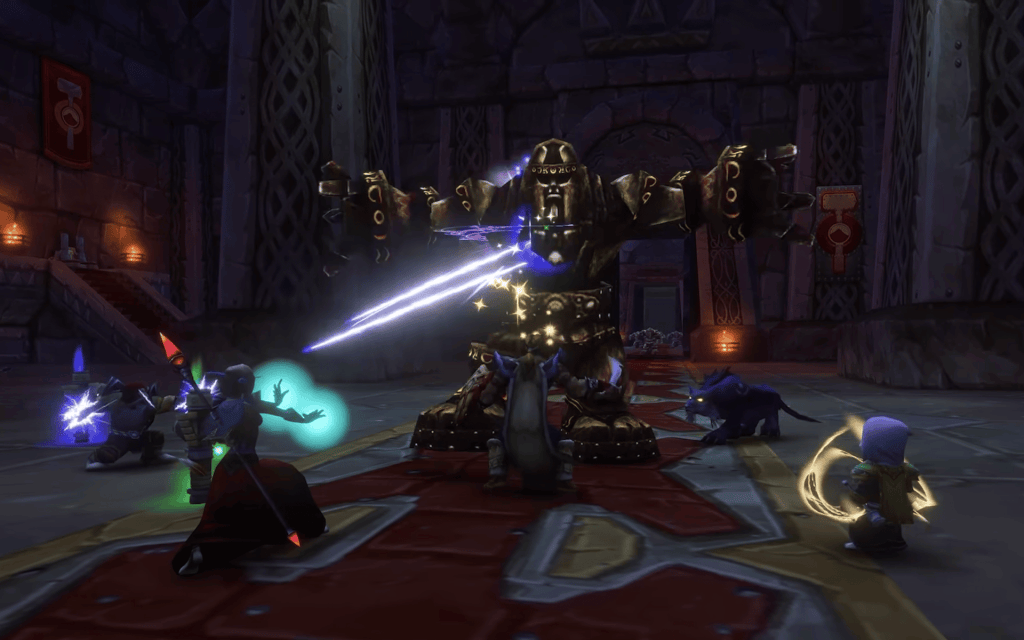
How do you generate Threat?
I’ve tested pulls where I intentionally delayed my opener to teach a DPS about threat — the numbers don’t lie.
- Damage: You gain Threat when you hit an enemy (roughly 1 Threat per 1 damage).
- Healing: Heals generate Threat (roughly 1 Threat per 2 HP healed), often divided by how many hostile observers there are.
- On-use effects and buffs: These can add chunks of Threat, usually subject to split rules when multiple enemies watch.
An NPC will switch targets when a new player uses a Taunt, or when someone suddenly exceeds the current target by a set Threat margin (10% or 30%, depending on range).
What are Taunts?
I’ve watched a tank pull attention back with a perfectly timed shout and saved a wipe.
Taunts bypass raw Threat and force an enemy to attack you temporarily. Use them early in a pull, during overheals, or whenever a damage spike threatens to hand aggro to a DPS. Think of taunts like a fishing hook that yanks attention back — they’re short, decisive, and always useful when someone steals your spotlight.
Must-have stats for your Tank
On my gear runs I often see players trade survivability for flashy numbers and pay for it with revives.
Tanks are built to absorb punishment and control the fight. Prioritize these attributes when shopping dungeons, crafting via Professions, or socketing upgrades:
| Primary attribute | What is it |
|---|---|
| Stamina | 1 point gives you +10 Maximum Health |
| Strength | 1 point gives you +2 Attack Power, where every 14 Attack Power adds 1 damage per second20 points give 1 Block Value, which helps shield users |
| Agility | 1 point gives you 2 Armor, which can cut physical damage20 points give you 1% Dodge and 1% Critical Strike |
| Defense | What is it |
|---|---|
| Dodge | Get a chance to avoid getting hit by attacks and abilities |
| Defense | 25 points means 1% less chance to be hit by a critical |
| Parry | This speeds up your next swing by up to 40% |
| Offense | What is it |
|---|---|
| Hit Chance | You miss fewer attacks and fail fewer Taunts, where 1% Hit Chance means 1% added to melee, ranged, and spell hit |
Some classes will want different secondary stats — know your spec. A Protection Warrior values Armor and Block differently than a Bear Druid values Dodge and Stamina.
Tanking techniques you should always do
At the last raid I led, a single sloppy pull cost us a boss timer and a few oaths of profanity.
The headline: pull clean, control the room, and keep your team out of trouble. Here’s how to make that repeatable:
Gauge the pull
Don’t rush every pack. Move mobs to a safe spot, check sightlines, and avoid pulling through choke points where ranged DPS can miss or healers can get clipped.
Mark your kill order
Place a skull on the caster, a cross on the secondary threat. Your marks tell the raid where you’ll prioritize Threat so they can line up their damage without wrestling aggro.
Turn mobs away from the party
When you pull, face enemies away from squishies. Keep your movement steady so the pack trails you and your Taunts stay relevant.
One defensive ability at a time
Save cooldowns for moments that matter. Stacking every cooldown at once wastes potential when you need staggered mitigation later in the fight.
Crowd control sets the rhythm
Use CC windows to flatten spikes. If a Mage sheeped one foe, burn the uncontrolled ones first — that keeps healing stable and threat predictable.
Make sure you don’t pull mobs to your healer
Track your healer’s mana and positioning. If they’re out of power, pause an extra beat and give them time; dead healers make for short runs.
Teach the DPS where to attack
Call targets and insist on positioning. A DPS behind a mob is a DPS that doesn’t steal aggro, which keeps your Threat math simple.
Read what’s behind the latest news in gaming (with a bit of snark) by subscribing to the Moyens I/O Checkpoint newsletter!
Get into tanking with these Classes
I’ve learned which classes carry a fight and which will ask the party to babysit them.
Tanking in WoW: Forever sits with the classes that can soak damage, self-sustain, or reliably force aggro.
Which classes can tank in WoW Forever?
Warriors, Paladins, and Druids are the classic triad you’ll find on most dungeon queues. Each has a different flavor of control, survivability, and utility.
Warriors rely on tanking as their lifeblood
Warriors live on Rage earned by dealing and receiving damage. Their Protection spec has strong single-target and multi-target Threat tools: Shield Slam, Sunder Armor, Taunt, Mocking Blow, and Challenging Shout. They also bring interrupts and debuffs that shape a fight.
Paladins self-heal and buff the party
Paladins use Mana and Righteous Fury to increase Threat. They have single-target taunts and AOE options like Consecration, plus party-wide buffers like Devotion Aura and Blessing of Kings.
Druids offer more utility and don’t need shields
Bear Druids bring mobility, Rage-based combos, and taunts such as Challenging Roar and Growl. They also carry instant HoTs and AOE healing tools the team can lean on in a pinch.
Some add-ons to try
I set up my UI with nameplates and meters before I ever learned to read threat numbers by feel.
If you want clearer threat visuals and better raid feedback, these community staples on CurseForge and GitHub make tanking less guesswork and more craft:
- Plater Nameplates by Terciob — customizable nameplates colored by aggro and threat status.
- Threat Plates by Suicidal_Katt — advanced threat-based color coding and class icons.
- Details! Damage Meter by Terciob — flexible windows for damage, debuff uptimes, and cooldown timelines.
So you can learn the numbers, master the cooldowns, and shape how a fight plays out — but which piece of tanking do you think separates a good tank from a party legend?