
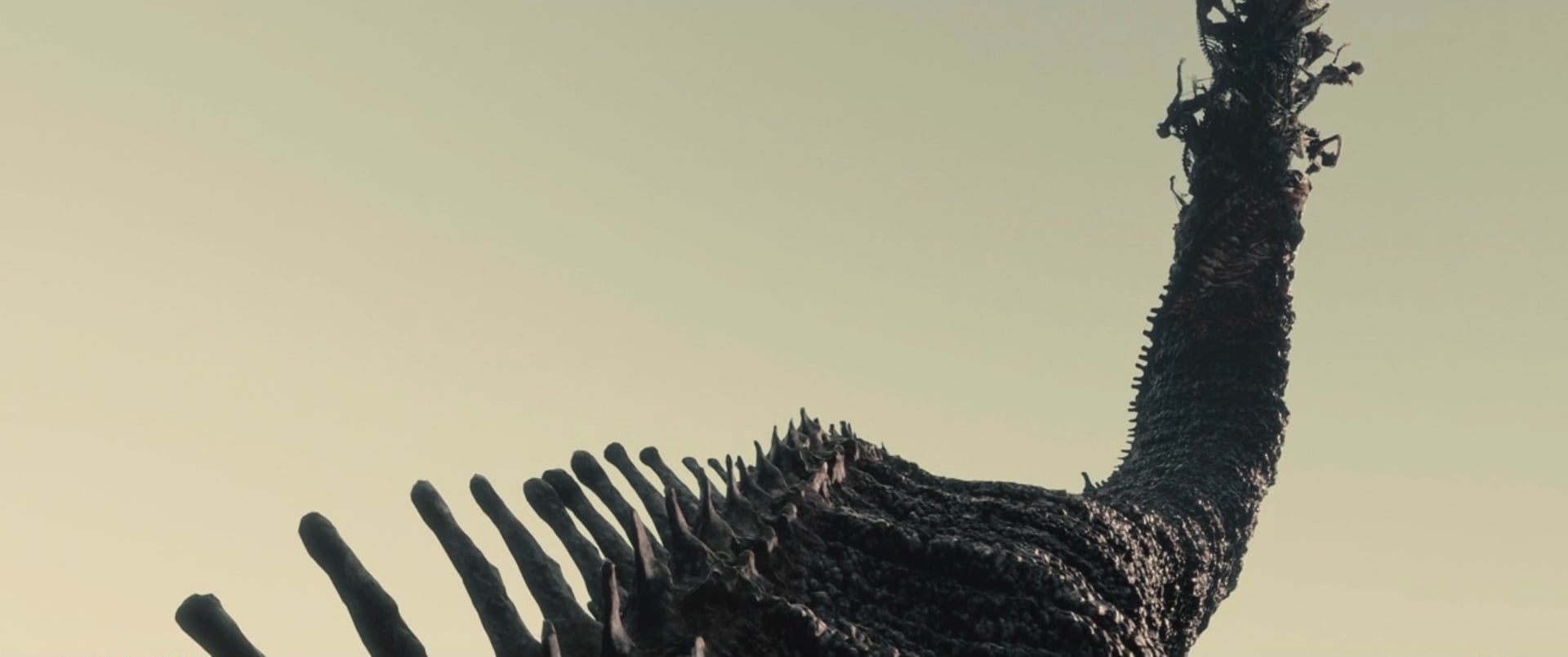
I still wake to a single frame from Shin Godzilla: the camera panning up a frozen, twitching tail and a silence that feels like a verdict. You know the moment—no music, just the taste of what almost happened. It landed like a threat you can’t unsee.
On a Tokyo street you pass every day: the final shot that made Godzilla not just monstrous but possible
I’m going to be blunt: Shin Godzilla changed Godzilla for me. You’ve seen dozens of iterations—rampaging titans, noble defenders, allegories of nuclear shame—but Hideaki Anno and Shinji Higuchi handed us something surgically worse: an animal that can become other things. I still feel the cold after Operation Yashiori’s success, because the film doesn’t give you comfort—it only gives you the memory of how narrow the escape was.

On a government floor full of fluorescent lights: how bureaucracy becomes horror in plain clothes
You remember the meetings: committees arguing in circles while a thing ate a coastline. I watch those sequences and I think of emergency teams with slide rules and PowerPoint as if they’re characters in a nightmare. Anno and Higuchi weaponize that mundanity—Godzilla’s threat is amplified by our own impotence. The kaiju is not a symbol of malice as much as an indifferent force reacting to inputs; when we throw missiles, he learns. When he learns, he changes.
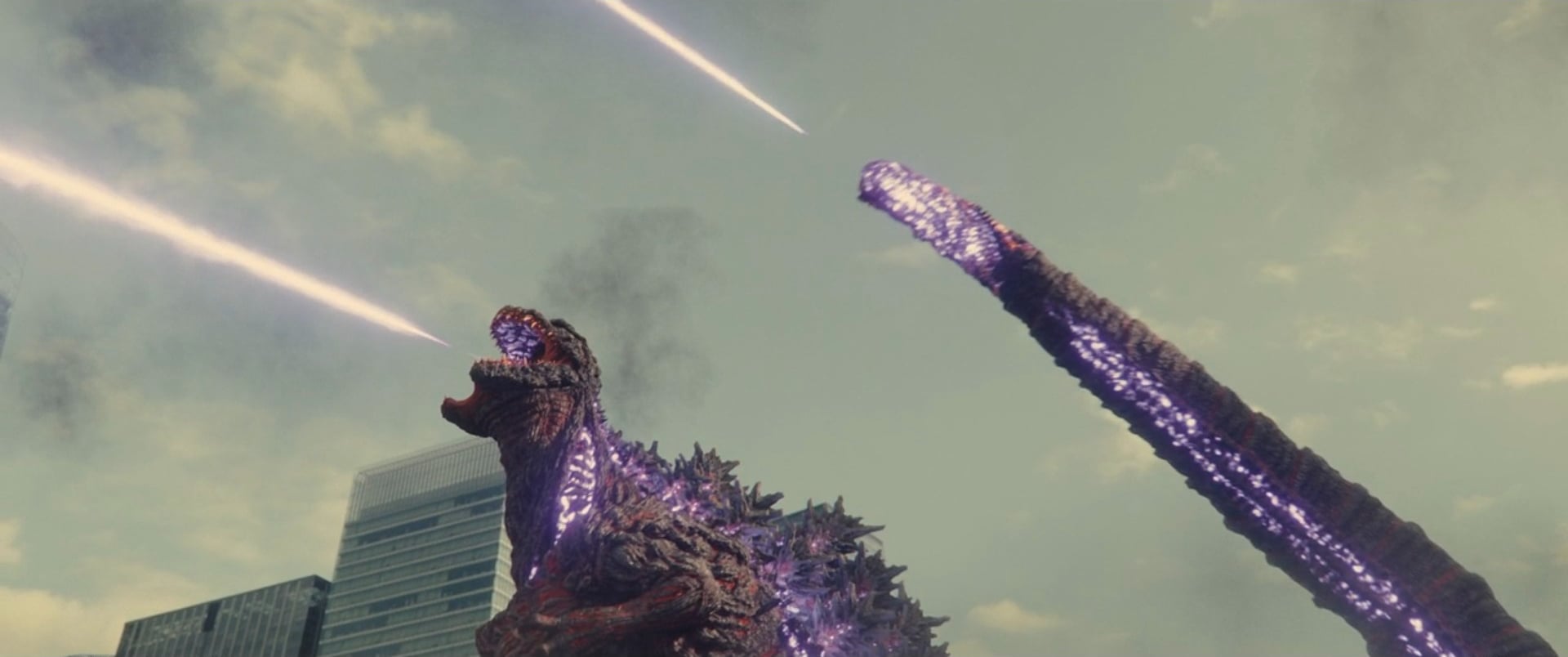
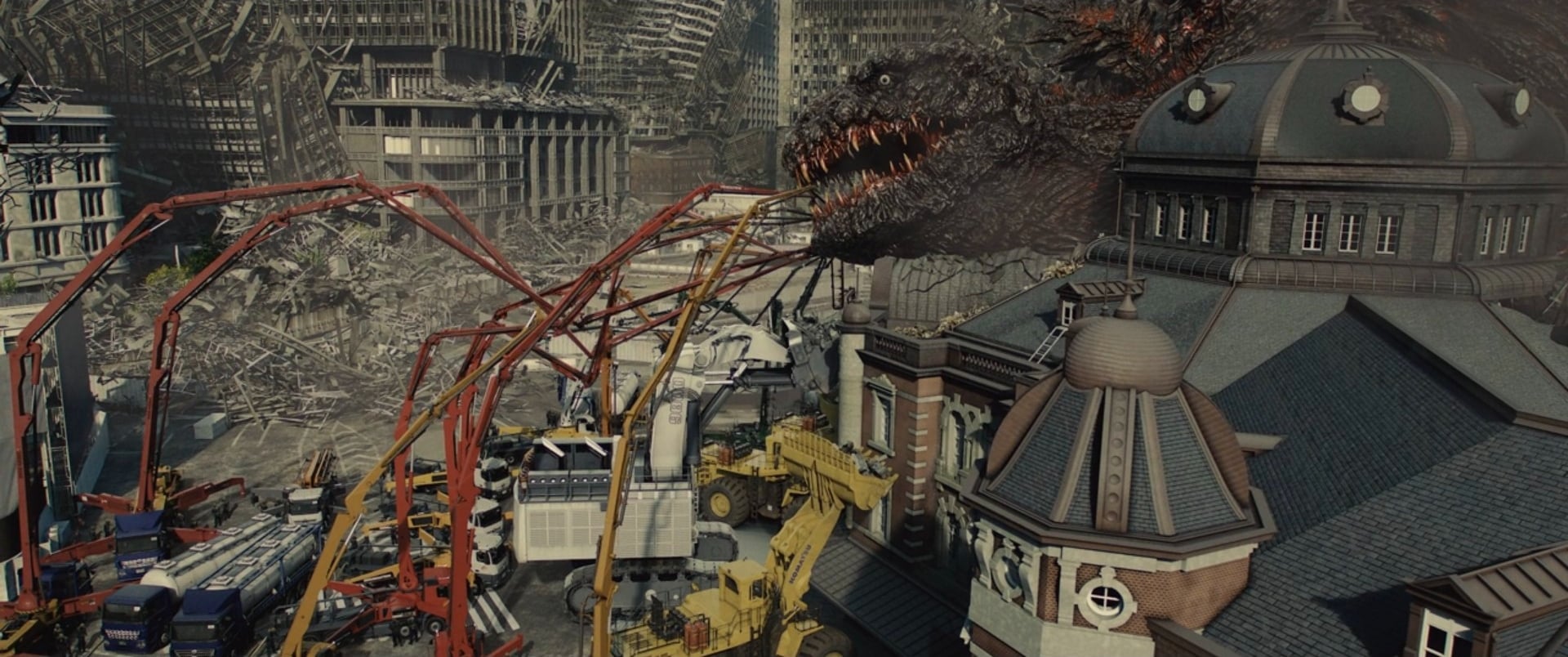
What is Godzilla’s fifth form in Shin Godzilla?
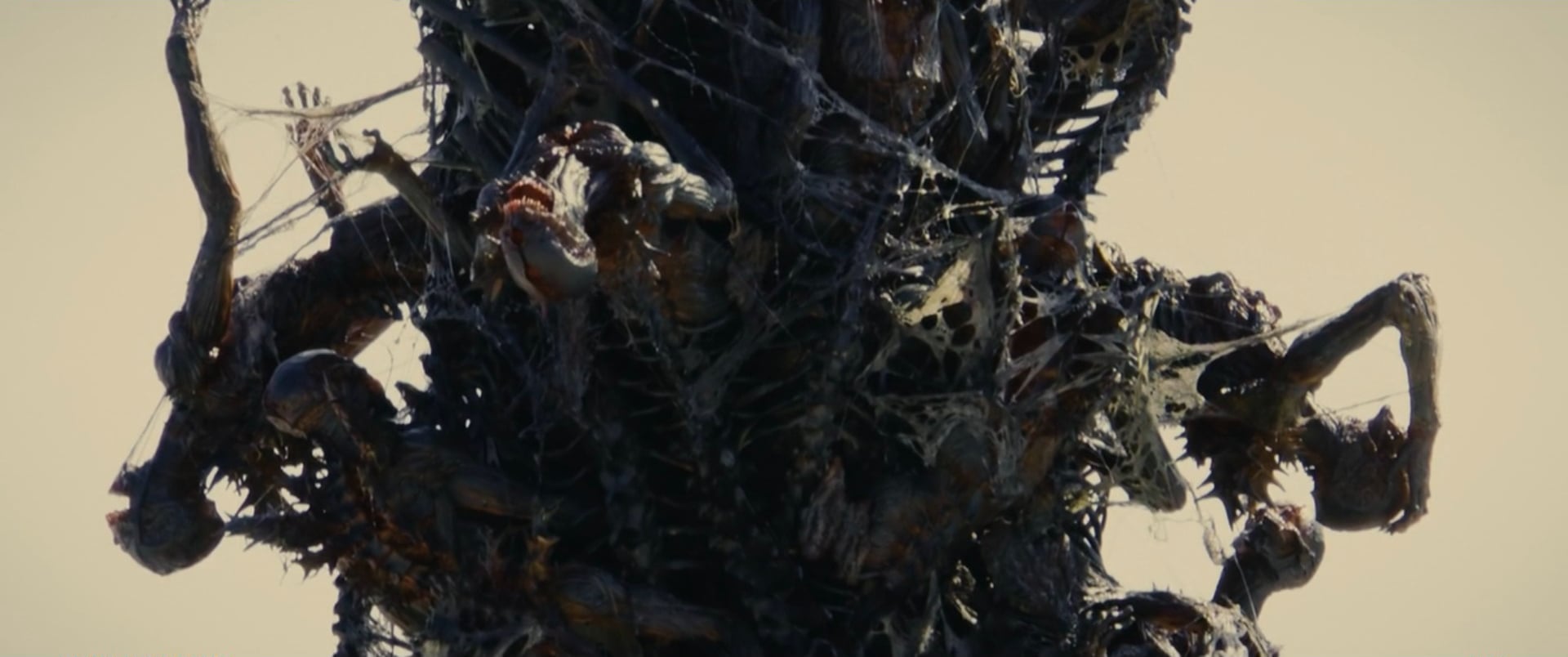
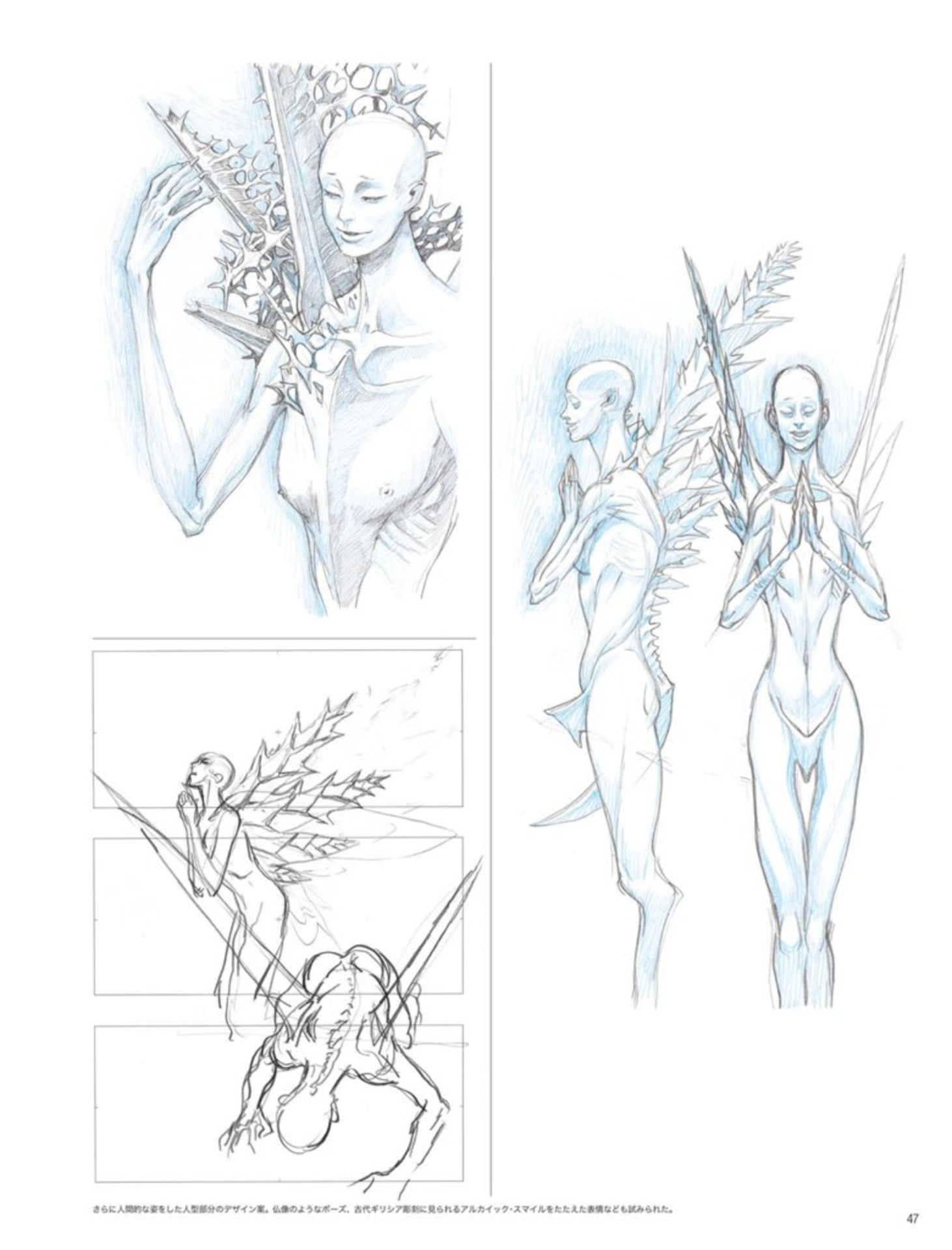
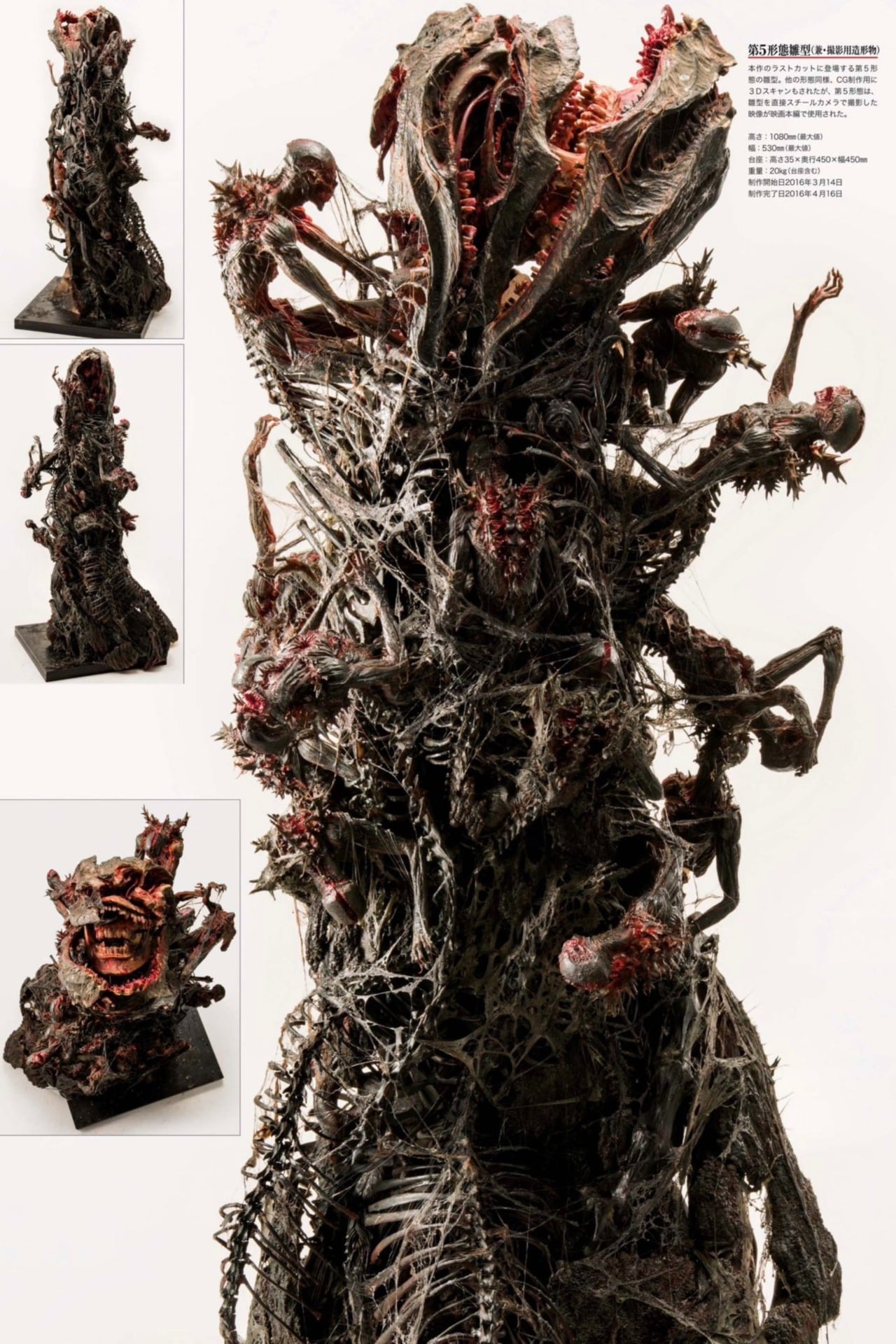
In the film’s midpoint, scientists reveal a cruel possibility: Gojira reproduces asexually and can evolve into smaller, humanoid offspring. The art book The Art of Shin Godzilla credits Mahiro Maeda for rough sketches and Takayuki Takeya for the eerie final sculpt. Anno imagined the fifth form growing at the tail’s tip—a birth that ends as statue when Operation Yashiori freezes the nascent creatures. For me, that tail is a gallery of aborted lifetimes; it’s an image that rewrites the threat into something contagious and unexpected.
On a bookshelf beside the film’s concept art: how design choices amplify the dread
If you’ve flipped through the art book, the evolution is more unsettling in sketches than on-screen. The initial concept leaned toward angelic forms—beautiful and feminine—before the team hardened them into grotesque, humanoid things. You can trace a line from Mahiro Maeda’s pencil to the final statues designed by Takeya. That shift matters: beautiful things that become weapons feel personal, and personal threats are harder to rationalize.
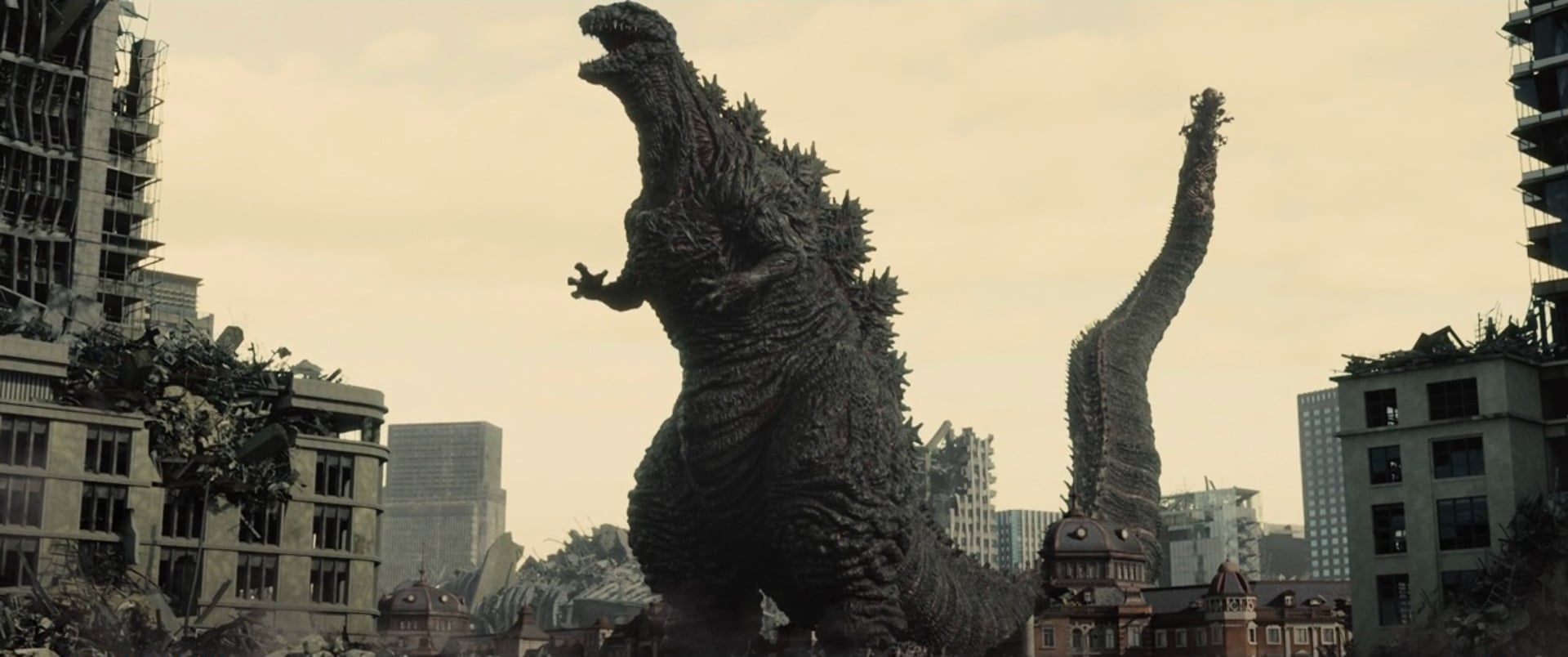
Why is Shin Godzilla’s final shot so terrifying?
The terror doesn’t come from gore or spectacle. It comes from contingency—the sense that humanity’s plan almost failed. Operation Yashiori is a brilliant set-piece: feed Godzilla a cooling agent and let his radioactive blood coagulate. It works on a knife-edge. The silence after, the camera lifting to the tail’s tip, tells you the story that the film mostly avoids: if that plan had failed, the planet could have faced multiplication, not just destruction. That possibility is scarier than a single monster; it is a blueprint for a recurring invasion.
On a soundtrack you hum while reading credits: the song that makes a monster sound human
You can play Shiro Sagisu and Akira Ifukube’s “Who Will Know” and feel the film’s moral friction. The lyrics read like a confession, and the orchestration rolls between grief and accusation. I put the track on when I want to test how much sympathy I can give to a thing that murdered a city. That tension—symphony versus slaughter—keeps the film unpredictable.
If I die in this world
Who will know something of me?
I am lost, no one knows
There’s no trace of my yearning
If I die in this world (but I must carry on)
Who will know something of me? (Nothing worse can befall)
I am lost, no one knows (all my fears, all my tears)
There’s no trace of my yearning (tell my heart there’s a hole)
I wear a void
Not even hope
A downward slope
Is all I see
I wear a void (as long as breath comes from my mouth)
Not even hope (I may yet stand the slightest chance)
A downward slope (a shaft of light is all I need)
Is all I see (to cease the darkness killing me)
On the question of sequels and theory forums: why the not-quite-real ending matters
You’ve seen the message boards—half the fun is the speculation. Rumors of a Toho sequel swirl, and fans spin theories linking scientist Goro Maki to Godzilla’s humanoid sprouts. Those theories miss the point I keep returning to: the final form’s power lies in its ambiguity. It’s a locked diary, a single image that refuses to answer whether Godzilla’s evolution was biological cunning, accident, or a byproduct of human interference.
I’m partial to silence in endings. You and I both know how sequels can explain away menace. Leaving the fifth form as an unanswered what-if keeps the film’s moral and cinematic pressure intact. Shin Godzilla is streaming on HBO Max, and if you haven’t returned to that final frame, try it—watch the city breathe between frames and see what chills you more: the statue or the idea that it almost moved.
If the tail had kept moving, who would we have blamed first—Godzilla or ourselves?