
I was mid-boss fight when it hit me: this wasn’t the Wolverine I’d waited decades for. A brand-new copy of The Legend of Zelda: Ocarina of Time remake and a download code for Grand Theft Auto VI were taunting my backlog, so I forced myself to finish. By the time the credits rolled, I felt more relieved than satisfied.
I’m writing this as someone who grew up buying Wolverine comics, toys, and trading cards, and who cheered when Insomniac Games and PlayStation announced they were making Logan’s solo game. You probably felt that same rush. My colleague Justin Carter at Movies & TV gave the game a positive review, and that nudged me to jump in with faith.
No sprawling city to explore — the first thing I noticed in the opening minutes
Expectation met reality fast: this isn’t a Marvel open-world playground like Spider-Man. Insomniac chose a tighter, more linear path. That decision helps the story feel focused at points, but it also removes the kind of environmental discovery that made their previous work sing.
Does Marvel’s Wolverine have an open world?
Short answer: no. The game moves you from set-piece to set-piece—Japan, Madripoor, Hightown—without a living, breathing city to roam. If you came for sandbox exploration, this will feel thin. If you came for a compact narrative punch, there are moments that land.
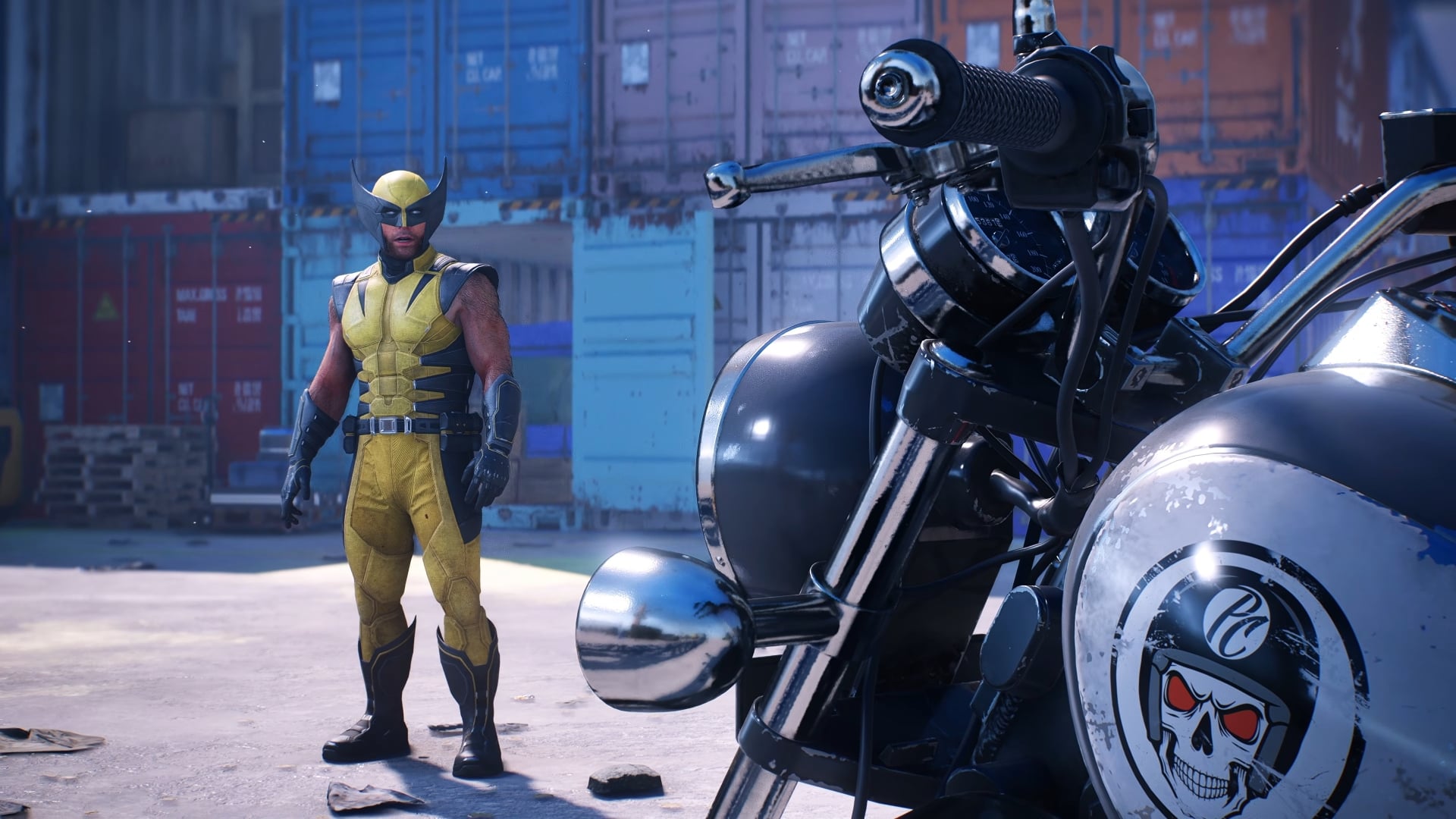
My thumb betrayed me — the fights felt repetitive after a few hours
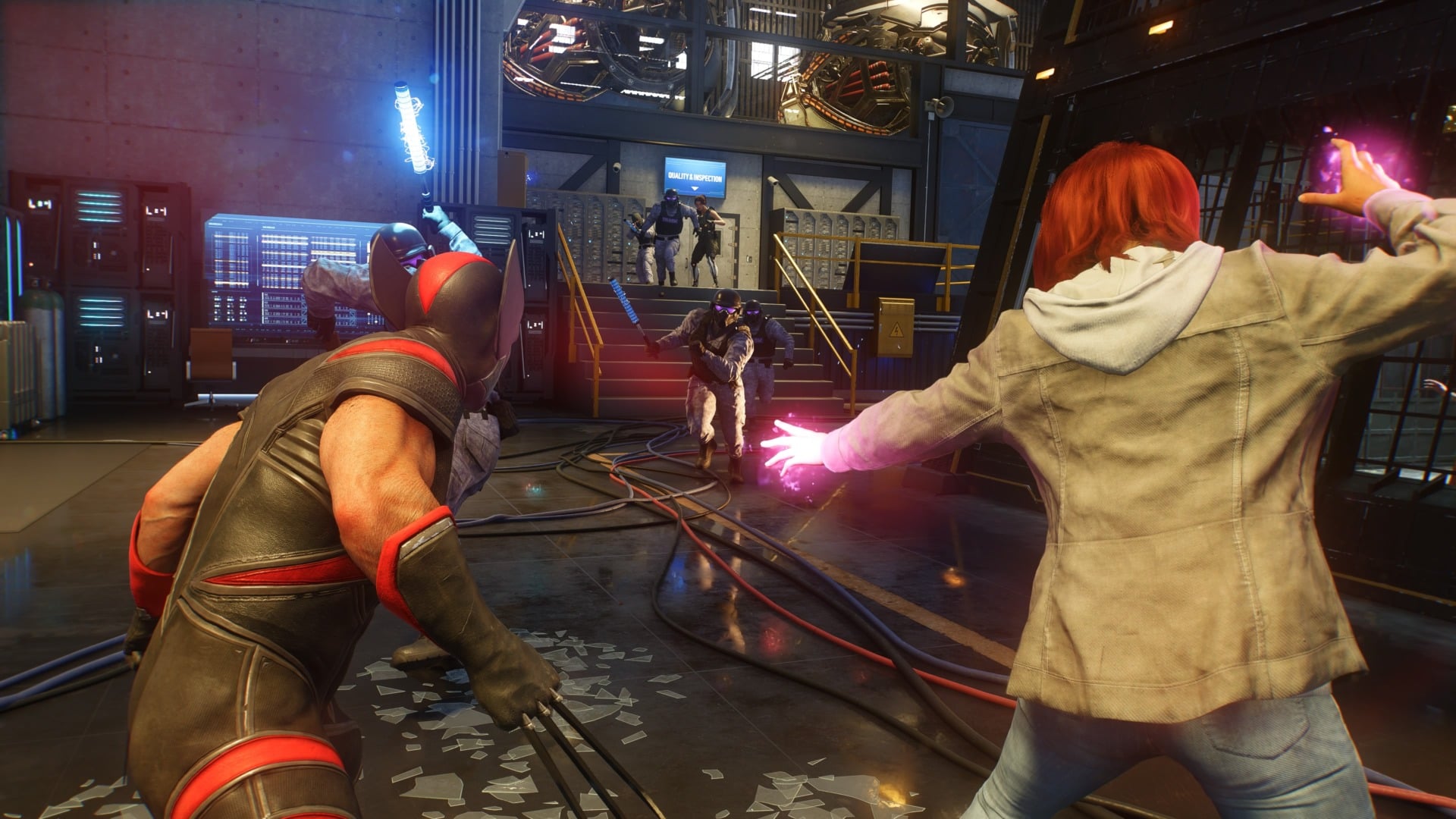
At first, slicing through enemies with Adamantium claws is an absolute thrill. The audio, the gore, and the animation deliver visceral joy. But very soon you realize the combat is largely a loop of aggressive hits and timed dodges that doesn’t evolve enough.
Combat is a one-note barbershop quartet, charming until it grates.
Is Marvel’s Wolverine worth playing?
If your appetite is raw melee, strong performances, and a handful of cinematic high points, yes: it’s worth a playthrough. If you want mechanical variety and a world that surprises you every hour, you may leave halfway. Insomniac’s polish is present—voice acting and visuals often shine—but repetition undermines the shine.
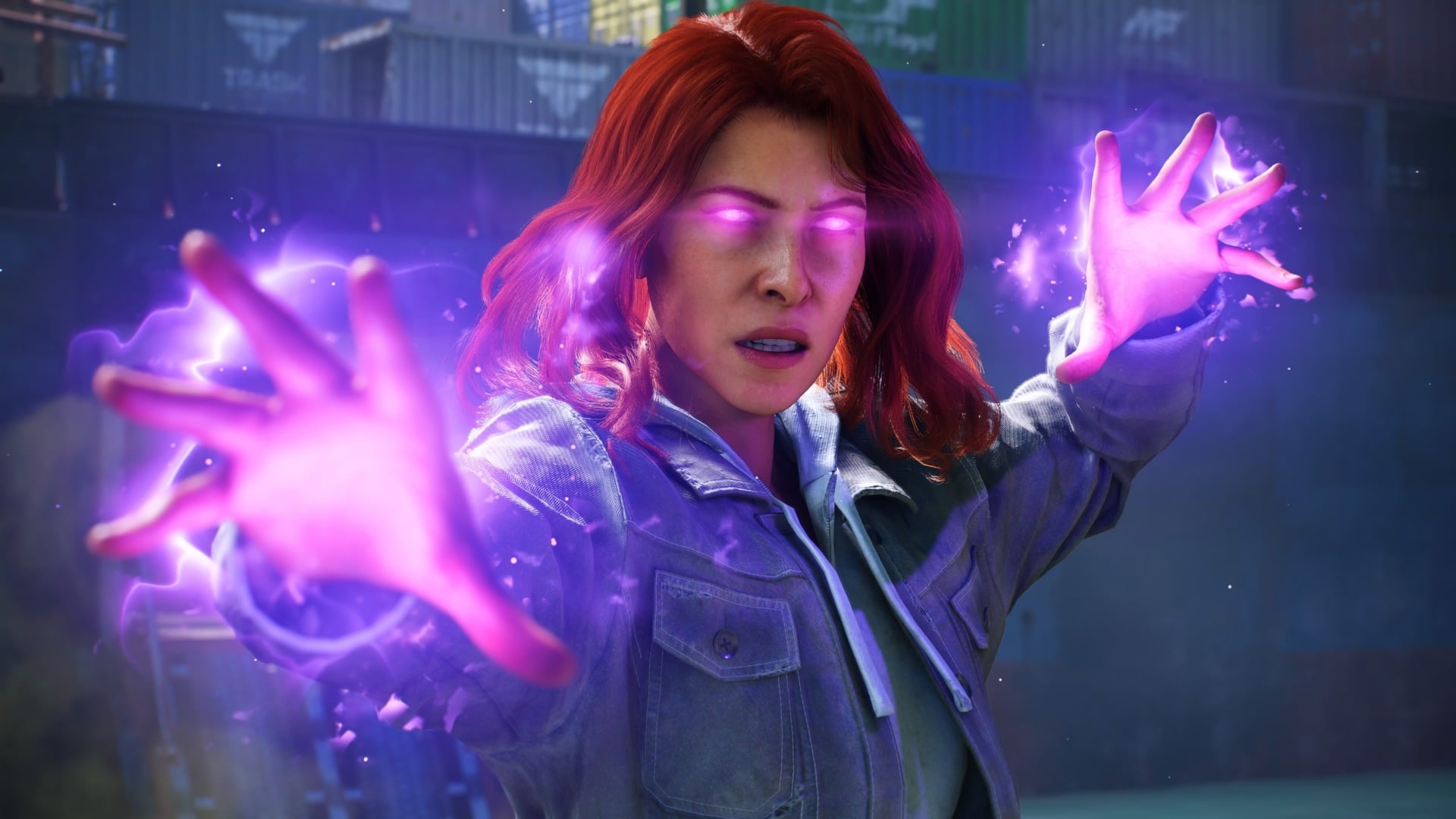
Side quests live in their own lane — my play sessions exposed a fractured emotional core
The game layers a personal past for Logan around the main missions, but those layers often sit off to the side. You have to chase detours to collect intimate moments that explain Logan’s choices. If you skip them, the finale loses a lot of weight.
The narrative works like a slow leak in the tire of what could have been a roaring ride.
There’s a small, affecting love thread with Jean Grey. It’s seeded early but not harvested until very late, and when the reveal arrives it’s powerful—if you stuck around. The problem is that the signals to follow those threads aren’t compelling enough compared with the steady drumbeat of enemies that beg to be stabbed.
Clocking the hours — the practical reality of finishing the game
My playtime landed at about 18 hours spread across several weeks, with travel eating some sessions. That aligns with other reports: a straight run through the main beats will be shorter; doing the side material stretches the total. If you prefer quick, focused campaigns, this fits the bill; if you want a marathon, you can make one.
How long is Marvel’s Wolverine?
Expect roughly 12–20 hours depending on how many side quests you take. My run was 18 hours; a speed run might shave that, while completionists will add time. The pacing makes those side quests feel optional in the moment and essential in hindsight.
So where does that leave us? There is pleasure here—violent catharsis, strong performances, and a few genuinely memorable sequences. There is also waste: repeated enemy types, recycled locales, and a pacing decision that buries emotional payoff behind optional detours. I finished the game because I wanted to know the whole story, not because I was having the best time getting there.
And if Insomniac’s next hero project is coming with a $70 (€65) price tag, are we going to accept games that feel like this one again?