
I watched my base collapse after a single unlucky draw. You feel the match tilt in your chest the moment the enemy plays the right King. That instant told me everything I needed to rank who actually matters in 9 Kings.
You heard a teammate curse after one bad perk — 9 Kings tier list
I’m going to cut to the chase: if you want to climb and stay climbing, you need a shortlist of which Kings carry matches and which only look good on paper. You’ll get my read on each faction’s strengths, where they fail, and the small play patterns that turn a decent deck into a menace. Pay attention to the perks and card synergies—those tiny margins decide tournaments on Steam streamers and Reddit theorycraft threads alike.
Which King is best in 9 Kings?
Short answer: the leaders who demand the least setup are the ones that win most ladder matches. That’s why the S-Tier Kings dominate: they demand small investments and give big returns.
S-Tier
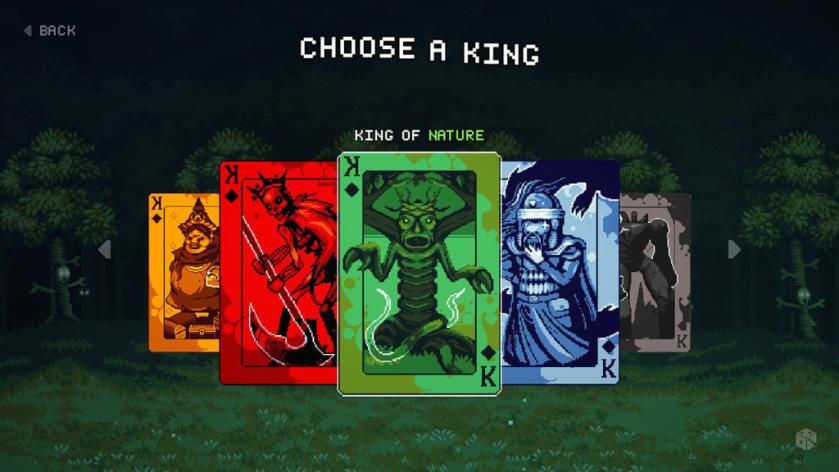
These are the kings that win before the opponent can assemble an answer. They’re simple to pilot at a high level, and they punish mistakes ruthlessly.
- King of Nature: Your backline can shred whole lanes from range. The ranged staples, coupled with base effects and perks that keep your units alive, make this deck feel unfair. It hits like a sniper on a ridge when paired with Accumulator.
- King of Time: If the match becomes a war of attrition, this King usually comes out ahead. Tome and building synergies let you recover wasted draws, beat the +3 limit, and stack recurring buffs by rewinding plays.
- King of Spells: High damage density and stacking enhancements make this a glass cannon that bursts opponents down. You must accept fragile defense for raw explosion.
A-Tier
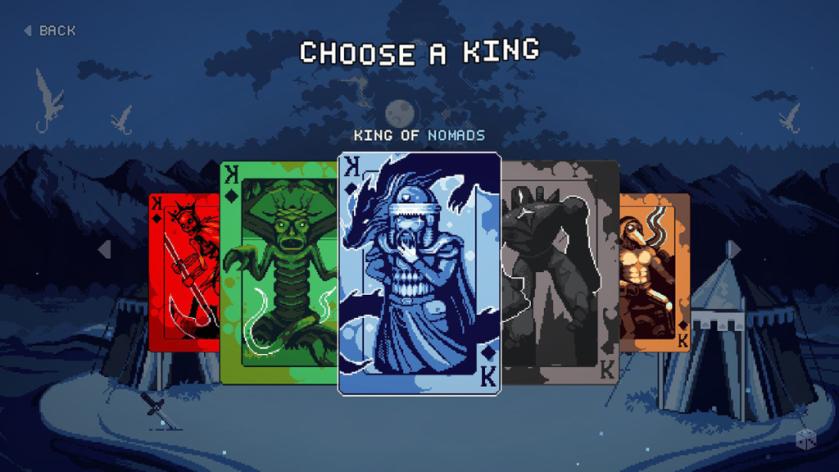
A-Tier decks win plenty, but they demand choices: planning, timing, or the right perks to hit their power spike. They’re forgiving if you play to their strengths.
- King of Nomads: Units that come from the base itself let you flood lanes and overwhelm defenses. Open with Dragon Den and the right blessings and you can steamroll early. It also gives you one of the more theatrical late-game summons (yes, Godzilla sightings on YouTube are real).
- King of Greed: Economy-first playstyle. If you earn the cash and pick the matching perks, Dispensers and unique soldiers turn into a late-game avalanche. Early turns can feel thin until you hit your tempo windows.
- King of Progress: Buildings do the heavy lifting here. When Deflector Army comes online, it can march through most compositions—if your draw cooperates. Planning rewards you, but variance punishes.
Read what’s behind the latest news in gaming (with a bit of snark) by subscribing to the Moyens I/O Checkpoint newsletter!
How do I counter the King of Nature?
Short practical read: deny the range or force close engagements. Play pressure with early units, use removal that closes gaps, or take a Perk path that punishes long-range dependence. Watch high-level Twitch matches for micro-examples—streamers will show you when the Nature player overcommits.
B-Tier
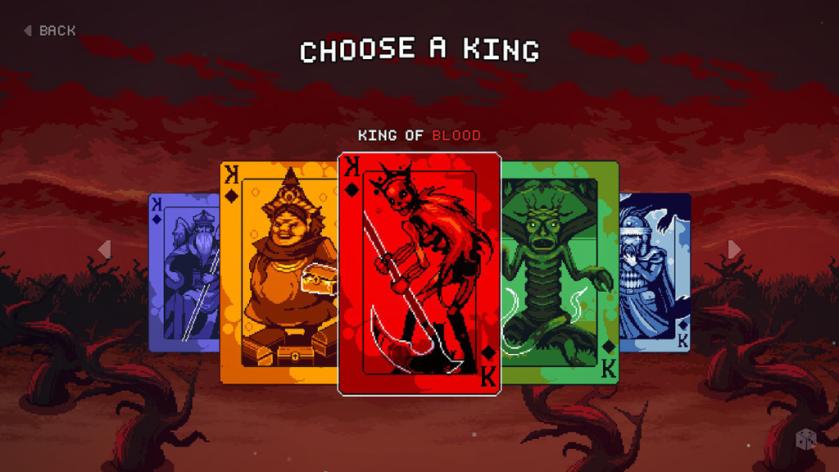
B-Tier Kings can win, but they often need a partner perk, a lucky draw, or you to outplay the opponent consistently. They have defined weaknesses that stronger decks exploit.
- King of Nothing: A gentle learning deck—steady, predictable, and safe. It doesn’t spike hard and can be left behind when matches accelerate.
- King of Blood: Late-game growth is real, but you’ll bleed early turns. Without defensive buildings or early pressure, you invite punishments on most ladders.
- King of Stone: The fortress pick. It holds ground like a dam holding back a flood, but it rarely forces the opponent into a losing state by itself.
Want a fast checklist for picking a King before a ranked grind? Pick S if you want fewer moving parts, A if you like planning and timing, B if you prefer slower builds and learning curves. The community on Reddit and theorycrafters on YouTube will show you more permutations—watch a couple of matches to see the small plays that win games.
If you’re buying cosmetic or champion bundles on Steam, expect prices around $9.99 (€9) for small packs; creators on Twitch or YouTube often run giveaways and pack guides that make the math easier.
I’ve given you the patterns that win matches, the risky plays that lose them, and where each King sits in the ladder’s pecking order—so which King will you swear fealty to?