
He steps out of shadow in two press photos and something in the frame refuses to settle. I froze on the right side of his face—the one that might hide a secret—and felt the same cheap thrill you get when a loose thread hints at a hidden pattern. This isn’t a wardrobe choice; it’s a whisper that a story is being held back.
I write about films and games enough to smell a tease. You and I both know how studios doctor images: they give you just enough to chase, not enough to catch. So when Denis Villeneuve’s new 007 photos tuck Robert Pattinson’s right cheek into mystery, my reporter brain—and yes, my fan brain—starts cataloguing possibilities.
At a press shoot where every frame is engineered, the right side of Pattinson’s face sits in shadow.
That single framing choice reads like a deliberate omission. Bond has an old-school trademark few modern adaptations have bothered with: a vertical scar on his right cheek, first described by Ian Fleming in Casino Royale. The scar isn’t cinematic canon for most actors—Sean Connery, Pierce Brosnan, Daniel Craig’s Bonds all skipped it—but IO Interactive’s recent game 007: First Light put the mark back on the map, giving players a narrative reason to care.
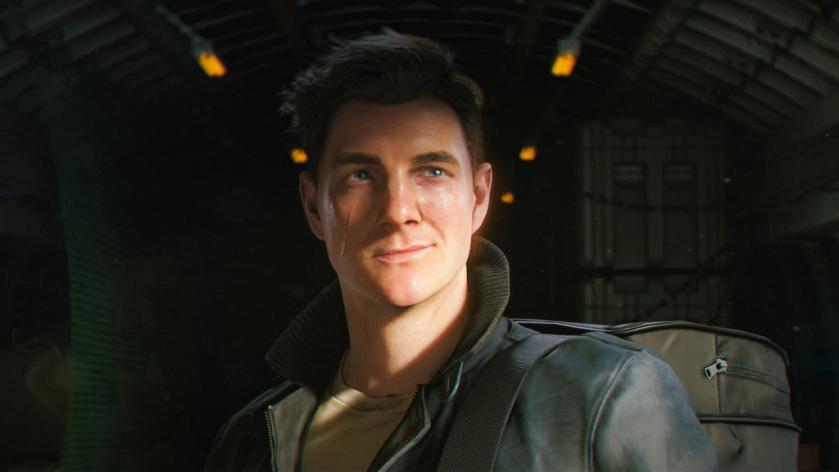
Does James Bond have a scar?
Yes — in Fleming’s novels Bond carries a vertical scar on the right cheek. It’s a detail that reads small on the page but acts as shorthand for a life of odds and close calls. The scar’s origin is never fully explained by Fleming, which gives filmmakers and game designers room to invent a cinematic or interactive origin story.
At trade shows and fan forums, the scar is a recurring argument among old-guard readers and new-media players.
Fans who played 007: First Light accepted the scar as character shorthand; IO Interactive used it to stitch emotion into an otherwise explosive opening sequence. If Villeneuve’s film borrows that thread, it can either let the mark sit as atmospheric grit or stage a dramatic moment that earns it. Either choice shifts how you read Bond’s history and how Pattinson’s performance will be framed in editorial columns.
Will Robert Pattinson have Bond’s scar?
At the moment it’s speculation. But the composition of the two studio photos—both favoring shadow over the right cheek—behaves like intentional misdirection. Amazon Studios now produces the film; Denis Villeneuve directs; Pattinson has a track record of radical, theatrical choices. Those three ingredients make a scar on Bond plausible rather than far-fetched.
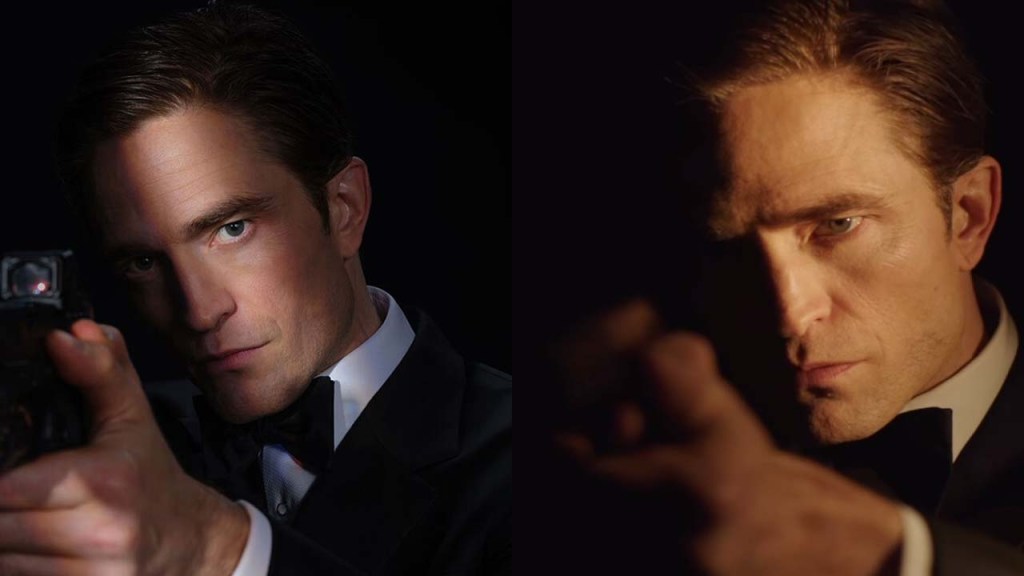
At a glance, hiding a face detail is advertising theater; behind it sits strategic storytelling.
Studios tease to build anticipation and media cycles. If the scar is withheld now, the first teaser trailer becomes a pressure valve: reveal it and the internet explodes with continuity talk and game-to-film comparisons; keep it hidden and speculation drives streams and clickthroughs. Either route is attention engineering, and you should assume Amazon and Villeneuve’s marketing team know that.
Why hasn’t the scar appeared in films before?
Filmmakers have chosen clean-faced Bond for decades because a scar can complicate the actor’s sex appeal, star image, and stunt choreography. But we live in a different media economy now: games like 007: First Light, franchises on Amazon, and auteur directors—Villeneuve being the latest—shift what audiences tolerate and reward. Pattinson’s willingness to take risks further ups the odds the mark will appear.
I don’t have a mole inside MI6 or Amazon’s marketing war room. What I do have is reading, watching, and connecting the dots between Fleming’s text, IO Interactive’s design choices, and the visual grammar of modern studio teasers. The shadow on Pattinson’s cheek is either a tease with theatrical intent or the sign of a creative choice the studio hasn’t decided to reveal yet.
Think of the scar as a live variable in a franchise equation: when you add a single, tactile flaw, you change how audiences read history and motive. Two quick metaphors help: the scar could sit across Bond’s face like a score from a pocketknife, a tiny punctuation that rewrites the sentence; the studio’s silence about it holds like a closed safe, promising more if you wait.
If you want to follow the clue trail, keep an eye on Amazon’s official channels, Villeneuve interviews, and the coverage from outlets that watched First Light closely—sites like Moyens I/O and game studios such as IO Interactive already put the scar back into cultural circulation. And if the first trailer peels that shadow back, editors will have a new angle to chase: why this Bond, why now?
So tell me: do you want Pattinson’s Bond to wear Fleming’s scar as a weathered badge or should the film ignore the mark to preserve a cleaner, cinematic Bond image?