
I sat through a studio briefing and watched a single slide erase my childhood assumptions. You remember when games came on a single cartridge; today their budgets read like nation-sized spreadsheets. That realization makes you ask what buying these worlds actually costs.
I’ve tracked budgets, press leaks, analyst notes from Sterne Agee, and public filings so you don’t have to. I’ll walk you through 20 of the costliest games ever made — what studios paid, where the money went, and which titles changed the business. Read with the kind of skepticism a game reviewer brings to every big release; I’ll point out what mattered and what didn’t.
How much does a major video game cost to make?
It varies wildly: small AAA projects can land under $200 million (€186M), while sprawling live-service or open-world efforts can top $1 billion (€930M) when marketing and post-launch support are included.
Why do modern games cost so much?
Licensing fees, global marketing, live-service infrastructure, and multiplatform testing are the usual suspects — along with talent costs and years-long development cycles driven by player expectations.
Which game is the most expensive?
As of now, Rockstar’s reported figures for GTA 6 put it at the top, with estimates between $1–$1.5 billion (€930M–€1.4B).
Stores couldn’t keep cartridges on shelves — Final Fantasy VII

- Budget: $80–$145 million (€74–€135 million)
- Genre: JRPG
- Release Year: 1997
Stores sold out; the game rewrote expectations for storytelling on consoles. Square Enix pushed unprecedented resources into art, FMV, and a sweeping score. Adjusted for inflation, that original investment would read like a modern AAA budget — a signal that expensive games didn’t begin with CDs and consoles as we know them.
Retailers printed “Sold Out” tags for demand — Horizon Forbidden West

- Budget: $212 million (€197 million)
- Genre: ARPG
- Release Year: 2022
Guerrilla expanded its world, and every expansion point added cost. Digital cinematics, larger maps, and a hefty live-service plan explain why Forbidden West landed near the high end of modern budgets. The game’s ambition cost more but delivered scale and polish gamers expect on PlayStation platforms.
People lined up for new suits at midnight — Marvel’s Spider-Man: Miles Morales

- Budget: $213 million (€198 million)
- Genre: Open-world, Superhero Action-Adventure
- Release Year: 2020
It felt like DLC for some, but licensing shifts the math: Insomniac reportedly paid $106.5–$109 million in Marvel fees alone. The final tally put Miles Morales in the hundreds of millions — proof that IP costs can be as expensive as production.
Reviewers argued for hours over the story beats — The Last of Us: Part II
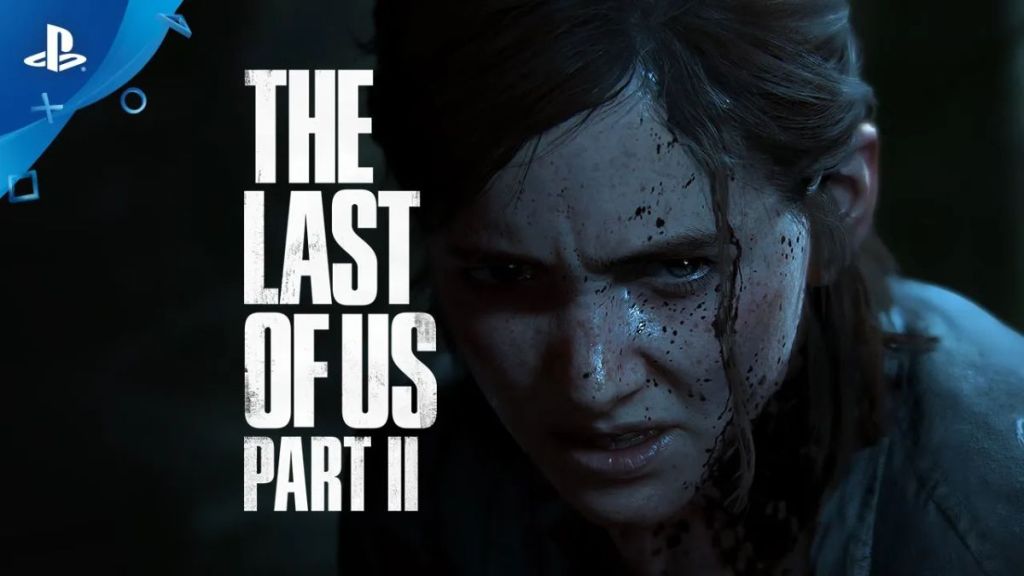
- Budget: $220 million (€205 million)
- Genre: Action-Adventure
- Release Year: 2020
Naughty Dog doubled down on performance capture, set dressing, and voice talent. The result cost roughly $220 million — a wager on narrative-driven returns that contributed to the studio’s reputation for cinematic games.
Every bank transfer felt ceremonious — Grand Theft Auto V
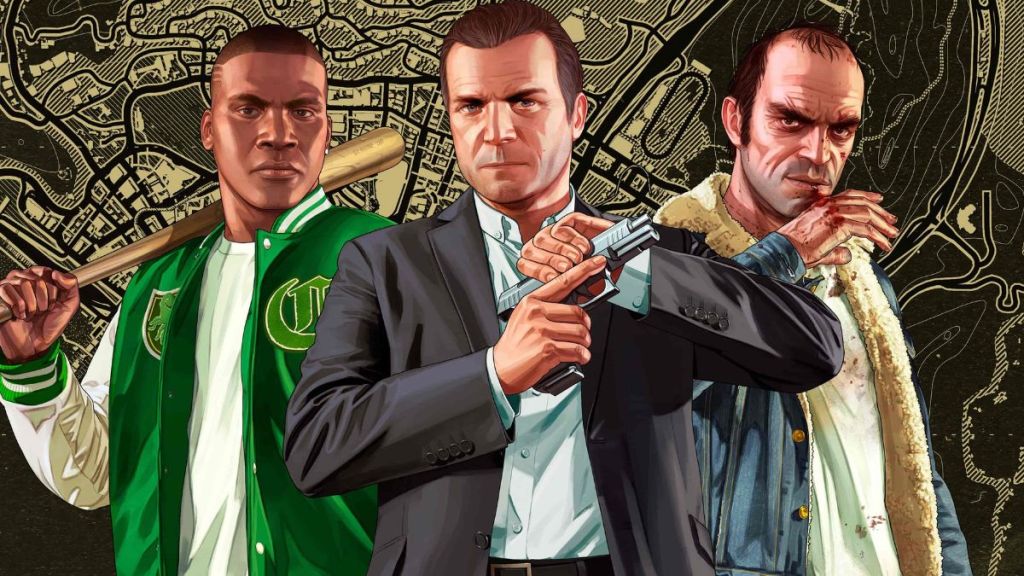
- Budget: $206.5–$246.8 million (€192–€230 million)
- Genre: Open-World Action-Adventure
- Release Year: 2013
Rockstar poured tens of millions into development and marketing; Sterne Agee estimated $137.5 million for development and $69–$109.3 million for marketing. Adjusted for inflation, GTA V reads like a multi-hundred-million-dollar manifesto on open-world expectations.
Reporters compared scripts and cast lists — Marvel’s Wolverine
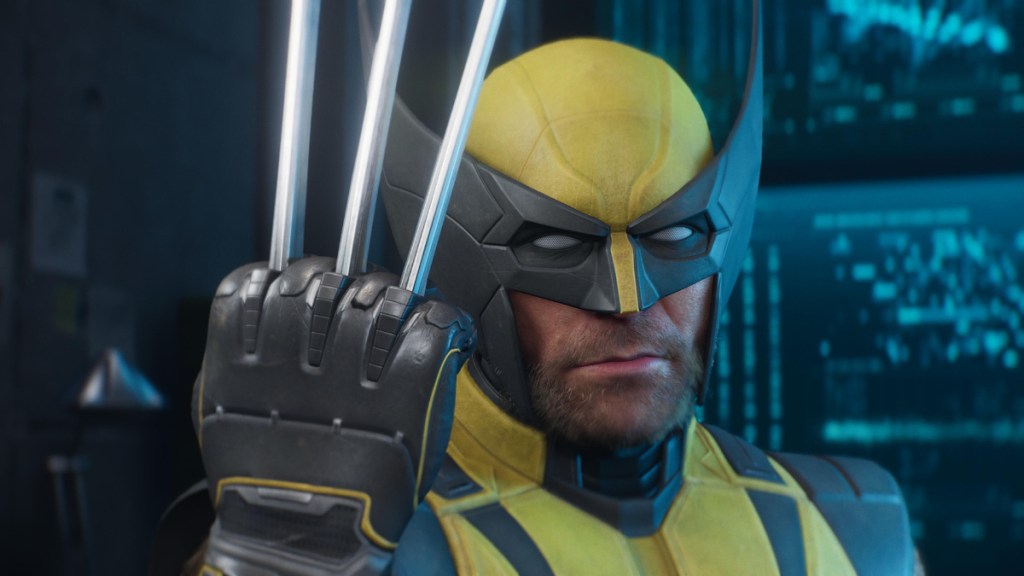
- Budget: $305 million (€284 million)
- Genre: Superhero Action-Adventure
- Release Year: 2026
Insomniac’s Wolverine carried heavy licensing expectations and a global marketing push. Reported at roughly $305 million, it’s an example of how superhero IPs add a premium to production budgets.
Consoles were pushed by streaming trailers — Marvel’s Spider-Man 2
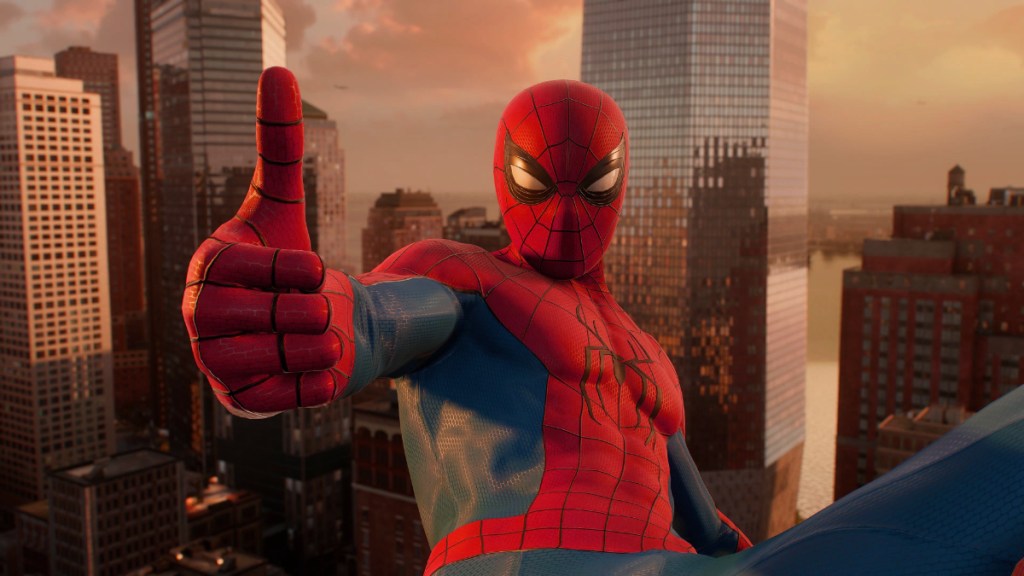
- Budget: $315 million (€293 million)
- Genre: Superhero Action-Adventure
- Release Year: 2023
Insomniac combined two lead heroes and broadened the world; the final figure landed around $315 million. The lesson: sequels that scale up scope often scale up cost even faster.
TV networks covered launch reactions nonstop — Call of Duty: Modern Warfare 2

- Budget: $200 million (€186 million)
- Genre: First-person shooter
- Release Year: 2009
Infinity Ward spent modestly on development but heavily on marketing — roughly $150–$160 million — pushing the total to about $200 million. Adjusted for inflation, that number reads like a modern blockbuster marketing push.
Publishers scheduled global ad campaigns — Battlefield 6

- Budget: $400 million (€372 million)
- Genre: First-person shooter
- Release Year: 2025
EA and Battlefield Studios invested heavily in both single-player and multiplayer infrastructure, plus a live battle royale mode. The $400 million figure reflects massive online server costs and a global marketing footprint.
Subscription pages filled with raid invites — World of Warcraft

- Budget: $263+ million (€244M+)
- Genre: MMORPG
- Release Year: 2004
Blizzard’s MMO required enormous back-end investment and a huge marketing push to build a subscription base. Even in 2004 dollars, WoW’s cost was extraordinary; inflation would push that figure far higher today (€378M+ by older estimates).
Forums lit up with modding guides — Cyberpunk 2077
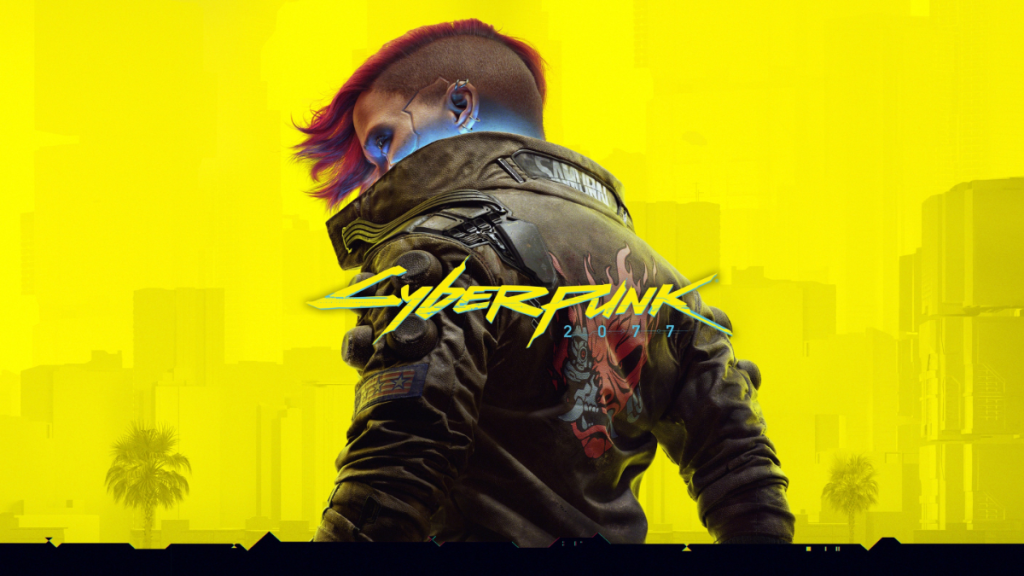
- Budget: $441.9 million (€411 million)
- Genre: ARPG
- Release Year: 2020
CD Projekt RED invested a decade and hundreds of millions in Cyberpunk 2077. The launch stumble is legendary, but ongoing patches and expansions pushed the total development and support cost toward $526 million (€489M) when measured over time.
Industry newsletters speculated about massive ad buys — Gears of War: E-Day

- Budget: $500+ million (€465M+)
- Genre: Third-person shooter
- Release Year: 2026
Sources reported development north of $500 million — and some analysts say marketing might not even be fully counted. This is emblematic of Microsoft-era first-party projects that treat AAA titles as long-term platforms rather than one-off releases.
Console store pages and esports circuits both carried the name — Call of Duty: Black Ops III

- Budget: $450 million (€418 million)
- Genre: First-person shooter
- Release Year: 2015
Black Ops III reportedly cost around $450 million when combining development and global marketing. Activision’s franchise model turns each installment into a large-scale commercial operation.
Critics praised motion capture and environmental design — Red Dead Redemption 2

- Budget: $370–$540 million (€344–€502 million)
- Genre: Open-World Action-Adventure
- Release Year: 2018
Rockstar invested heavily in motion capture, actors, and painstaking environmental detail. Estimates range widely — and adjusted figures today push RDR2 into the half-billion-euro neighborhood for total program costs.
Industry blogs tracked studio headcounts and outsourcing bills — Call of Duty: Modern Warfare (2019)
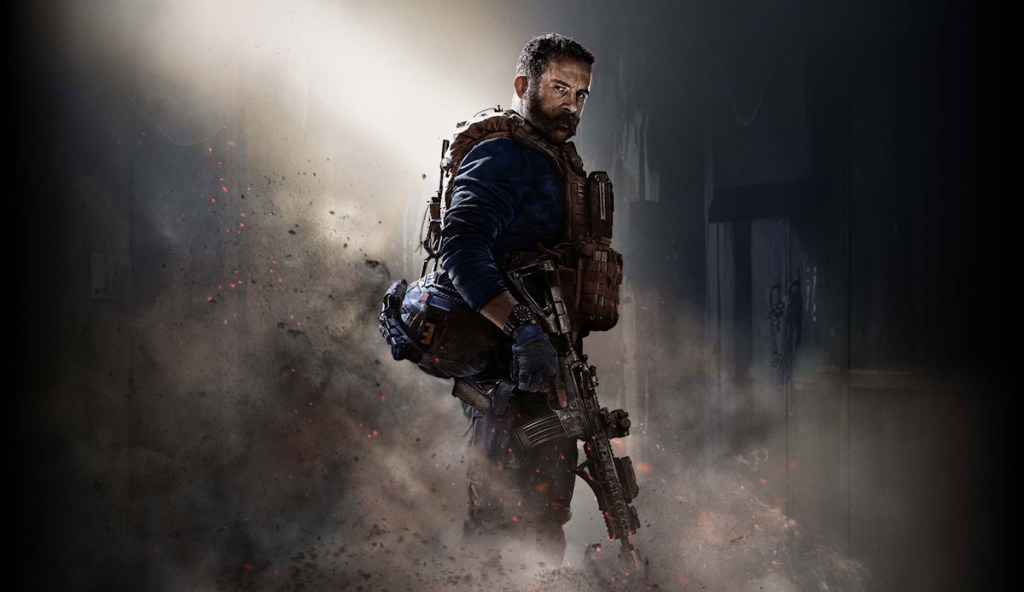
- Budget: $640 million (€595 million)
- Genre: First-person shooter
- Release Year: 2019
Reports place the 2019 Modern Warfare reboot at roughly $640 million, a figure that includes extensive global marketing and cross-studio development. It’s a reminder that even reboots can become cost behemoths when publishers aim for broad market domination.
Analysts compared projected sales to marketing spend — Call of Duty: Black Ops Cold War

- Budget: $700 million (€651 million)
- Genre: First-person shooter
- Release Year: 2020
Treyarch and Raven’s Cold War title saw heavy investment into campaign production and global rollout. At roughly $700 million, it sits among the industry’s most costly single releases when marketing is folded in.
Influencers posted daily pulls and character reactions — Genshin Impact

- Budget: $900+ million (€837M+)
- Genre: ARPG
- Release Year: 2020
miHoYo (Hoyoverse) poured enormous funds into live ops, character production, and global marketing. Genshin Impact’s ongoing cost profile — reported at over $900 million — shows how live-service games can accumulate near-billion-dollar budgets over time.
Board-game nostalgia met viral campaigns — Monopoly Go!
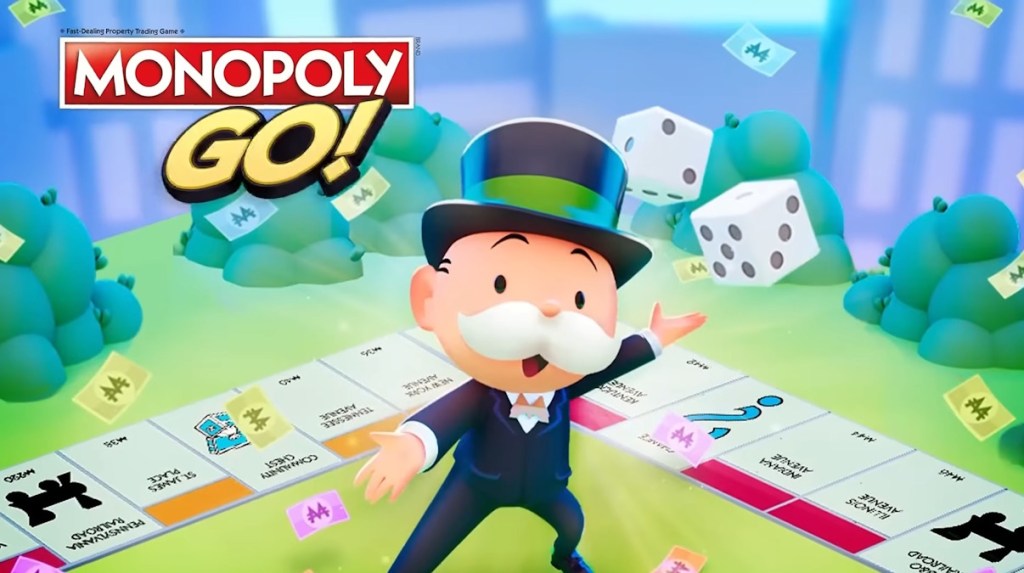
- Budget: $1 billion (€930 million)
- Genre: Mobile board game
- Release Year: 2023
Scopely and Hasbro reportedly spent roughly $1 billion, largely on marketing. Monopoly Go! has generated over $5 billion in revenue, which explains why companies will spend massive sums to dominate a mobile revenue stream.
Crowdfunding backers tracked stretch goals for years — Star Citizen and Squadron 42
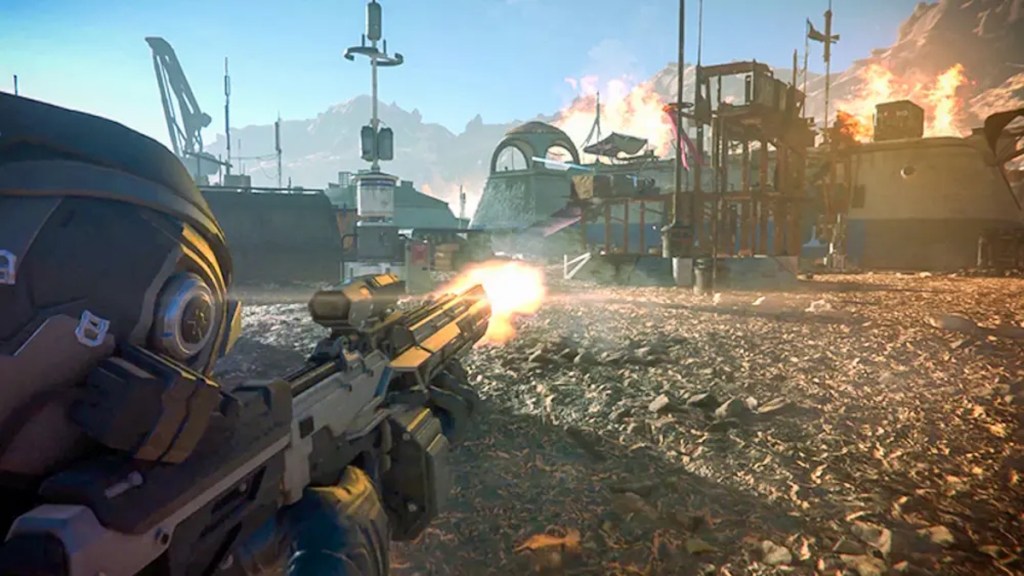
- Budget: $1.12+ billion (€1.04+ billion)
- Genre: MMO, First-person shooter
- Release Year: TBA
Cloud Imperium’s crowd-funded projects have raised well over $1 billion cumulatively. Squadron 42’s expected release and Star Citizen’s ongoing development make their combined cost a unique case: sustained community funding turning into a long-running production line.
Trailers prompted millions of reaction videos — GTA 6
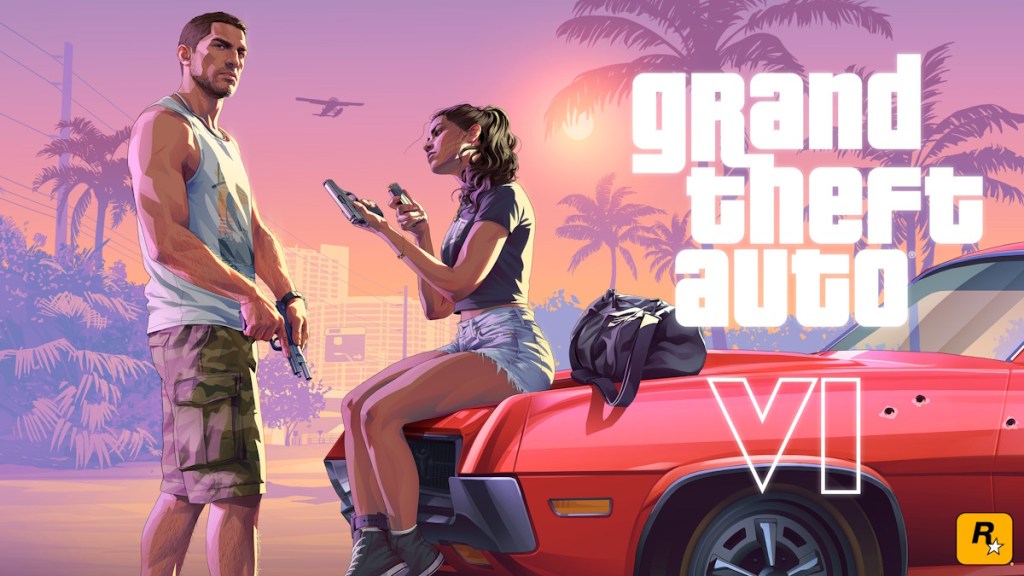
- Budget: $1–$1.5 billion (€930 million–€1.4 billion)
- Genre: Open-World Action-Adventure
- Release Year: 2026
Rockstar’s most recent effort is reportedly the most expensive game ever produced. Whether it’s $1 billion or $1.5 billion, the scale includes global marketing, vast development teams, and multiplatform certification — a financial commitment that changes how publishers plan long-term franchises.
Over two decades the industry grew into an ecosystem where studios, platform holders like PlayStation and Xbox, publishers such as EA and Activision, and platforms like Steam and Epic Games all shape where money flows. Engines matter too: Unreal Engine and proprietary tech both add licensing and engineering costs. The budgets now can move like a luxury liner cutting through fog, steady and immense.
Which of these investments paid off? Some did — GTA V and Genshin Impact returned multiples. Others needed major post-launch rescue missions, like Cyberpunk 2077. The tally is a web of creative ambition and corporate calculus, an expanding tangle of knotted threads around artistry and commerce.
If you had a billion dollars to fund a game, what would you spend it on and why?