
I hit retry for the fifteenth time and felt the annoyance I wanted to feel never arrive. The boss staggered, I adjusted my timing, and the fight ended with a shrug. That moment made me realize something about my taste in games.
I’ve played more than 60 hours of Phantom Blade Zero, and my review would read as praise on any platform. Yet a stubborn sentence keeps looping in my head: this feels suspiciously simple. You should know I’m not saying that to bait clicks — I’m saying it because the sensation matters more than the score.
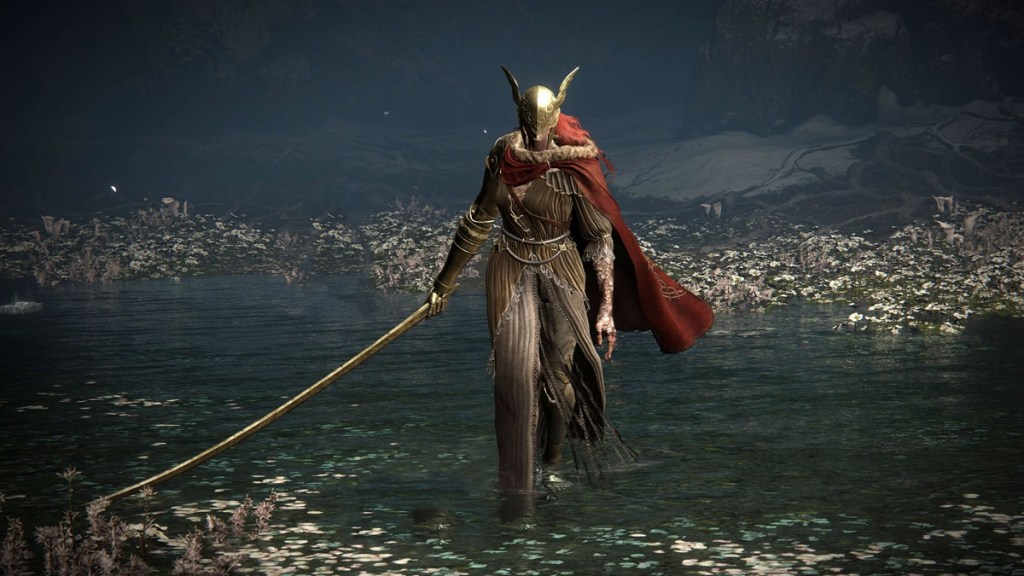
I spent a weekend staring at Malenia’s moveset — Soulslike Genre Has Crippled My Taste for Enjoying Normal Action RPGs
I learned to respect every frame in Elden Ring and Sekiro; those lessons rewired my expectations. I fell into the Soulslike orbit late, with Elden Ring turning into my favorite game and FromSoftware into a standard-bearer. The problem is not skill—Souls games sharpened mine—but appetite: I need a fight that resists me on purpose.
I now require bosses to demand multiple attempts, to teach me a rhythm by refusing to bend on the first or second try. When that ritual is absent, the game stops rewarding the exact impatience I’ve trained into myself. My taste has become a rusted blade.
Is Phantom Blade Zero a Soulslike?
No — not strictly. S-Game’s Phantom Blade Zero leans into action RPG conventions while borrowing some Soulslike DNA: deliberate timing, punishable mistakes, and dramatic boss choreography. It’s sold and discussed across platforms like Steam in a way that invites comparisons to FromSoftware, and that’s part of the problem: expectation inflation.
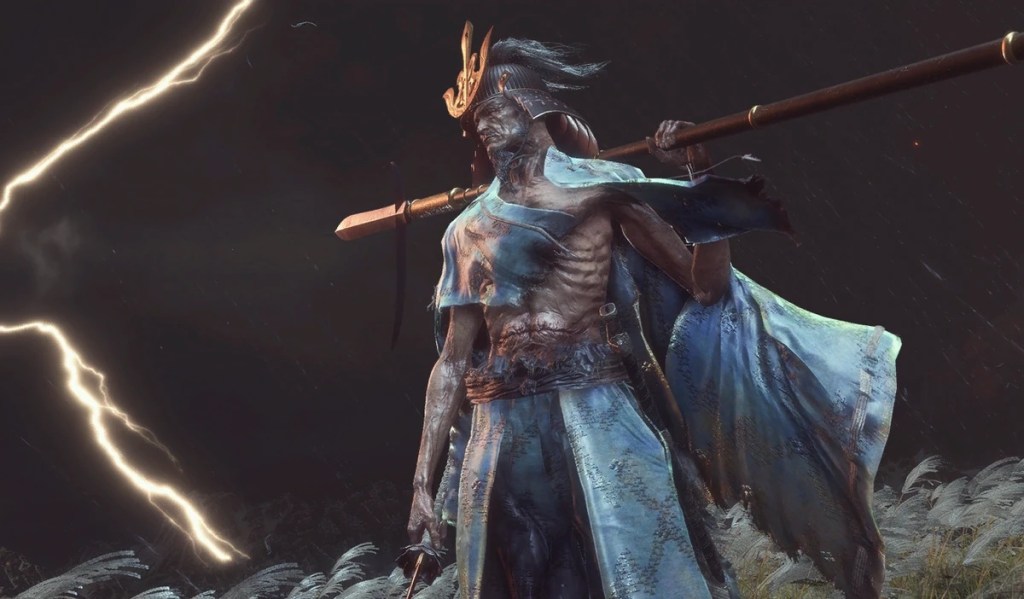
I counted my deaths and found none — It’s Not Difficulty, It’s Satisfaction That I Am Chasing
I timed how many tries I spent on core bosses and the count surprised me: single digits, often one. Difficulty isn’t the enemy here. What I crave is the grind that teaches me to read an encounter and retool my approach until the memory of failure snaps into triumph.
Satisfaction in a Soulslike is crafted: enemies punish greed but reward study, boss patterns become lessons, and victory tastes earned. Phantom Blade Zero does provide resistance and learning loops, but those loops move at a different tempo from the ones I trained to crave. Phantom Blade Zero wears a finely carved mask.
Why do Soulslike players find other action RPGs easy?
Because status quo design and Soulslike training pull from different incentive systems. Soulslike design punishes sloppy choices and amplifies the learning loop; many action RPGs reward steady progression, cosmetics, and narrative momentum. If you’ve been shaped by FromSoftware’s unforgiving feedback loop, other games may feel permissive—even generous—by comparison.
I saw a trailer promising adaptive AI and felt promised fury — But Is It Only My Snobby Self’s Fault?
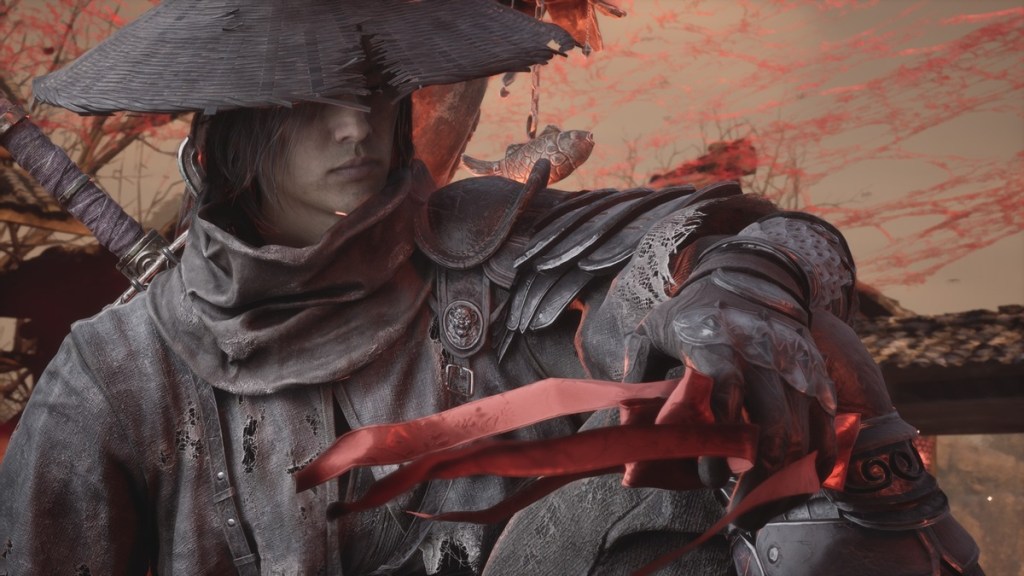
I watched the Hellwalker promo and expected fights where enemies adapt and punish repeated patterns. Marketing framed Phantom Blade Zero as a storm, and the game’s reality was a steady wind. That mismatch matters because expectation is part of the experience.
S-Game pushed Hellwalker mode as an AI-driven gauntlet; promotional language can be a tax on player expectation. When you play on that difficulty and bosses yield fewer tense deaths than promised, the gloss feels like a small deception. Still, I’ve enjoyed less punishing titles—Resident Evil Re:Verse and Onimusha made me happy without the rage reset—so part of this is my cultivated appetite and part of it is hype.
How hard is Hellwalker difficulty in Phantom Blade Zero?
Hellwalker raises enemy damage, tightens windows, and adds scripted variations to attack patterns, but it does not replicate the layered unpredictability of a Soulsborne boss. If you want the most extreme test, Hellwalker is worth playing, but don’t expect a FromSoftware-level gauntlet merely because marketing hinted at adaptive learning.
I’m a seasoned player with refined tastes and visible scars from nights spent fighting a single boss. That background makes me a strict judge and a reliable one: I can tell you where a game fails to meet a certain kind of hunger. Are you finding Phantom Blade Zero too tame, or am I the one with spoiled expectations?