
I was three blocks from the theater when my feed exploded: Villeneuve was directing Bond and a new 007 had been named. You could feel the room tilt — critics sharpening knives, fans drafting wish lists, studios tallying risk. I sat down, took a breath, and read what the director actually said.
I’ll be blunt: you and I have been trained to argue casting like it’s a sport. But casting isn’t votes — it’s a promise about tone, threat, and attraction. Denis Villeneuve didn’t choose Robert Pattinson because of hype; he picked traits he could film until the camera stopped lying.
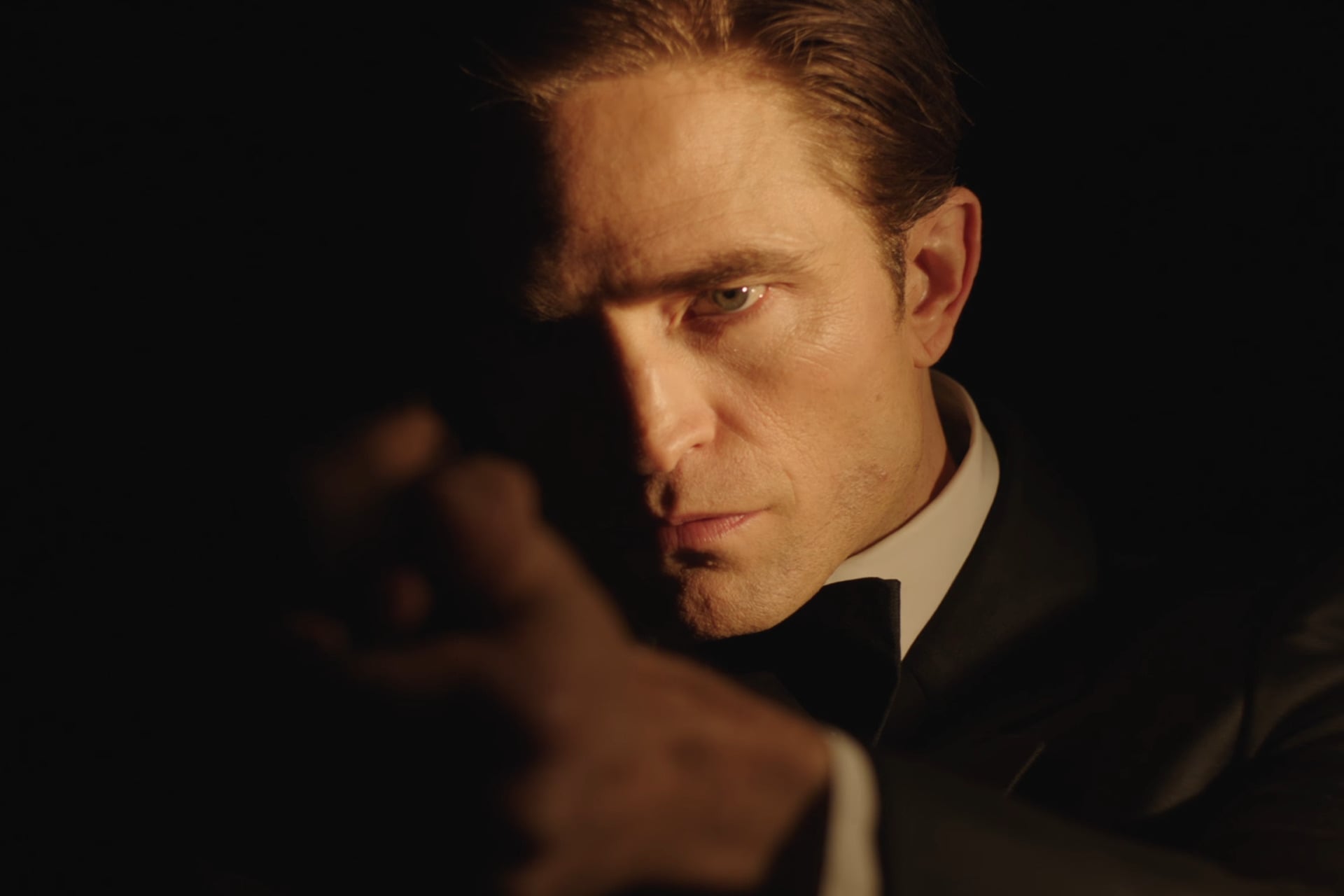
At a sidewalk café, someone asked me if Bond still needed to be dangerous.
That’s the exact moment Villeneuve’s answer landed for me. He told GQ he needs to believe “this man is a killer” — not a suave spy who saves the day by charm alone, but someone with an undercurrent of lethal intent. I heard it as an instruction to performance: the actor must carry contained violence like a coiled spring, waiting for the right moment.
Why was Robert Pattinson chosen as James Bond?
Because Villeneuve saw specific ingredients, not celebrity. The director wanted unapologetic panache, a magnetic charisma, visible sensuality, and an intelligence that reads in the eyes. Pattinson’s career — from indie torchbearer to blockbuster lead — shows an ability to be both fragile and menacing on camera, which Villeneuve values above pedigree or box-office history.
On a studio lot, executives moved through a spreadsheet while directors argued tone.
That’s where choices become compromises. Villeneuve admits he didn’t sign the contract alone; Warner, MGM, Amazon, and producers had voice. Still, he drove the conversation because he had a thesis: Bond is more assassin than diplomat. He wanted an actor who could be witty and dark, who could relish risky situations and also register pleasure.
What qualities did Denis Villeneuve want in Bond?
He listed them plainly in the GQ interview: anger in the eye, unapologetic panache, strong charisma, sensuality, wit, dark humor, pleasure in danger, willingness to get dirty, physical presence, and a calculating intelligence. Those aren’t checkboxes for marketing teams — they’re filmmaking levers. Villeneuve plans to pull each one on set to shape tone, tempo, and camera language.
At the premiere, commentators will compare faces and resume lines like box office stats.
That’s the predictable noise. Here’s what matters: Villeneuve’s track record — Arrival, Blade Runner 2049, Dune — shows he makes casting decisions with the camera’s truth in mind, not Twitter’s applause. He wants an actor who can carry long, uncut moments of tension and who won’t look passive under scrutiny. Pattinson gives him that option, which is why the pairing feels intentional rather than random.
I’ll point to one small detail: Villeneuve said Bond must be “always ahead of us.” That is a director’s fantasy and a promise to the audience; it means performance calibrated to suspense, not spectacle. You’ll see choices echoing through set design, score, and editing — a filmmaker aligning talent, production, and franchise.
Want more io9 news? Check out the best movies and TV shows to stream this month and all the upcoming sci-fi, fantasy, and horror books that should be on your radar.
Think of this casting like a lighthouse and not a billboard: it guides where the film’s tone will fall, rather than shouting its name into the night. Villeneuve picked the actor he believes will hold that signal in every frame — and now you, the viewer, have to decide whether you trust his sight. Will Pattinson’s Bond feel like a reinvention or a retreat into familiar shorthand?