
I sat in on a critics’ video call and watched Destin Daniel Cretton blink as the box-office totals scrolled by. He sounded like someone who had found a flashlight in fog—an island kid suddenly standing under stadium lights. You can feel the tremor when a modest origin meets an enormous outcome.
I’m going to walk you through what he said, what the numbers mean, and why that December 4 re-release matters for anyone who cares about movies as feeling and engines of business. Read this like an insider note: I’ve tracked press rooms, studio memos, and ticketing feeds long enough to tell you where the story bends.
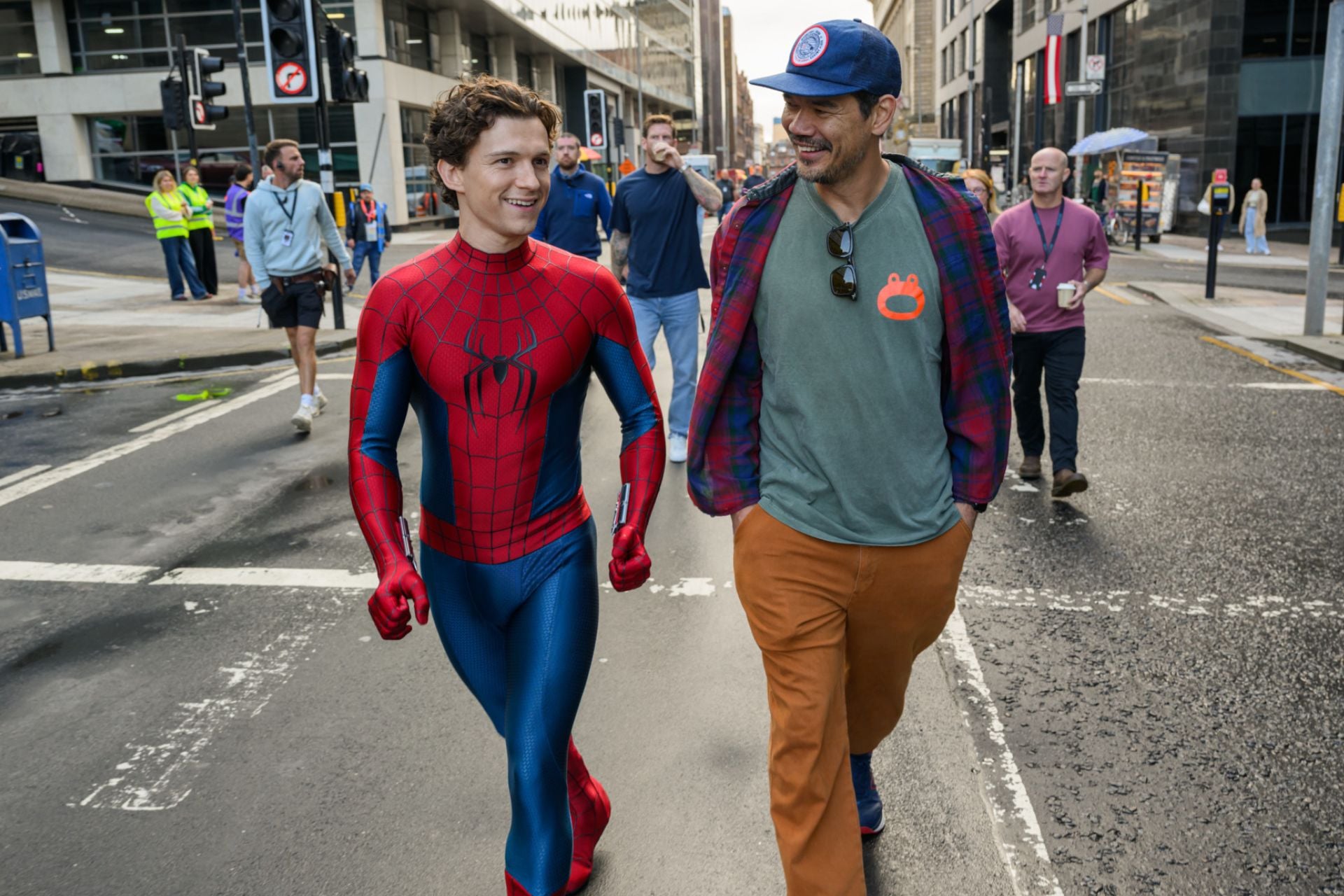
There was an obvious tally on every trade site — and it kept climbing.
Box Office Mojo and Comscore lit up: Spider-Man: Brand New Day opened to one of the largest weekends ever, beating the mark set by Avengers: Endgame. The film’s domestic run eventually pushed past Star Wars: The Force Awakens to become the highest-grossing film in U.S. history, with studio figures reported at about $1.6 billion (≈ €1.48 billion).
Why did Spider-Man: Brand New Day break box office records?
Because Sony and Marvel built two engines at once: spectacle and emotional access. The trailers sold the fights and the visual scale; the press and word-of-mouth sold the human scenes. Studios leaned on platforms you already use — Fandango and Atom Tickets for presales, social clips for TikTok and X — and that funnel converted the early curiosity into weekend lines.
I watched Cretton deflect some questions and focus on one of the film’s quieter scenes.
On a Critics Choice Association call, he kept circling one simple observation: audiences were telling him they connected to a scene where Peter sits with Jean and talks about what loneliness does to a person. That alone shifts a conversation away from spectacle.
How did Destin Daniel Cretton guide the film’s emotional tone?
I heard him frame the film as an exercise in subtraction — what happens when relationships are erased. He said the film was never meant to top the multiverse stakes; instead, he wanted to examine the interior life of Peter Parker. That decision changed the marketing rhythm: clips and interviews highlighted the intimacy, and the critics who saw the film early handed that language to readers and viewers.
There was a practical studio moment when Sony greenlit a re-release.
Sony announced a December 4 extended version with new scenes, which signals confidence that the property can drive repeat theatrical demand. Re-releases now behave like DLC for films: new footage becomes inventory that tickets and premium formats can monetize.
When is the re-release of Spider-Man: Brand New Day and what’s new?
The extended edition hits theaters on December 4 and adds several scenes Cretton said were originally intended for the cut but didn’t fit the initial runtime. Tickets are on sale through standard outlets like Fandango; expect premium screenings in Dolby and IMAX to carry a price premium compared with regular showings.
The closing observation is that records are not the whole story.
Cretton sidestepped celebrating charts and instead spoke about connection. I’ll say this plainly: if a film lets audiences talk about loneliness and belonging, it can turn box office into a cultural event. The movie becomes a mirror, reflecting what the audience carries with them to the theater.
How did audiences respond differently than expected?
Social listening and ticketing patterns showed sustained interest beyond the opening weekend. Repeat viewings spiked when word-of-mouth emphasized the emotional beats rather than just the spectacle. That’s why Sony is banking on a re-release — it’s not just money; it’s extending the cultural moment.
Cretton’s story — a kid from Maui now steering one of the decade’s biggest releases — is also a reminder about career arcs in modern Hollywood, where directors can move from indie festivals to franchise backlots using platforms like A24, Marvel, and Sony as launchpads. People like Tom Holland and the supporting cast became amplifiers; press tours and streaming digital releases kept the conversation active after theatrical windows closed. The film is available now for digital download, and the extended version returns to theaters on December 4.
I’ve given you the mechanics and the mood. Which matters more to you: the record books or the scene that made strangers call each other after a movie?