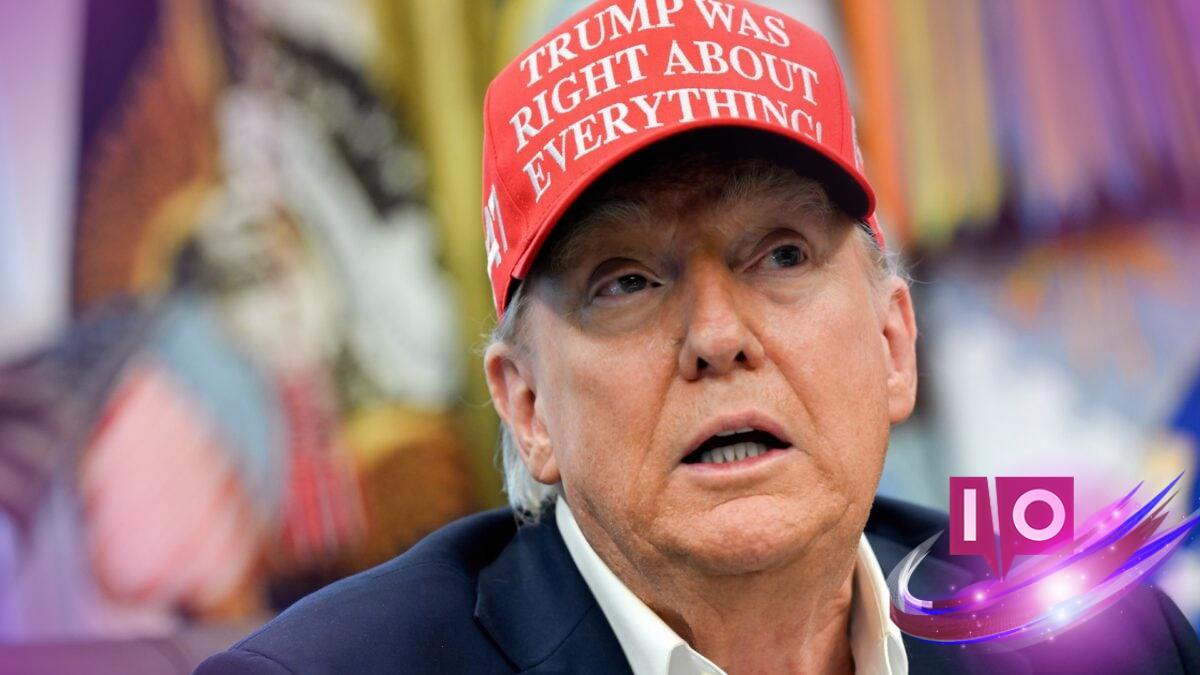
In a notable legal twist, President Donald Trump has secured a substantial settlement after his suspension from various online platforms following the January 6 insurrection at the U.S. Capitol. After revealing the complexities of social media guidelines and political expression, it’s crucial to delve into the recent decision involving YouTube, a platform owned by Google.
This situation showcases the ongoing intersection between technology, media, and politics, particularly as we approach the 2024 elections. With billions at stake, it’s no wonder companies are opting to settle rather than face prolonged legal battles.
YouTube’s Settlement Details
Google has agreed to a $24.5 million settlement, which breaks down to $22 million for Trump and the Trust for the National Mall—funding projects, including a White House ballroom renovation. The residual $2.5 million will support other plaintiffs, such as the American Conservative Union and Naomi Wolf, a prominent conspiracy theorist, as reported by the Wall Street Journal.
Why the Odd Settlement Amount?
You might wonder why this seemingly arbitrary figure of $24.5 million was chosen. Interestingly, it allows Google to present a settlement less than the $25 million paid by Meta, the parent company of Facebook, in a similar case. In that settlement, most funds are directed towards a private foundation linked to Trump’s anticipated presidential library. Additionally, X, formerly known as Twitter, agreed to pay Trump around $10 million earlier this year for claims of censorship during the January 6 incident.
The State of Trump’s Social Media Presence
As of March 2023, Trump’s YouTube channel has been reinstated, now actively sharing campaign messaging in preparation for the upcoming elections. During his suspension from major platforms, Trump focused on developing his own social media site, Truth Social, where he continues to share his views and updates.
The Legal Landscape
It’s worth noting that these settlements aren’t legally mandated. The lawsuits against Twitter were dismissed in 2022, and the cases against Meta and YouTube were also closed by a judge earlier this year. The payout from X triggered Trump’s team to seek the reopening of lawsuits against both Meta and YouTube.
Precedents Being Set
These substantial payouts raise questions about the implications for a liberal democracy. Recently, Trump also reached a $16 million agreement with Paramount over a claimed edit during a 60 Minutes interview with Kamala Harris, leading some commentators, like Stephen Colbert, to describe the timing of this settlement as dubious, especially as Paramount aimed to merge with Skydance.
What Are the Implications of These Settlements?
These decisions underscore a new trend where corporations choose to settle to alleviate potential governmental pressures, despite lacking legal responsibility to pay. This behavior sparks debate on whether these moves might set a concerning precedent regarding corporate governance and the role of social media in political discourse.
In the midst of a rapidly changing media landscape, questions arise: Is social media now a tool for political retribution? Will future platforms adjust their guidelines to navigate similar legal challenges? The ongoing saga of Trump and big tech will be closely watched as the 2024 election cycle advances.
What legal protections do social media platforms have against claims like Trump’s? Social media companies operate under Section 230, which generally shields them from liability for user-generated content, but cases like Trump’s slowly chip away at this protection.
How has Trump’s approach to social media changed since his ban? Since creating Truth Social, Trump has focused more on direct communication with his followers, bypassing traditional media channels.
Are other political figures facing similar challenges with social media? Yes, various political figures have experienced content moderation issues and bans, leading to increased scrutiny of tech companies and their decision-making processes.
Stay informed on these developments as they continue to unfold. The implications for both Trump and the platforms involved are significant, shaping the future of online communication and political engagement. For more insights and updates, keep exploring content like this on Moyens I/O.