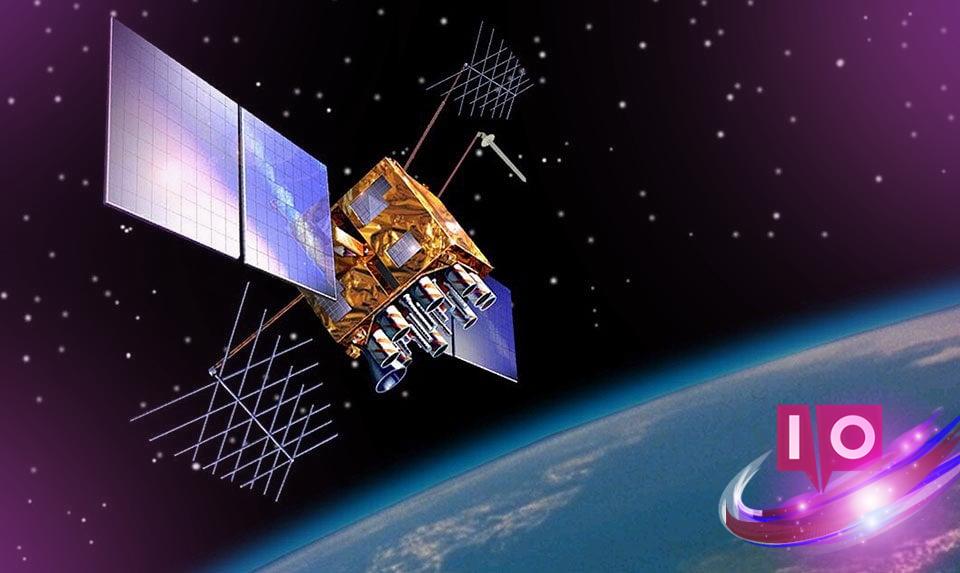
Have you ever wondered how secure your data is when it travels through the vast expanse of space? A fresh study has revealed some startling truths about satellite communications that might make you rethink your digital security strategies. It’s been discovered that sensitive data from cellphone carriers, banks, retailers, and even military channels is often broadcast in an unencrypted format via geostationary satellites. This alarming revelation raises critical concerns for organizations relying on such platforms to protect their information.
Researchers from the University of California, San Diego (UCSD) and the University of Maryland conducted a comprehensive analysis scanning 39 satellites over three years. Their findings indicate that around 50% of the signals transmitted were unencrypted, leaving sensitive communications, from personal phone calls to military logistics, exposed to interception.
1. Understanding the Research Findings
In their paper, intriguingly titled “Don’t Look Up: There Are Sensitive Internal Links in the Clear on GEO Satellites,” the researchers highlighted a significant discrepancy between the perceived and actual security of satellite transmissions. Presented at a prominent computing conference in Taiwan, the title cleverly references a popular film to illustrate the overlooked vulnerabilities of satellite security.
“There is a clear mismatch between how satellite customers expect data to be secured and how it is secured in practice,” said Aaron Schulman, a co-lead of the study. This situation is primarily because many organizations believed that no one would scrutinize these satellites for security flaws.
2. How the Research Was Conducted
You might be surprised to learn that the researchers utilized relatively standard equipment for their investigations—only costing around $750. This included a $185 satellite dish, a $140 roof mount, and a $230 tuner card, all set up on a university rooftop in La Jolla, San Diego. This budget-friendly approach proves that sophisticated tools aren’t always necessary for uncovering vital security gaps.
3. The Scope of Exposed Data
The researchers reportedly intercepted various forms of communication: phone calls, texts, and even in-flight Wi-Fi traffic from airline passengers. They stumbled upon military transmissions, ATM transactions, and corporate communications from several organizations, including Walmart-Mexico and Santander Mexico.
For telecommunications specifically, the team captured sensitive data from T-Mobile, AT&T Mexico, and Telmex. It took merely nine hours to collect information about over 2,700 T-Mobile users, including some of their calls and text messages. T-Mobile responded promptly, assuring that they addressed the issues linked to the study.
In a statement, T-Mobile emphasized the steps taken to enhance customer data security, including nationwide encryption for signaling traffic. This swift action showcases the importance of responsive communication in safeguarding user data.
4. Why is Data Often Unencrypted?
The problematic nature of these unencrypted signals stems from various reasons, including economic factors. Encrypting data, while crucial, can sometimes incur additional costs. Organizations weighing efficiency against security might unintentionally leave data unprotected. Moreover, if encryption settings are misconfigured, systems may continue functioning without indicating the lack of security.
5. What Should Organizations Do?
Organizations must prioritize data security by regularly reviewing their communication channels and updating encryption protocols. Awareness and training regarding these vulnerabilities can significantly enhance data protection efforts. Tauntingly, the researchers indicated that several affected parties confirmed the implementation of necessary fixes, proving that proactive measures can indeed result in positive outcomes.
Have you ever wondered how secure your data really is? Many people question whether satellite communications are still reliable. Given this study’s findings, it’s crucial to remain vigilant about potential information leaks, especially for sensitive communications.
It’s also common to ask, “What can individuals do to protect their data?” Simple steps include using encryption tools available for personal use and being aware of the technologies employed by service providers. Understanding the limitations of communication security will empower you to make safer choices.
If you’re interested in exploring how satellite technologies might affect your business operations, you might be curious about “What are the best practices for securing satellite communications?” Researching current best practices for encryption and data transmission can provide invaluable insights for anyone relying on such channels.
This groundbreaking study sheds light on significant gaps in our understanding of satellite communication security. By staying informed and proactive, organizations can enhance their data protection frameworks effectively. For those eager to delve deeper into tech safety, especially about satellite communications, consider exploring more at Moyens I/O.