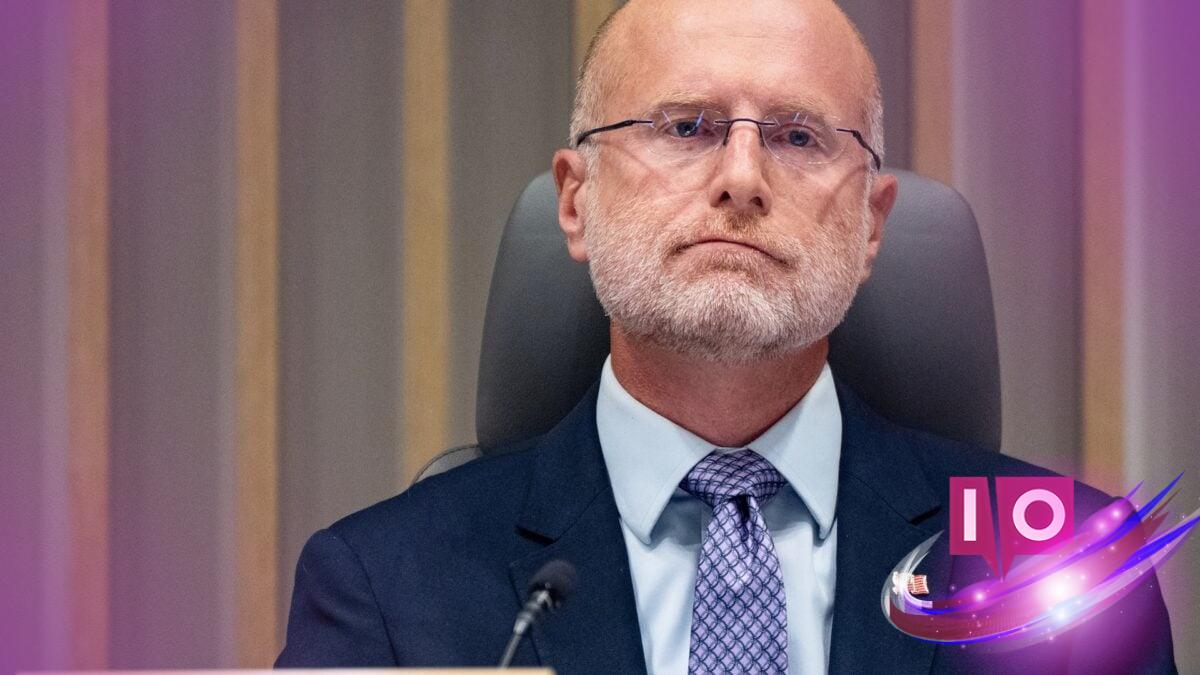
The FCC is at a pivotal moment, contemplating a significant shift in U.S. media ownership rules. They’ve announced a review of regulations that currently prevent a single company from owning more than one of the major four broadcast networks: NBC, ABC, CBS, and Fox.
This regulation has been in place since the 1940s, ensuring that these critical media outlets remain under separate ownership. NBC is owned by Comcast, ABC by the Walt Disney Company, CBS by the merged Paramount Skydance, and Fox by the Fox Corporation. The potential changes could lead to a concentration of media power unlike anything we’ve seen before.
The FCC is also considering another rule limiting ownership to two of the largest TV stations in the same market, alongside regulations about radio station ownership. While these reviews are compulsory every four years, the current political climate amplifies the likelihood that significant changes could be introduced.
Recently, FCC Commissioner Brendan Carr drew national attention after making controversial remarks about comedian Jimmy Kimmel, who hosts Jimmy Kimmel Live. Carr used Kimmel’s comments regarding another public figure, Charlie Kirk, as a backdrop to suggest consequences for those airing Kimmel’s show. The media landscape is closely watching how this will unfold.
Local station groups like Sinclair and Nexstar even threatened to stop airing Kimmel’s show, prompting Disney to temporarily pull it. After a week of public outcry and the loss of approximately 1.7 million subscribers in a short time, Disney chose to bring Kimmel back, reflecting the pressures of public sentiment and viewership.
Former President Donald Trump has openly criticized late-night comedians, celebrating CBS’s cancellation of Stephen Colbert. He suggested that Kimmel, Jimmy Fallon, and Seth Meyers might be next on the chopping block. Meanwhile, Carr faced backlash for his claims after downplaying the severity of his comments regarding Kimmel and TV networks.
In a statement, Carr insisted no actual threat was made. However, many debate the legitimacy of that claim, especially given the political context and the reality of media influence in today’s society. Trump has even suggested TV networks that criticize him should lose their licenses, sparking serious concern about the freedom of the press in the future.
How will these potential regulatory changes impact the media landscape? The ramifications could fundamentally alter the way content is created and consumed, raising questions about diversity, representation, and the role of media in a democratic society.
What does this review mean for media ownership in the U.S.? If the FCC decides to relax the regulations, we may see more conglomerates acquiring multiple networks or stations, changing how news and entertainment are presented and what voices are amplified within those platforms.
What is the timeline for the FCC’s decision? While these reviews are routine, significant changes typically require time for consideration, public input, and potential legislative action. The urgency of the current climate might accelerate these processes, so it’s wise to stay tuned for updates.
Can media ownership impact public opinion? Absolutely. Ownership concentration can limit the diversity of viewpoints presented, which may affect public perception and discourse on critical issues. This possibility raises questions about the future of objective journalism and the representation of different communities in mainstream media.
Will the proposed changes have bipartisan support? That remains to be seen. Media ownership is a complex issue that often invokes varied opinions across the political spectrum, making it challenging to predict the level of consensus or resistance these potential changes will face.
As we navigate these tumultuous times, the future of media ownership rests in the balance. Stay informed and engaged with this issue, as it impacts not just the media landscape but the fundamental freedoms we often take for granted. For more insights on media trends and developments, explore more content at Moyens I/O.