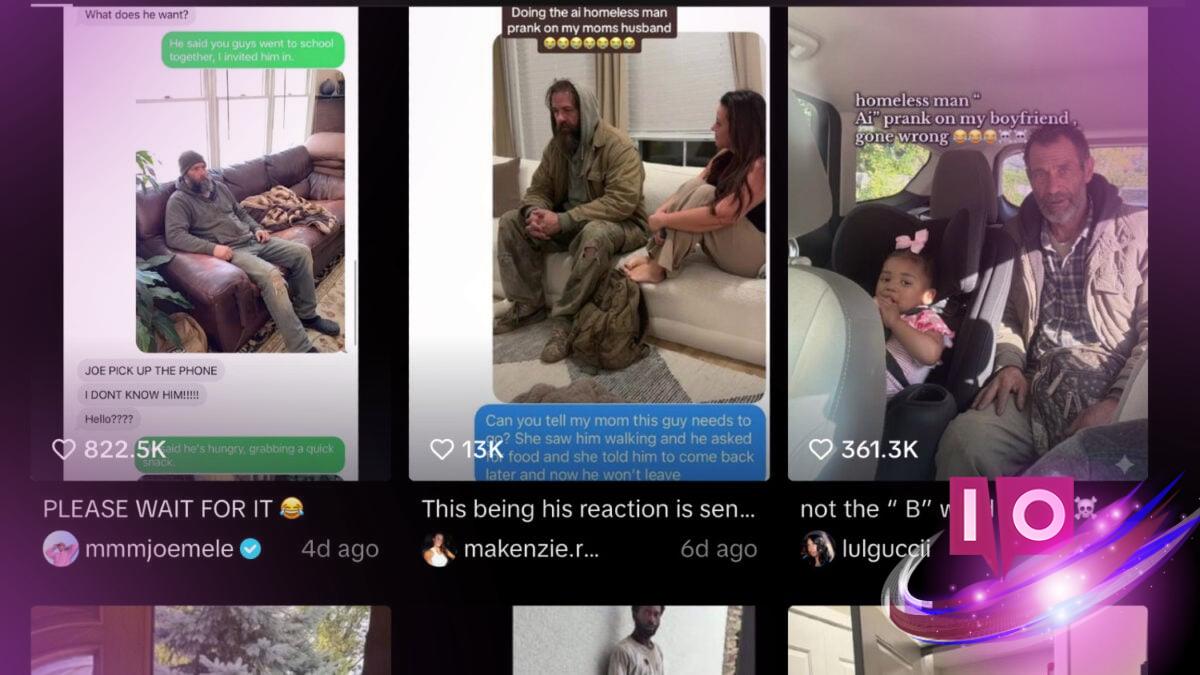
In the world of pranks, a new trend has emerged that leverages generative AI in a surprising and alarming way: children are creating AI-generated images featuring homeless individuals in their homes and sharing these images with their unsuspecting parents. This has caused significant panic, with some parents even calling the police in response to the fictional scenarios.
As this trend gains traction on social media, particularly on platforms like TikTok, it raises important questions about the ethical implications of using technology for pranks and the potential risks involved.
1. What is the “Homeless Man Prank”?
The premise of this prank is straightforward: kids use generative AI tools to create images of individuals, typically depicting them as unkempt and resembling homeless people. They then claim that this person has come into their home, often stating that the individual knows their parents or simply wants to take a nap. The goal is to provoke a humorous but frantic response from parents, which often involves demands to evict the supposed intruder.
2. Why is This Becoming a Trend?
This trend has exploded on platforms like TikTok, with the hashtag #homelessmanprank accumulating over 1,200 linked videos. Many users share their parents’ shocked reactions, and some videos have garnered nearly a million likes. Tutorials on generating these images, mostly utilizing AI tools from apps like Snapchat, have proliferated online, suggesting an increase in the prank’s popularity.
3. Is There a Serious Side to This Prank?
While pranks can be lighthearted fun, this particular example exploits the sensitive issue of homelessness, resulting in inappropriate comments and behavior from parents who believe they are facing a real threat. More alarming, however, is that the prank has escalated dangerously in some instances, with worried parents calling law enforcement.
4. What Are the Consequences Involved?
Police departments across the country have issued warnings about the repercussions of this prank. For instance, the Round Rock Police Department in Texas reported multiple false alarm calls sparked by this trend. They pointed out how these hoaxes tie up emergency resources and could potentially delay responses to genuine emergencies. This concern was echoed by other departments, like those in Washington and Massachusetts, which have also dealt with similar incidents, explaining that these false reports could create dangerous situations for officers responding with potentially aggressive measures.
5. Are There Legal Ramifications?
While the prank might seem harmless, legal issues could arise. For example, a Californian man faced jail time for another prank involving dog poop, illustrating that pranks can sometimes land participants in trouble with the law.
Will kids continue exploring new boundaries with technology? This question remains prominent in light of recent incidents. As parents, it’s vital to educate young ones about respecting others and the consequences of their actions—especially when it involves sensitive societal issues.
Is it wise to use technology for pranks? The moral implications of these trends warrant serious consideration. As society becomes more intertwined with advanced technology, teaching responsible usage is essential.
How can parents address these pranks with their kids? Engaging them in open and honest discussions about the seriousness of pranks that may exploit vulnerable individuals can foster understanding and empathy.
With such pranks surfacing in popular culture, exploring ethical boundaries becomes ever more crucial. It’s essential to enjoy humor without crossing lines that could harm or exploit real-life situations.
Want to learn more about social media trends or technology’s impact on our lives? Continue exploring related topics on Moyens I/O.