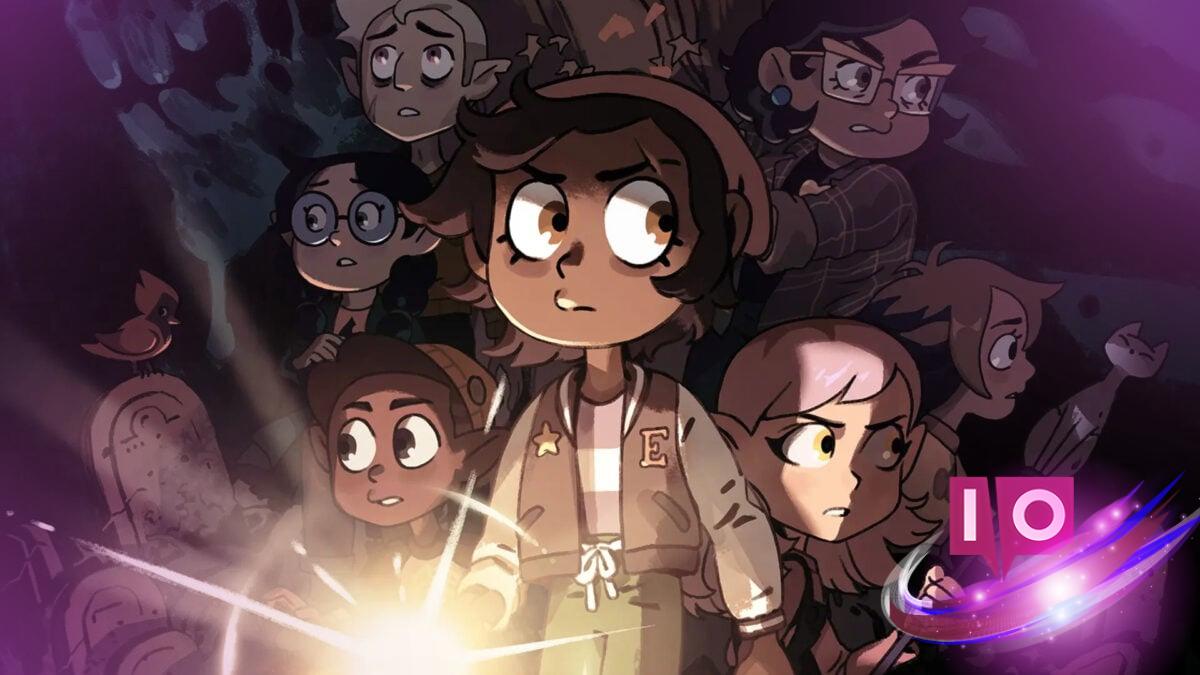
Last week, Disney CEO Bob Iger announced the company plans to introduce AI-generated, user-generated content on Disney+. This bold move has sparked strong reactions, particularly from Dana Terrace, the creator of the animated series The Owl House. Terrace has made her position very clear.
In a candid tweet on November 13, Terrace urged her followers to “Unsubscribe from Disney+. Pirate Owl House. I don’t care,” adding a strong remark against generative AI. She further emphasized her thoughts with another post, declaring, “PICK UP A PENCIL OR DIE.”
Unsubscribe from Disney+. Pirate Owl House. I don’t care. Fuck gen AI.
— Dana Terrace (@DanaTerrace) November 14, 2025
Terrace’s comments strike a chord with many creators in the animation industry who share her concerns about AI technology, often viewed as a form of copyright infringement. She refuted the common defense that AI allows non-creative individuals to explore their creativity, stating that every filmmaker and artist she knows are regular people working tirelessly with limited resources to create art.
These statements are particularly poignant considering Terrace’s generally supportive stance towards Disney since The Owl House concluded its three-season run. While she has been outspoken about the lack of support for her show, she has emphasized moving forward with her current project, Knights of Guinevere, and has set aside any thoughts of a spinoff or revival.
In the changing landscape of animation, the tension between traditional artistry and emerging AI technologies raises important questions about creativity, ownership, and artistic integrity. How will this impact the future of animation and storytelling?
What does generative AI mean for creators in the animation field?
Generative AI introduces tools that can create content but raises concerns about copyright infringement and the potential devaluation of traditional artistry.
Is AI technology a threat to traditional forms of creativity?
Yes, many artists view AI as a threat since it can replicate styles and techniques, potentially undermining the originality and personal touch that define traditional art.
How can artists protect their work in an AI-driven industry?
Artists can protect their work through copyright laws, advocating for fair practices surrounding AI usage, and remaining engaged in discussions about the ethical implications of technology in art.
What are the potential benefits of AI in creative industries?
While some view AI as a threat, it can also enhance creativity by providing new tools and resources, allowing creators to experiment and refine their work more efficiently.
The conversation around AI and creativity is evolving. It’s crucial for artists and creators to voice their opinions and engage in the dialogue about its implications on the future of storytelling. For insights and updates about the latest in entertainment and creativity, consider exploring more on Moyens I/O.