As excitement around artificial intelligence surges, concerns about a potential AI bubble are gaining traction. Industry experts, including those from the Bank of England and prominent investors like Michael Burry of “The Big Short,” are starting to voice their skepticism about the rising valuations of AI stocks.
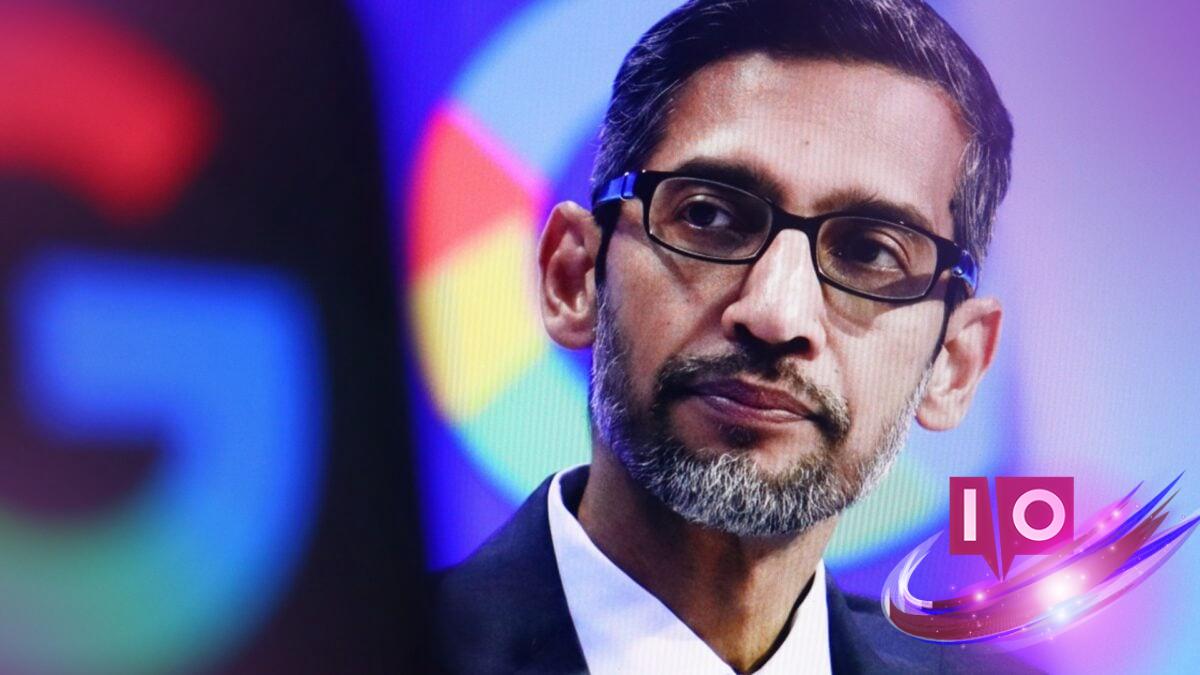
This sentiment is echoed by tech leaders, with Sam Altman expressing in August that investors might be “over-excited” about AI, and Jeff Bezos recently labeling AI as an “industrial bubble.” Now, even Google CEO Sundar Pichai has weighed in.
Understanding the Current AI Landscape
Pichai spoke candidly during a recent BBC interview, stating, “the excitement is very rational,” but also pointed out the collective tendency of the industry to overshoot during investment cycles. He compared the current AI landscape to the dot-com bubble, which led to a staggering $5 trillion loss in market value when it burst.
He remarked, “There was clearly a lot of excess investment in the internet era, but none would question its profound impact on society.” Similarly, he believes AI holds the same transformative potential. This perspective not only illustrates the optimism surrounding AI but raises crucial questions for investors and businesses alike.
The Reality Check: Job Market and Investment Trends
Despite the optimism, there’s increasing anxiety among AI advocates about the possibility of an impending bubble burst. Recent developments, such as Meta downsizing its AI department after a hiring surge, have fueled these worries. SoftBank and Peter Thiel’s hedge fund, Thiel Macro, have reportedly sold their stakes in Nvidia just ahead of its earnings report, further raising eyebrows.
Pichai stressed that “no company is going to be immune” if the hypothetical AI bubble bursts, including Google, even if they are “better positioned.”
Google has greatly benefited from the AI hype, with its parent company, Alphabet, surpassing a $3 trillion market cap in September. The tech giant is actively investing billions in expanding its AI offerings, particularly their top product, Gemini.
Financial Implications: Is AI Sustaining the Economy?
As tech companies across the board invest huge sums into AI, Pichai revealed that over “a trillion dollars of investment” is aimed at building AI infrastructure. Deutsche Bank noted that the magnitude of current AI spending might be supporting the U.S. economy in a significant way.
However, an MIT report from August cast a shadow over this investment enthusiasm, indicating that just 5% of businesses utilizing AI are experiencing tangible revenue gains. This disparity raises critical questions about the long-term viability of such massive investments.
Navigating an AI-Integrated Future
Pichai remains hopeful, asserting that AI is the trajectory for future societal development. He offered advice on acclimating to an AI-driven world, stating that everyone in various professions should embrace AI in their work to adapt to the imminent changes. Yet, he cautioned that AI technology is prone to errors—unlike Google Search, which aims to deliver accurate information consistently.
As we navigate this evolving landscape, here are some commonly asked questions:
Will there be job losses due to AI advancements?
While some jobs will evolve, certain roles may indeed be displaced as AI technology integrates more deeply into various sectors.
How can businesses prepare for an AI-driven future?
Businesses should invest in AI training for their employees and explore AI tools that enhance productivity and efficiency.
Is AI spending sustainable in the long run?
While current investments are substantial, the long-term sustainability depends on tangible revenue generation and market adaptation to AI technologies.
What impact could a potential AI bubble burst have on the economy?
Should a bubble occur, it could lead to significant market corrections, impacting various sectors that have heavily invested in AI.
For those captivated by AI’s potential, it’s essential to keep a watchful eye on market dynamics and trends. The conversation is only beginning, and as we approach an AI-dominated future, remaining informed will be crucial for navigating this landscape successfully.
Continue exploring the rapidly evolving world of technology and investment insights at Moyens I/O.