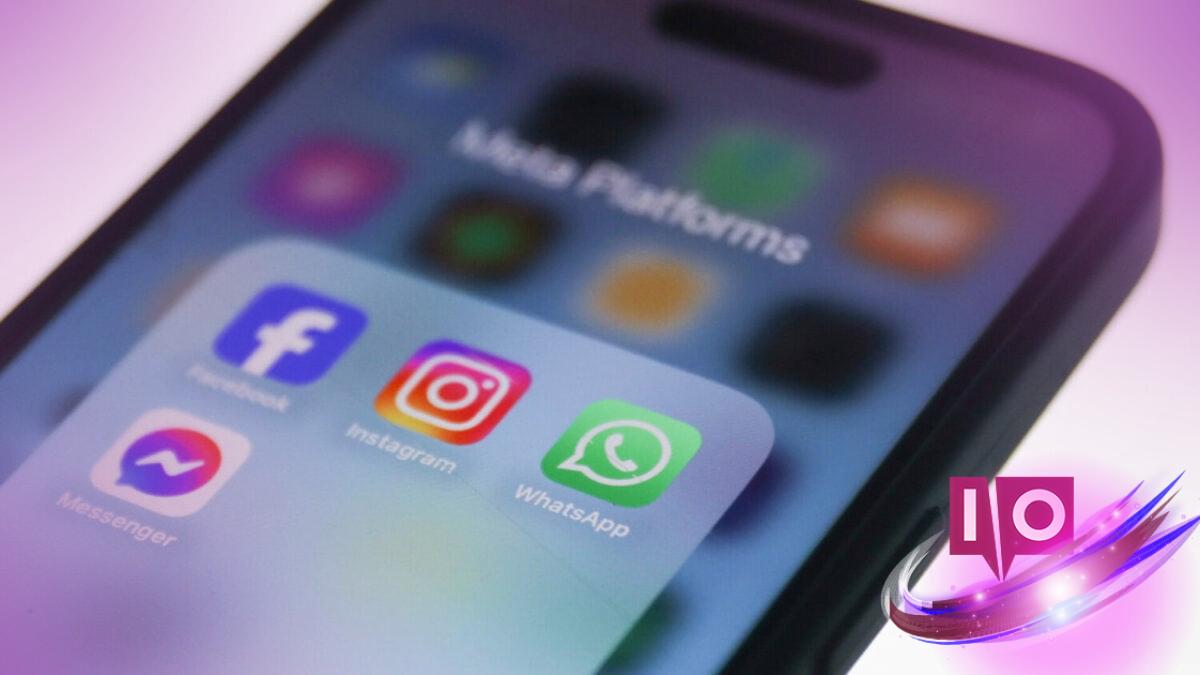
Big news for those in monopoly positions: If you manage to fend off regulators long enough, a new disruption could sweep in and shift your status after years of unchallenged control, potentially turning you into a competitive player while still enjoying the perks of monopoly.
Recently, Judge James Boasberg confirmed that Meta has not established an illegal monopoly over social media. This decision stems from the emergence of competitors like TikTok, which have changed the landscape significantly.
The case took five years to unfold and came over a decade after Facebook’s acquisitions of Instagram and WhatsApp. The judge ruled that the Federal Trade Commission (FTC) failed to demonstrate that Meta currently holds monopoly power in the social media advertising market. Boasberg highlighted, “Whether or not Meta enjoyed monopoly power in the past, the agency must show that it continues to hold such power now.” The verdict indicates that the FTC could not substantiate this claim.
This outcome seems quite favorable for Meta’s CEO, Mark Zuckerberg. He previously expressed a clear intent to dominate the space through acquisitions, stating in leaked messages, “It is better to buy than compete,” and emphasized that he viewed these purchases as a way to buy time and incorporate competitors’ features before they could compete effectively.
In his ruling, Judge Boasberg pointed out a crucial observation: “people treat TikTok and YouTube as substitutes for Facebook and Instagram, and the amount of competitive overlap is economically important.” This suggests that there is significant competition that the FTC did not effectively show.
Social media dynamics have shifted since Meta’s strategic purchases—it’s become significantly video-centric, with platforms like TikTok and YouTube now leading the pack. Boasberg noted that consumers are spending more time on these rivals than on Meta’s platforms, which has compelled Meta to invest heavily just to keep pace. While this critique may sting, it comes with the perk of avoiding a breakup or divestment.
Meta isn’t alone among Big Tech in evading severe antitrust measures amid this quickly evolving environment. Google also escaped tougher penalties related to its search monopoly, thanks to the introduction of generative AI, which could potentially disrupt its dominance as well.
What happens if Meta’s competition expands further? Only time will tell how technological advancements and emerging applications impact their market position.
Is there still a monopoly in social media today? Despite previous allegations, the current ruling suggests that Meta doesn’t have an illegal monopoly now, mainly due to the competitive landscape that has changed with new platforms.
How does competition affect the market share of big companies like Meta? The emergence of competitors such as TikTok significantly affects market share by diverting users’ time and attention, leading to increased competition for advertising dollars.
What are the implications of the ruling for future acquisitions in the tech world? This ruling could create a precedent that influences how regulators approach future mergers and acquisitions within technology sectors, constructing a higher threshold for proving monopoly status.
As the conversation around monopolies and competition evolves, it’s crucial for consumers and stakeholders to stay informed. The shifting landscape presents new opportunities and challenges for businesses. Explore further developments at Moyens I/O.