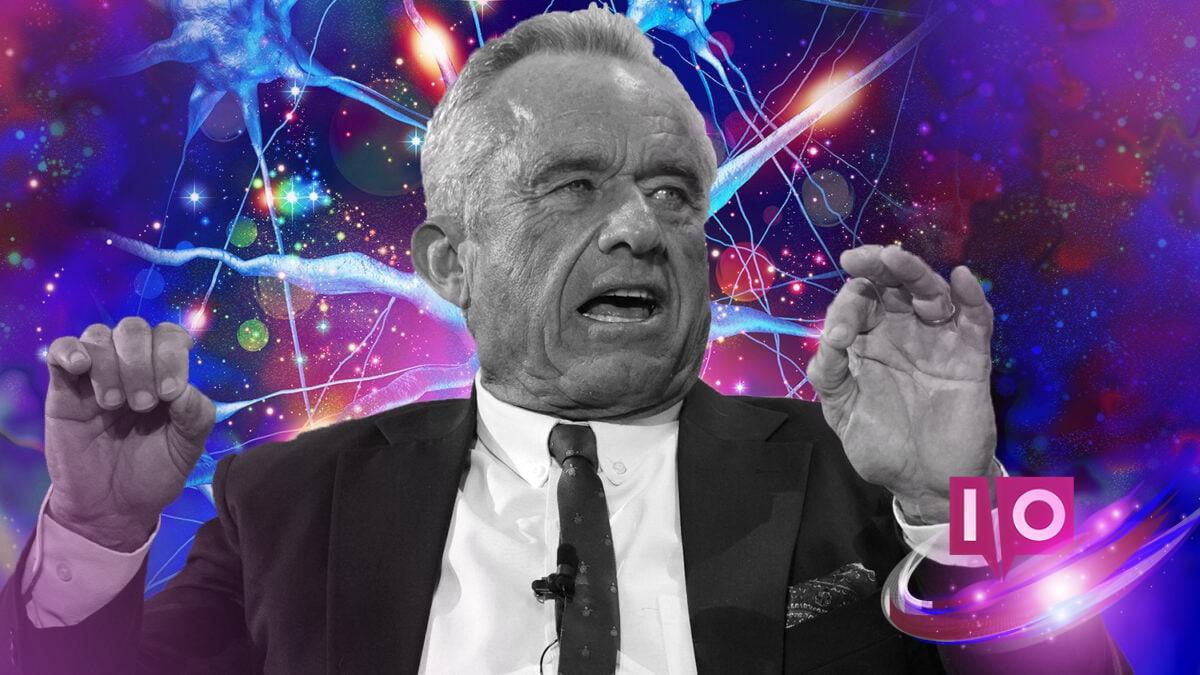
Robert F. Kennedy Jr. stands out as a figure of paradoxes, embodying a blend of environmental advocacy and connections to prominent political figures, most notably Donald Trump, who has often been criticized for his pro-fossil fuel stance. It’s intriguing how Kennedy balances his public persona as an approachable everyman with the reality of being a member of a wealthy political dynasty, known for some peculiar habits like storing roadkill and discussing the decapitation of beached whales. Notably, he’s also been embroiled in personal controversies, particularly relating to his long-term marriage and alleged affairs.
One of the more sensational stories recently making headlines involves Olivia Nuzzi, formerly of New York magazine, who reportedly engaged in a chaste affair with Kennedy during her coverage of his political campaign. This connection has propelled Nuzzi into the spotlight with the upcoming release of her book, American Canto, where she shares intimate revelations and admissions made by Kennedy. Though the book will be available next month, early reviews highlight some astonishing disclosures about Kennedy’s admissions regarding drug use and even claims related to an alleged “worm” in his brain.
In a recent profile by the New York Times, Nuzzi describes how Kennedy, despite being sober for decades, admitted to experimenting with DMT, a psychedelic that reportedly provokes profound auditory and visual hallucinations. In her book, she mentions:
“She writes that despite being ‘sober’ for decades, Kennedy told her that he still uses psychedelics, and even smoked dimethyltryptamine, or DMT, a powerful drug on which people are known to have what feel like near-death experiences.”
This revelation isn’t just intriguing; it fits a growing trend favoring the legalization of psychedelics, which has gained traction among some conservatives in recent years. As Kennedy ramps up support for clinical studies on psychedelics, he argues that these therapies could offer significant benefits to those who need alternative treatments.
Kennedy stated confidently at a recent House hearing, “These are people who badly need some kind of therapy; nothing else is working for them. This line of therapeutics has tremendous advantage if given in a clinical setting, and we are working very hard to make sure that that happens within 12 months.”
In a curious twist addressed in American Canto, Nuzzi reveals that Kennedy refuted the existence of the so-called “worm” in his brain, a topic that has generated laughs online. This incident refers to a reported event in 2010 when a parasite affected Kennedy’s grey matter. According to Nuzzi, he assured her:
“It’s not a worm,” referencing a doctor he trusted who reviewed his scans. Yet, the idea has morphed from a medical issue to an urban legend that both captivates and perplexes the public.
As the story unfolds, Nuzzi maintains that their relationship never crossed physical boundaries, characterizing it as one of emotional connection via phone and internet. Meanwhile, Kennedy has refuted these claims, and his wife, Cheryl Hines, publicly denounced Nuzzi as “a fucking liar” in response to the claims surrounding the affair.
On the topic of affairs, Nuzzi has also faced allegations of involvement with Mark Sanford, a politician from South Carolina, adding another layer of intrigue to her narrative and experiences in the world of political reporting.
What does it mean for Robert F. Kennedy Jr.’s future amid these scandals? Can public figures maintain credibility amidst personal controversies? As details continue to emerge, the public’s fascination grows. The stories of power, privilege, and personal relationships remind us of the complex nature of personal lives shared in the public eye.
Is Robert F. Kennedy Jr. a credible environmentalist despite his ties to political figures like Trump? The duality of Kennedy’s public persona invites skepticism but also sparks essential discussions about environmental advocacy in a polarized political climate.
Can psychedelics play a role in therapeutic practices as Kennedy suggests? The rising interest in psilocybin and similar substances indicates a shift in public perception regarding mental health treatment methods that could transform the way we approach mental wellness.
Has Olivia Nuzzi’s book impacted public perception of Kennedy? With potential revelations about Kennedy’s life and the scandals enveloping him, Nuzzi’s portrayal may influence how both supporters and detractors view Kennedy going forward.
What’s next for Nuzzi now that her narrative is out in the open? As she steps into a new chapter as an editor at Vanity Fair, the ensuing discussions surrounding her accounts will likely shape her career path and public influence.
These encounters with public figures often leave us questioning the interplay between personal lives and public personas. Considering the complexities presented here, it’s evident that understanding the multifaceted nature of such individuals remains essential to grasping larger socio-political dynamics. For more insights and stories, continue exploring related topics at Moyens I/O.