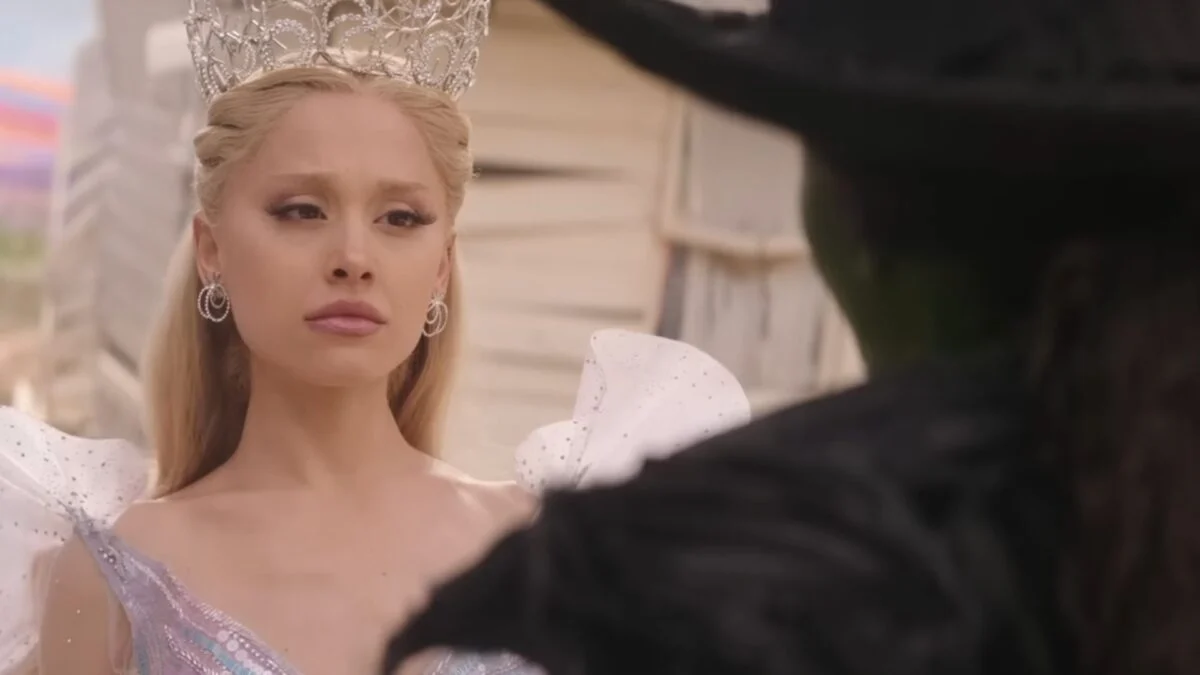
The much-anticipated finale of Universal Pictures’ adaptation of Wicked has finally arrived in theaters, offering a new perspective on the tale we thought we knew about Dorothy’s journey to Oz. Yet, the film leaves viewers hanging on the details, especially regarding Dorothy’s brief appearance after her house lands on the Wicked Witch of the East. Thanks to Glinda’s (Ariana Grande) whims, Dorothy finds herself on a journey with shoes that aren’t hers, setting the stage for an intriguing story.
Wicked: For Good shines with its unforgettable music and the deep bond between Elphaba (Cynthia Erivo) and Glinda, somewhat overshadowing the lighter touches on L. Frank Baum’s original tale and MGM’s The Wizard of Oz. However, many narrative choices spark more questions than they offer clarity by the film’s end.
Audiences hoped for an innovative interpretation from visionary director Jon M. Chu, especially after the initial installment of Wicked crafted a magical revision of Oz that captivated viewers globally. While the stage musical zooms in on the dynamics between the good and wicked witches, the cinematic adaptation expands the ensemble, focusing more on Nessarose (Marissa Bode), Fiyero (Jonathan Bailey), and Boq (Ethan Slater). Yet, this expanded narrative left numerous storylines unaddressed, making one yearn for a stroll down the yellow brick road to seek answers from the Wizard.
Here are the burning questions that linger and resonate after viewing Wicked: For Good.
1. Who genuinely supports the Wicked Witch?
The film doesn’t clarify whether Elphaba’s quest to free the animals has garnered her any allies in the years between Wicked and Wicked: For Good. Oz loathes her for allegedly stealing the Grimmerie and aiding the escape of animals. Ironically, the animals, including winged monkeys and the Cowardly Lion, detest her for her help. Meanwhile, Glinda and Fiyero appear to follow the narrative set by the Wizard and Morrible that she needs to be caught but fail to advocate for their friend publicly.
2. Why is Dorothy’s storyline absent in the film?
In the stage version, presenting Dorothy through shadowplay works since it’s not a two-part story. The audience knows it’s an alternate narrative and doesn’t need backstory. However, Wicked: For Good broadens the relationships, particularly Elphaba’s sisterhood with Nessarose, yet neglects Dorothy’s role as a compelling entry point into the drama among the three witches. Given that many viewers first encounter Oz through Wicked, it could have enriched the narrative to flesh out how a Kansas teen becomes a pivotal player in the witches’ lives.
3. Why does Fiyero seem oblivious around Boq?
Fiyero transforms into the Scarecrow, joining Dorothy on her journey, yet he appears detached from Boq’s turmoil. In Wicked: For Good, Boq’s struggles with Nessarose propel his journey. His fixation on Glinda persists, yet there’s no resolution to his obsession, leaving viewers perplexed about his character arc and motivations.
4. When do Fiyero and Elphaba devise the plan to fake her death?
The enchanted poppy field could have established when they concoct their strategy. A simple moment could clarify their understanding and strategy before Boq interrupts, enhancing the storyline.
5. Is Boq still infatuated with Glinda?
This question lingers because even with a heart, his fixation on Glinda seems unresolved. Does obtaining a heart mean he reverts to his stalker tendencies, only now more frightening? Glinda arguably remains unaware of the repercussions of her actions, leaving Boq’s unresolved narrative frustrating.
6. Has the Wizard ever been viewed as a fraud?
Upon leaving Oz, realizing the implications of his actions, he returns to his balloon, but the Emerald City’s relief feels puzzling. His manipulation and exploitation of the animals lend to questions about his character, leaving the audience seeking deeper explanations.
7. Did anyone recognize Madam Morrible as the true antagonist?
The film fails to illustrate why Morrible’s schemes are overlooked. Understanding her complex motivations could provide needed texture to her character. Her punishment feels too lenient given her heinous actions, leaving viewers desiring more substantial resolutions.
8. Why does capturing animals eliminate their ability to speak?
The film hints at the symbolism of caging animals silencing them. However, insights into whether their voices were magically taken away or if the cages transformed them into typical creatures are missing. The re-entry of Dillamond adds a layer of complexity yet lacks satisfying resolution.
9. How does Dorothy make her way home?
Elphaba’s anthem about home resonates strongly with Dorothy’s journey. But the film fails to properly connect Dorothy’s magic shoes to her return home. A reprise could have clarified the emotional stakes of Elphaba’s journey, solidifying her ultimate choice to leave or stay.
10. Why does Elphaba decide to abandon shoes and Oz?
Elphaba’s motivation shifts dramatically throughout Wicked: For Good. She struggles with her identity and commitment to defending Oz yet decides to relinquish that fight. After a pivotal moment with Glinda, the abrupt shift feels jarring, leaving her journey seemingly incomplete.
Want more insights and updates? Discover the latest buzz in Marvel, Star Wars, and Star Trek, and stay informed about the upcoming DC Universe projects.
In conclusion, Wicked: For Good invites us to reflect on deeper themes of friendship, loyalty, and identity while posing more questions than answers. If you’re eager for more captivating stories and insightful articles, explore content at Moyens I/O.