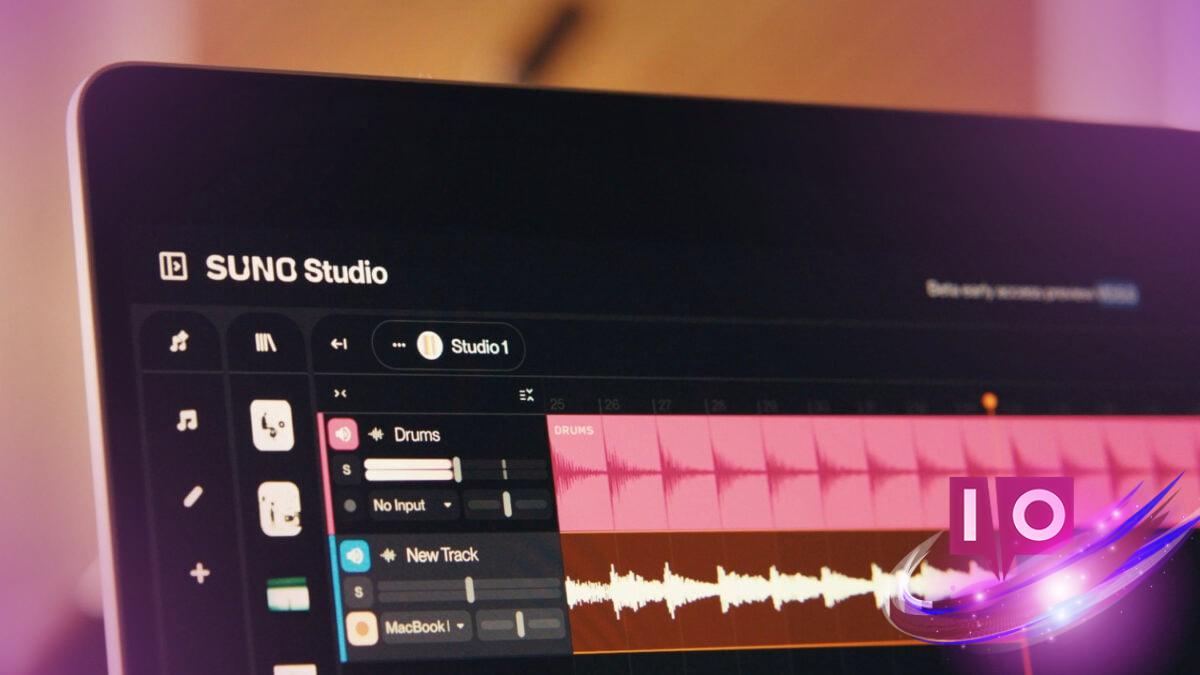
Have you ever dreamed of creating your own music but faced barriers like cost or access to resources? You’re not alone. Recently, Rosie Nguyen, head of creators at the AI music platform Suno, shared her feelings on X about the financial challenges aspiring musicians often face. “I grew up singing,” she expressed, “But wanting to be a musician in 2006 required resources that a low-income family didn’t have. My parents couldn’t afford to get me any instruments. They couldn’t pay for music lessons. They couldn’t get me into studios.”
Fortunately, Nguyen believes those obstacles are being addressed. With Suno’s innovative platform, anyone can now dive into music creation without hefty costs. In her words, “I am beyond proud and honored to work at a company that is enabling music creation for everyone.” Suno recently completed a $250 million funding round, valuing the company at an impressive $2.45 billion. This valuation reflects not only its mission but also its massive user engagement.
Each day, Suno users generate around seven million songs, equating to the total tracks currently available on Spotify in just two weeks. Interestingly, the primary user base consists of young men who dedicate over 20 minutes daily to crafting their music. This accessibility to music production is a dream come true for many, including a young Nguyen. However, Suno’s approach raises some concerns.
Despite its significant operations, Suno reportedly spent only $2,000 on music for training its models—an exceptionally low figure given the vast depth of its capabilities. Major labels like Sony, Universal, and Warner are pursuing legal action against the company for allegedly scraping songs without proper licensing, claiming copyright infringement “at an almost unimaginable scale.” This has sparked debates about the ethical implications of AI in the music industry.
As the discussion evolves, questions arise about the value of creativity in an age where technology facilitates music production at a fraction of the cost. Suno’s model democratizes music creation, but does it come at the expense of the artists who laid the groundwork?
What are the implications of AI tools like Suno on the music industry? The debate highlights potential employment concerns for musicians. If AI can replicate the sounds and styles of human creativity, what does this mean for future artists?
Are platforms like Suno beneficial for emerging artists? These platforms can indeed lower barriers, enabling more individuals to explore their musical talents. However, questions about fair compensation for original artists remain pressing.
How does Suno generate songs without relying on costly music data? By utilizing scraping methods for publicly available music, Suno has created a vast dataset. This raises important discussions about copyright laws in the digital age.
Finally, as musicians and tech companies navigate this terrain, what does the future hold for music authenticity? Transparency in music generation and fair royalties for artists will be essential for a balanced ecosystem.
In summary, Suno’s transformative approach to music creation presents both opportunities and challenges. While it opens doors for aspiring musicians, the methods employed must be examined to create a fair environment for all artists involved. If you’re interested in exploring more about how technology is impacting different industries, be sure to check out Moyens I/O.