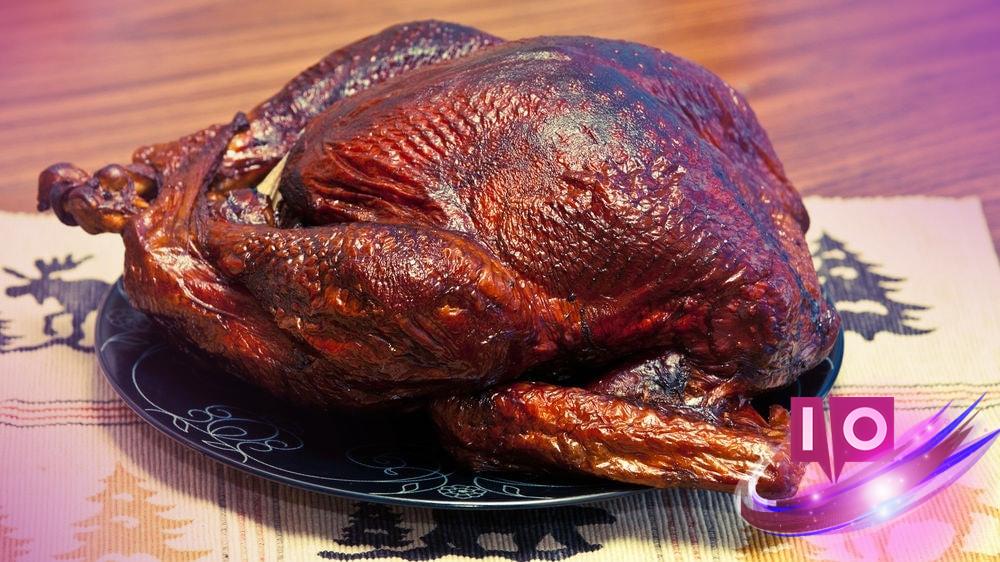
With Thanksgiving right around the corner, many home cooks are turning to artificial intelligence (AI) for assistance in preparing their holiday feasts. While this may seem convenient, a recent report from Bloomberg reveals a troubling trend: reliance on AI tools is impacting the traffic of traditional recipe authors who provide time-tested techniques and personal stories.
This year, many recipe creators are seeing a staggering drop in website views, with some reporting decreases between 40% and 80% during the holiday season. This scenario echoes previous experiences where incorrect AI-generated information led users to absurd conclusions, such as the infamous advice to eat rocks daily.
1. The Rise of AI in Cooking
As people seek quick answers, AI Overviews in Search are providing instant snippets of information without requiring users to engage with detailed recipes. While this might save time in the short term, it presents significant challenges for both creators and cooks alike.
2. The Impact on Recipe Creators
Recipe developers invest countless hours crafting their dishes, refining techniques, and documenting their culinary journeys. The emergence of AI has disrupted this ecosystem, siphoning traffic away from their hard-earned work. The decline in engagement not only affects individual creators but also undermines the diverse voices and unique perspectives that enrich the culinary landscape.
3. Risks of AI-Generated Recipes
When it comes to cooking, accuracy is crucial. Misinformation can lead to disastrous results. For example, one recipe creator suggested baking a Christmas cake at 160°C (320°F) for an hour and a half. An AI-generated version suggested an ill-advised three to four hours of baking time. Such discrepancies can turn a delightful dish into a culinary catastrophe.
4. Navigating Cooking Inspiration
Many social media platforms have become breeding grounds for AI-generated recipes. Browsing these sites may lead to recipes that appear appealing but lack the essential details that make a dish truly great. At best, these AI-generated meals may taste bland or mediocre. At worst, they could lead to potential hazards in the kitchen. Always exercise caution, especially when following unconventional cooking advice.
5. Exploring Traditional Cooking Resources
This holiday season, consider reaching for a trusted cookbook or family recipe to guide your culinary adventures. Not only will you avoid the pitfalls of AI misguidance, but you’ll also connect with the rich traditions that make cooking a cherished activity.
What should I do if I find conflicting information in a recipe? It’s always best to trust established sources or consult multiple recipes to find a consensus before trying something new. This will help you avoid potential disasters.
Can I use AI to enhance my cooking skills? While AI tools can offer tips and inspiration, they should not replace thorough research or guidance from experienced cooks. Combining AI insights with human expertise leads to better results.
What are common mistakes people make when following online recipes? Users often misinterpret instructions or overlook critical steps due to the brevity of AI summaries. Always read through an entire recipe before starting.
Should I rely on AI for recipe suggestions? While AI can provide quick suggestions, relying solely on it can lead to inaccuracies. It’s wise to cross-reference with trusted recipe creators who have put time and effort into their work.
In conclusion, while it might be tempting to turn to AI for Thanksgiving cooking advice, it’s crucial to remember the value of traditional recipes and the expertise of seasoned cooks. For more insights and culinary inspiration, continue exploring content from Moyens I/O.