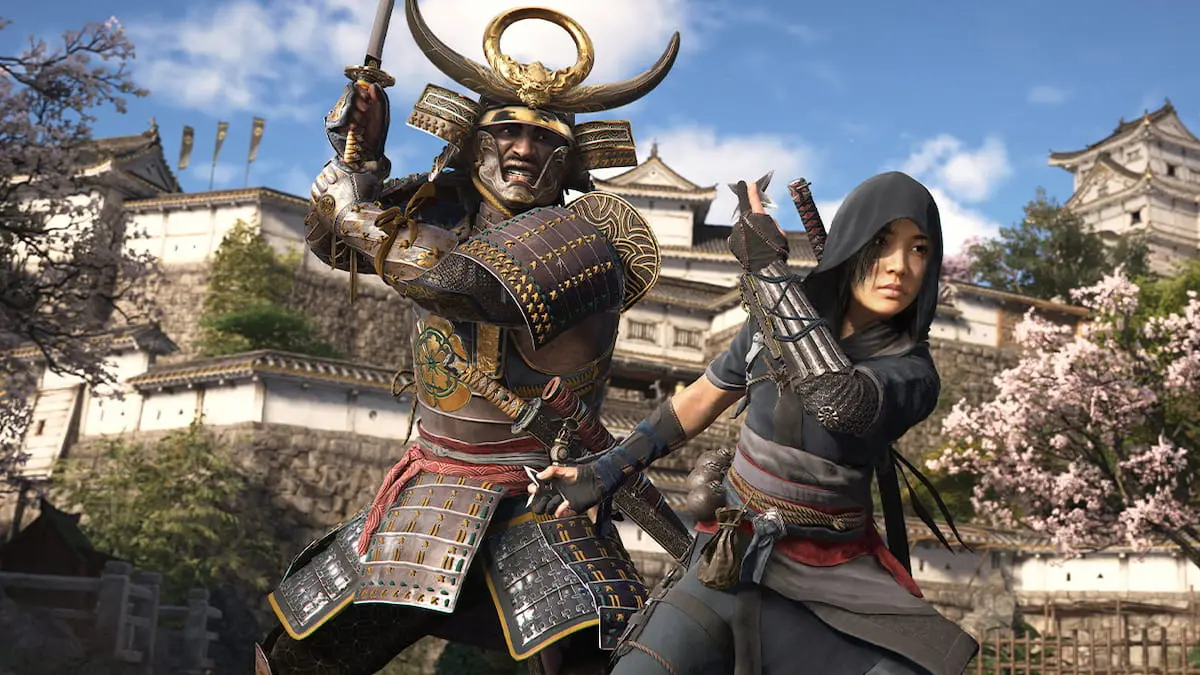
Microtransactions are frequently seen as a negative aspect of contemporary gaming. They’re central to the “games as a service” model, allowing publishers to generate billions without significantly enhancing their games. However, Ubisoft is putting forth a different perspective on this contentious issue.
Recently, Assassin’s Creed: Shadows launched its first Isu-related quest, titled “A Puzzlement,” which dives deeper into the game’s storyline. What’s most noteworthy is that this content is free, seamlessly integrated as an expansion to the narrative. Ubisoft contends that this would not have been viable without microtransactions, which they argue provide the funding necessary for these expansions.
“Microtransactions, for all the criticism it receives, enable us to create the Isu content, additional quests, parkour updates—the whole package,” stated Simon Lemay-Comtois, the associate game director for AC: Shadows (via IGN). The revenue generated from post-launch microtransactions, typically cosmetic items, seems crucial for funding these free updates and sustaining the game’s longevity.
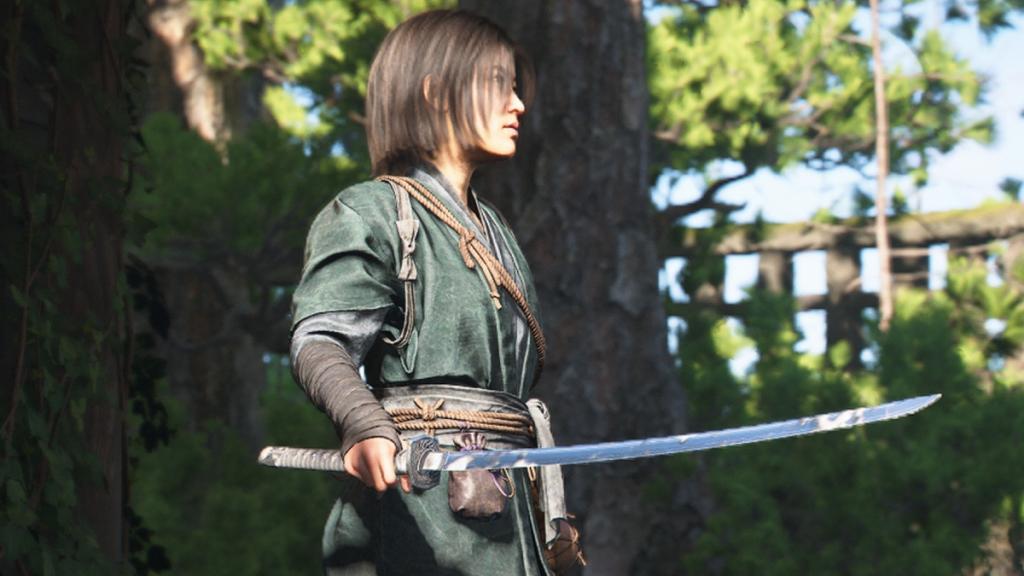
So, could microtransactions actually have a positive side? Despite my personal reservations about them, it seems they might not be entirely villainous.
One could argue that paid DLC or expansions, such as Phantom Liberty for Cyberpunk 2077, effectively leverage user investments while enhancing the game’s experience. However, these are often considered substantial transactions rather than micro.
This topic is divisive and has dominated discussions surrounding Ubisoft’s releases for several years. Are cosmetic items appropriate in paid, single-player games? Should players who invest $70 be asked for more cash to access exclusive armor and weapons? These questions linger, yet the reality is that microtransactions significantly contribute to ongoing support for these games.
Ultimately, that’s just how developers with quarterly goals operate.
What role do microtransactions play in modern gaming? They often provide essential funding for game expansions and updates. Whether or not you believe they enhance your gaming experience largely depends on individual perspectives.
Is it fair for gamers to buy items in single-player experiences? Many players feel that once they’ve paid for a full game, they shouldn’t have to spend more for cosmetic items. However, microtransactions can support continuous game development.
How do microtransactions affect gameplay? They mainly influence the cosmetic aspects of games rather than core play mechanics. This means your game experience often remains unchanged, with the added benefit of new customization options.
Can free content like DLC exist without microtransactions? It’s possible but increasingly rare in big-budget titles. Developers today often rely on microtransaction revenue to maintain the financial viability of free content.
Ultimately, as we navigate this evolving landscape of gaming, it’s vital to weigh the benefits and pitfalls of microtransactions. For more insights and discussions on gaming trends, I encourage you to continue exploring related content at Moyens I/O.