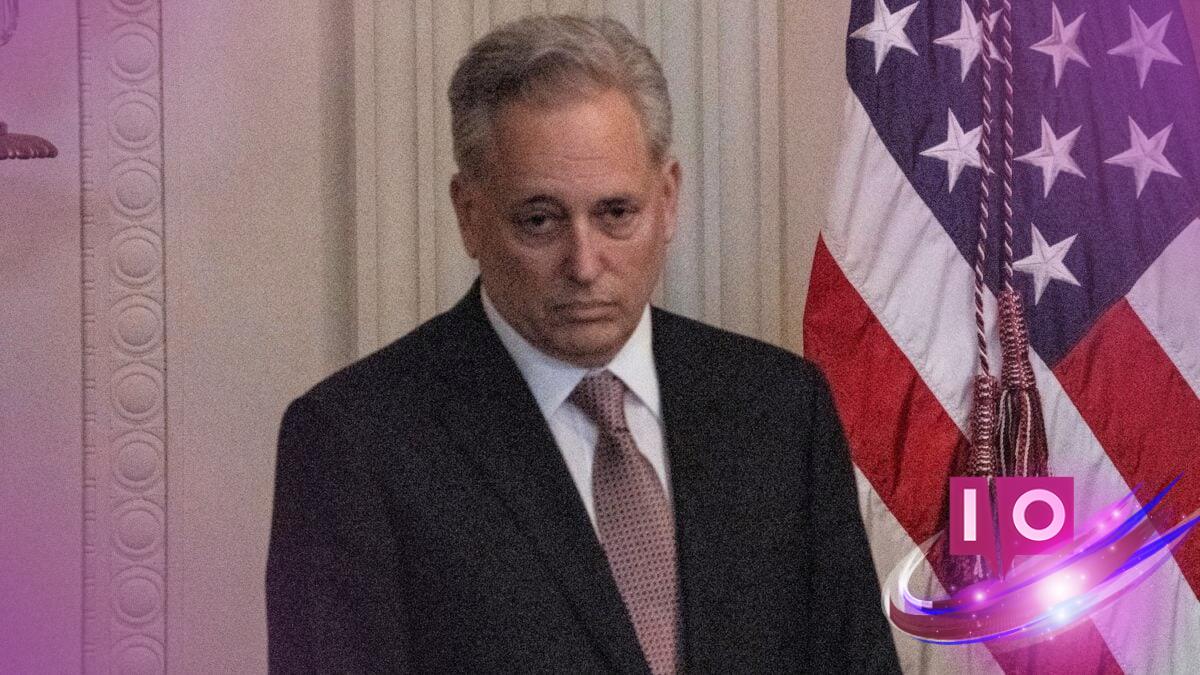
Recent revelations from a New York Times report scrutinize the financial dealings of David Sacks, President Trump’s advisor on AI and cryptocurrency. The disclosure raises serious questions about Sacks’ ability to provide unbiased advice in these influential sectors.
In the article, it is revealed that Sacks and his venture capital firm, Craft Ventures, are involved in 438 investments in companies that claim to be AI-focused—even if they aren’t strictly AI firms. This trend has become increasingly common, with many tech startups rebranding themselves as AI companies to keep up with the growing hype. For instance, a significant number of firms now stretch the definition of “AI” to ensure they remain relevant.
But the implications go beyond mere investment figures. Sacks, a billionaire podcaster known for his show “All-In,” is a notable figure in tech. His existing portfolio guarantees perceptions of a tech-driven policy landscape, raising concerns about the integrity of public policy, especially in an administration grappling with accusations of self-dealing.
The New York Times suggests that Sacks stands to gain financially from his recommendations, indicating a potential conflict of interest. Although a spokesperson for Sacks refuted this assertion, his holdings in AI-related companies, which have reportedly increased in value due to his policy suggestions, attract skepticism from observers.
In light of these developments, it’s crucial to consider the implications of wealth accumulation through stakes in impactful companies while serving in government roles. This narrative isn’t just about Sacks; it extends to other wealthy politicians too. For example, Nancy Pelosi’s publicly disclosed portfolio has drawn similar scrutiny regarding conflicts of interest.
One of the most striking examples from the Times piece is Sacks’ investment in Anduril Industries, a company specialized in AI-powered night vision goggles. This firm is part of the Craft Ventures portfolio and is now linked to U.S. military contracts. Following the introduction of an AI Action Plan that Sacks helped design, Anduril secured a $159 million contract with the Pentagon, further intertwining corporate interests with government policy.
Sacks’ connection to Anduril raises an intriguing question: does contracting with a company in which government advisors have stakes serve the public’s best interests? These concerns are magnified when the sector is already under scrutiny for corruption allegations tied to high-level government figures.
What are the potential consequences of having a tech czar with such vested interests in military contracts? In a different reality without figures like Sacks at the helm, one might wonder if essential questions about public spending on military technology would be raised with greater urgency.
Is David Sacks’ role as an AI advisor fundamentally problematic? His influence suggests that public policy may be overly shaped by the priorities of wealthy individuals, demanding closer examination as advancements in technology continue.
What does Sacks’ situation indicate about transparency in government? With immense wealth at play, the importance of transparency in political advising becomes paramount to retain public trust.
How does the AI hype in the tech industry affect legitimate innovation? The looming presence of companies rebranding as AI-driven could cloud the true potential of genuine advancements in the field.
In conclusion, it’s vital for citizens to stay informed about the connections between investment and public policy, particularly in rapidly evolving sectors like AI and cryptocurrency. For those interested in further exploring this topic and its implications, visit Moyens I/O for more insights.