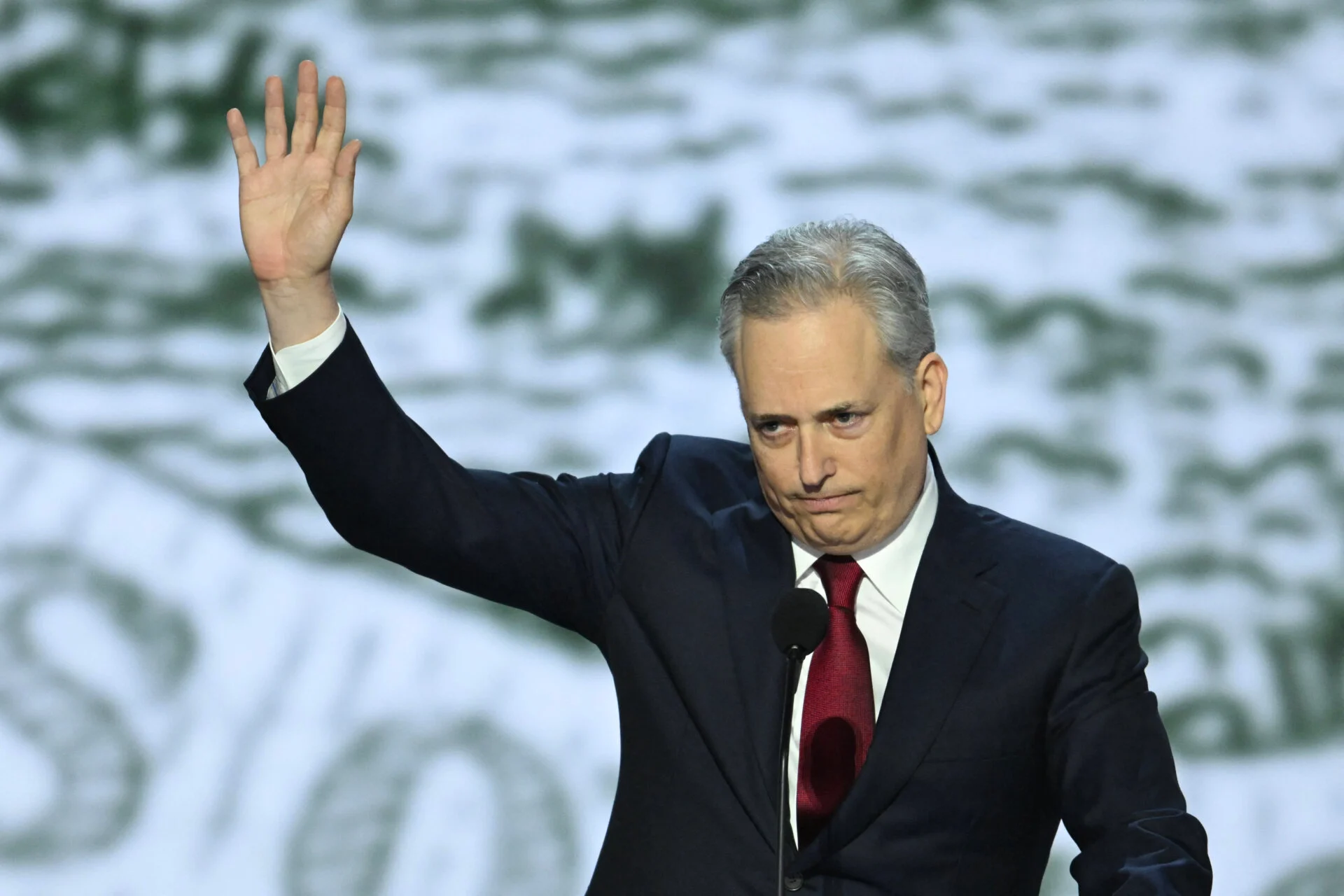
You might be surprised to learn that Silicon Valley is rallying behind David Sacks in the ongoing conflict between him and the New York Times. The Times recently published a piece outlining Sacks’s numerous conflicts of interest, including over 430 investments in crypto and artificial intelligence firms, while serving as Trump’s AI and crypto czar. This revelation has prompted many of his well-known supporters to argue that it’s beneficial for someone crafting policy in emerging technologies to have substantial investments in those very sectors.
Sacks has actively challenged the Times’ reporting, which emphasized how the venture capitalist granted tech executives exceptional access to the White House and appeared to profit from his political connections, deeming it a “hoax.” His lawyer’s letter addressing the Times asserted that the publication engaged in “constant goalpost-shifting” to highlight alleged conflicts of interest. In Sacks’s view, the Times’s reporting seemed more like an agenda than responsible journalism.
David Sacks @DavidSacks is a throwback to the era of American greatness in which the most capable private sector citizens selflessly volunteered for government service in moments of peril for a dollar a day. He is a credit to our nation, and we need more like him, not fewer.
— Marc Andreessen (@pmarca) November 30, 2025
In a surprising show of support, Marc Benioff, CEO of Salesforce and owner of Time Magazine, claimed the Times’ article was more of a “strategic sabotage” than journalism. He further asserted that America flourishes by uplifting builders rather than tearing them down—a sentiment echoed by many in the tech community.
Marc Andreessen of Andreessen Horowitz also weighed in, noting that if Sacks succeeds, we all benefit. Gavin Backer, from Atreides Management, argued that America’s leadership in AI hinges on the success of American investors in the sector. Such sentiments resonate particularly well with those who have strategic stakes in Sacks’s investments.
David Sacks really understands AI and cares about the US leading in innovation. I am grateful we have him. https://t.co/6I0PCjtmjH
— Sam Altman (@sama) December 1, 2025
While these arguments may appeal to those similarly invested, they fail to directly address the core issue raised by the Times. The primary concern remains that Sacks is influencing policy while financially tied to the very sectors he oversees.
Many of Sacks’s friends in the tech scene have jumped into the debate as well. Chamath Palihapitiya disparaged the Times, referring to it as the “Private Equity Wife of newspapers.” Jason Calacanis, always looking for attention, humorously suggested they could collectively buy shares of the Times and join the board. Such provocative comments are almost comedic when considering their self-interest.
The Sacks piece illustrates the exact problem with the NYTimes. Voters specifically want THIS type of person, not a bureaucrat who has never worked a real job (Lina Khan, K street, Beltway type) https://t.co/ZDi0SsCPa8
— Martin Shkreli (@MartinShkreli) November 30, 2025
Calacanis also engaged in a back-and-forth with Axios reporter Dan Primack, who downplayed the Times’ report, calling it a “nothingburger.” In his newsletter, Primack remarked that many were already aware of the issues presented. He contended that being a venture capitalist naturally involves investments affected by AI policy, a valid point, yet it begs the question of whether someone with such investments should hold a policymaking role.
What often goes unmentioned in this debate is that Sacks has become a symbol for the divides emerging within the MAGA movement. His stance represents a corporatist viewpoint that contrasts with more populist factions seeking to distance themselves from wealthy elites. Steve Bannon, a prominent voice in the populist camp, has stated that “the tech bros are out of control,” capturing the essence of this internal strife.
As the battle over the National Defense Authorization Act unfolds, the introduction of regulations related to AI could tip the scales further in Sacks’s favor, likely highlighting the divide among those invested in AI and those who oppose it.
Is it ethical for a policymaker to profit from sectors they regulate? This question remains at the forefront of the ongoing debate about Sacks and others like him.
What are the implications of Sacks’s investments while serving in government? The juxtaposition of private investment interests with public service raises critical ethical questions about governance and accountability in America.
Is it possible for America to lead in AI without investor success? Proponents argue that a healthy relationship between private interests and public leadership is crucial for innovation and progress in technology.
Ultimately, the situation illustrates a significant moment in the intersection of technology, politics, and ethics. As narratives continue to evolve, it’s essential to stay informed and critically evaluate these developments. For more insights into related topics, visit Moyens I/O.