As generative AI increasingly integrates into the entertainment sector, animation—especially Japanese animation—has emerged as a key area of contention. Production and distribution entities are weighing the implications of embracing this technology. Recently, a concerning chapter unfolded with the introduction of AI-generated anime dubs.
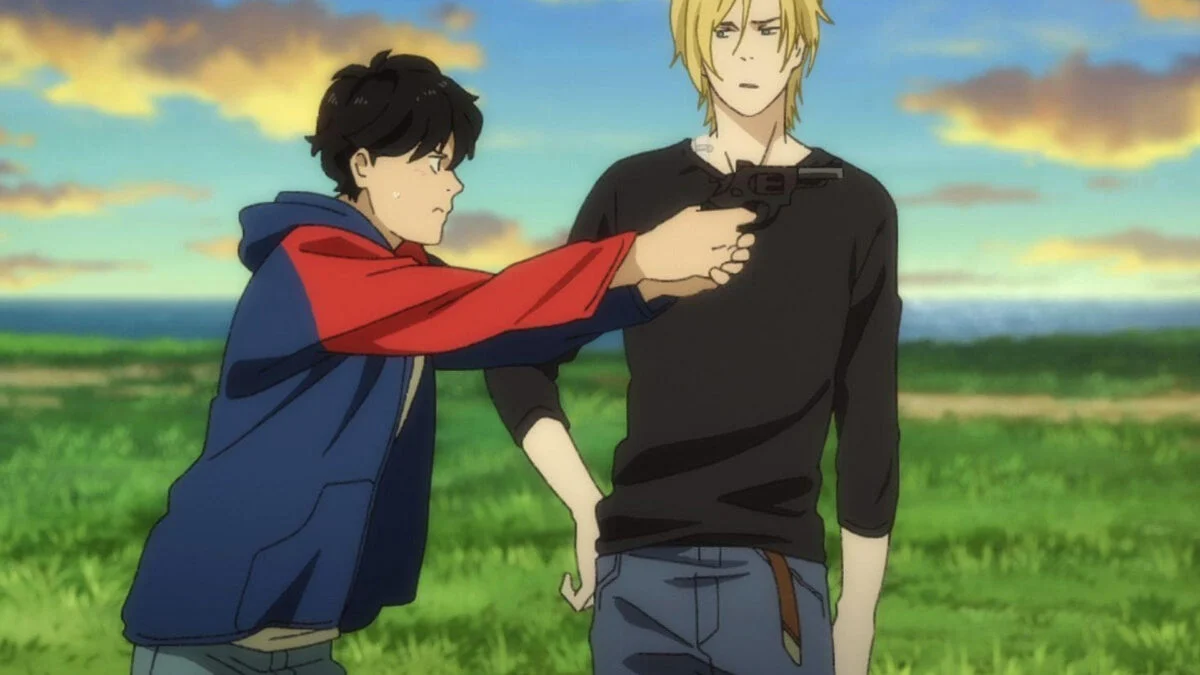
During the U.S. holiday break, Prime Video quietly launched a beta program that employs generative AI to create English and Latin American Spanish dubs for several anime series in its library. This includes notable titles like Mappa’s adaptation of Banana Fish, which had never had an English dub until now, and the 2017 film No Game No Life Zero by Madhouse. The rollout went largely unnoticed until frustrated fans took to social media to voice their concerns.
And for good reason, as the quality of the dubs has been widely criticized:
Amazon’s AI English Dub for Banana Fish is hilariously bad at times.#BANANAFISH pic.twitter.com/CtiE47W4yh
— Otaku Spirit (@OtakuSpirited) November 29, 2025
Amazon’s AI Dub of No Game No Life is Horrific!! The random Japanese voicing popping in and out is hilarious!@SentaiFilmworks, please give them your Official English Dub!#NoGameNoLife #ノゲノラ pic.twitter.com/apFZH51zhS
— Otaku Spirit (@OtakuSpirited) November 29, 2025
Even before examining the translated scripts, it’s evident that the quality of these dubs falls short of acceptable standards. Issues with intonation, pacing, and emotional delivery abound. Many anime enthusiasts long viewed dubbed anime as inferior to its original Japanese versions due to historical shortcomings in voice acting. Surprisingly, these AI-generated dubs manage to sink even lower than the worst past translations.
It’s shocking that Amazon would release these dubs, beta label or not. Additionally, some of these AI dubs are being used for shows that have waited years for proper translations like Banana Fish, or for titles like No Game No Life Zero that have already received well-crafted human dubs. In effect, the AI dub does not fill a gap but rather disregards existing quality in favor of what appears to be a misguided creative experiment.
One must hope that Amazon recognizes the public relations disaster this beta program represents and reevaluates its approach to AI-generated content. In a context where studios are increasingly exploring generative AI, the trend raises concerns for those who have dedicated their careers to translating and dubbing anime. With platforms like Crunchyroll experimenting with AI subtitles and similar initiatives, the risk of undermining quality is significant, potentially causing harm to non-Japanese audiences who deserve better.
What are the implications of AI in anime dubbing? As technology evolves, so do concerns regarding quality and authenticity. The introduction of AI dubs could lead to a diminishing standard of content that fans have come to cherish.
How are fans reacting to AI dubbing? Fan communities are quick to voice their dissatisfaction across social media, highlighting the inadequacies and experimenting with the technology—sometimes in humorous ways.
Will AI-generated dubs completely replace human voice actors? There’s a strong sentiment that while AI may offer efficiencies, it lacks the emotional depth and nuance that skilled voice actors bring to anime, making its complete takeover unlikely.
Is there any hope for future developments? With increasing backlash and criticism of AI dubs, studios might reconsider their strategies, striving instead for better, human-led productions that resonate with audiences.
If you’re interested in the ongoing evolution of anime and want to stay updated on the latest industry news, remember to explore more at Moyens I/O.