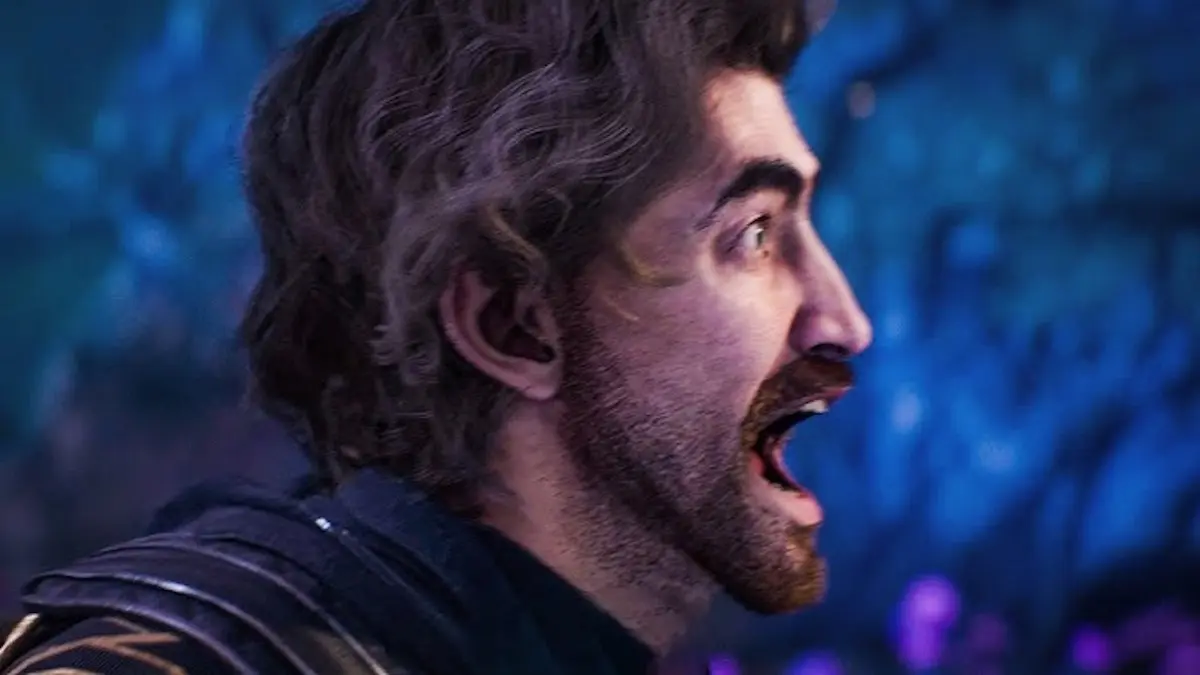
2025 was an exciting year for gaming, and I found myself especially curious about the buzz surrounding the Game of the Year. With my mixed feelings toward turn-based RPGs, I decided to dive into Clair Obscur: Expedition 33, hoping it would lead me through uncharted waters.
However, there’s a unique kind of disappointment that accompanies the desire to truly love something. From the get-go, Expedition 33 presents itself as a masterpiece—visually stunning and dripping with ambition. Yet, the moment you pick up the controller, the magic falters. It desperately wants to be celebrated like an important film, but once gameplay starts, that façade shatters.
This isn’t a total failure; it’s worse—a confident misstep that equates presentation with substance and motion with meaning. Clair Obscur has all the makings of a gripping drama, yet it fails to earn your investment in time.
Art, Music, and Storytelling That Deserve Recognition
Having watched over 200 films this year, I can confidently say that if Clair Obscur were a movie, it would shine during awards season. The artistic direction is lavish and infused with emotion. Each frame feels meticulously designed, as if someone stopped time just long enough to overlay it with a poignant touch. The color palette whispers deep emotions, evoking a sense reminiscent of a nighttime masterpiece gone awry.
Pair this with a score that complements the stunning visuals. As a fan of French music, I felt the emotional weight of the soundtrack resonating with me. The game promised overdramatic, choral themes, and it delivered perfectly.
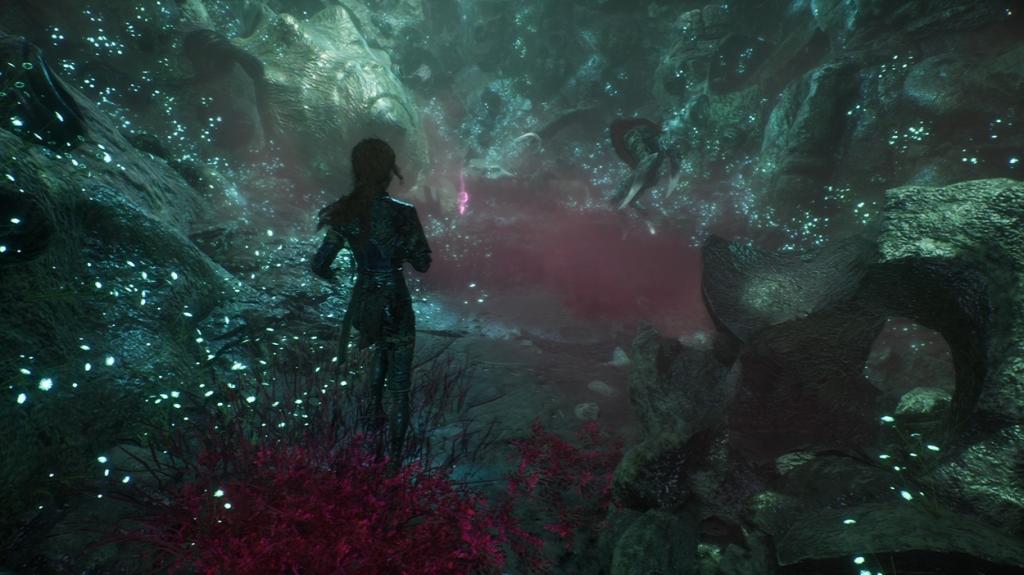
The score carries a depth that doesn’t plead for an emotional response; it assumes you’ve come prepared with tissues. Instead of making grand crescendos, it knows when to pause, allowing silence to resonate. It’s the kind of music that nestles perfectly under a reflective montage in a serious drama.
The narration seals the emotional deal, weaving one of the most heart-wrenching stories I’ve encountered in gaming. It’s akin to experiencing the gravitas of Inception or Dark. Supported by a strong cast—many of whom received accolades at The Game Awards 2025—this narrative could easily stand shoulder to shoulder with cinematic giants.

The voice acting is spot-on, guiding the story with an ease that evokes what we love about great films. Clair Obscur takes its time, knowing how to create suspense and allow moments to breathe. For a while, it seems like you’re in for something truly special—something thoughtful and intentional. Then the gameplay begins.
Exploring the Turn-Based System: A Missed Opportunity
As gameplay takes center stage, Clair Obscur begins to lose its charm. The turn-based combat feels like reliving a well-worn cliché, akin to dieting while dreaming of sweet treats. It’s a system locked in a time capsule, untouched by innovation or excitement. There’s no fresh perspective, just conventional mechanics that don’t justify their place.

Fights in Expedition 33 feel obligatory rather than engaging. If you’re already proficient at turn-based games, it hardly challenges you. The rhythm becomes apparent too quickly, draining any sense of tension.

One of the major letdowns is the disconnect between exploration and combat. Battles feel like interruptions to an otherwise rich narrative, almost like obstacles that detract from the experience. It’s as if the game plays like a beautifully crafted film stitched awkwardly to the framework of a mobile card game. I couldn’t shake the feeling: What if a more dynamic combat system better reflected the emotional weight of the story?

This is where the game shifts from intriguing to frustrating. It wants you to feel urgency and loss, yet it places you within a combat loop that hasn’t evolved in years. As a result, I found myself gravitating toward watching cutscenes online instead of immersing myself in the gameplay. The narrative insists the world matters, yet the gameplay fails to convey that urgency.
It’s almost as if the developers got caught up in the success of Baldur’s Gate 3 and softened their approach, opting for safe, familiar systems over innovative ones. They played it safe to win awards, but that leads to a lack of true excitement.
Does the Narrative Fall Flat? Yes, and Here’s Why
Clair Obscur thrives within a modern culture that often elevates indie games simply for their earnestness. The conversation around it seems to suggest that seriousness equates to depth, but that’s not always the case. While the story has its merits, melodrama should not be confused with meaning.
Often praised for its beauty, the art style feels more like an attempt to win accolades rather than to innovate. When other indie games risk pushing boundaries in artistic expression, Clair Obscur feels like it’s playing catch-up, opting for a more traditional approach.
And why shouldn’t the developers take the safe route when many players applaud such choices? Yet this success leads to confusion at award ceremonies. Games like Kingdom Come: Deliverance 2 offer rich gameplay dynamics that challenge the player, while Clair Obscur provides a pretty face and a safe story, asking for recognition based on intent rather than execution.
There’s a distinction that often gets lost: a good story does not always translate to a good video game. Defenders of Clair Obscur often argue against this perspective, but such arguments only underline the issue. If a game’s best asset is feeling like you’re watching something else, then it’s not leveraging its true potential.
Moreover, the game suffers from its own hype. Clair Obscur should be examined on its own merit, not through the lens of its creators or their past successes. While they deserve recognition, at the end of the day, I’m playing a game, not evaluating a portfolio. Though the marketing worked at The Game Awards, it’s not enough to keep me engaged beyond my initial month on Game Pass.
In the end, Clair Obscur: Expedition 33 isn’t without value. It belongs in a discussion of art in gaming, but let’s not pretend it shines as a player’s experience. If I had to choose between this and my hundredth journey through Red Dead Redemption 2, the choice would be clear.
What are the main gameplay mechanics in Clair Obscur: Expedition 33?
The game utilizes traditional turn-based systems that many find overly familiar and simplistic, lacking any innovative features.
Is the story in Clair Obscur captivating?
While the story has emotional depth, it often feels overshadowed by the flawed gameplay that fails to engage players fully.
How does the art compare to other indie games?
The art in Clair Obscur is striking and beautifully designed, yet it lacks the innovative risk-taking seen in many other indie titles.
Should players expect emotional engagement in the gameplay?
The gameplay does not successfully convey the emotional stakes the narrative emphasizes, leading to a disconnect between story and mechanics.
Is Clair Obscur worth playing or watching?
While the game is visually and narratively rich, it may be more rewarding to watch than to play due to its lack of engaging gameplay.
What do you think about the juxtaposition of storytelling and gameplay in games like Clair Obscur? Let me know in the comments below!