
The power goes out. Your screen blinks back to life—and with it, a memory you hadn’t expected: a hallway, a radio, a name you recognize. You realize Requiem will drop you into a story threaded through decades of games, and you can’t fake familiarity.
I’ve played these halls, mapped the references, and trimmed the noise so you don’t waste nights chasing side quests when what matters is the story. I’ll tell you exactly which Resident Evil entries actually move the needle for Requiem, and in the order that keeps the plot tight and the reveals satisfying. Read this like a reconstruction report: quick, precise, and with the breadcrumbs in the right places.
Every Resident Evil Game You Must Play Before Starting Requiem (In Order)
Capcom built this franchise like layered forensic evidence—some pieces are indispensable, others are interesting footnotes. Below are the plays you should prioritize, with why each matters and what you can skip or skim.
Do I need to play every Resident Evil game before Requiem?
You don’t. There are 30 entries across mainline titles, remakes, and spin-offs; you can’t reasonably digest them all before Requiem and still have a life. But you can close the biggest gaps—story beats that Requiem will rely on—by playing the handful below. Think of the list as the forensic essentials: the items a detective brings to a trial.
Which games explain Requiem’s ties to Raccoon City and key characters?
Focus on the Raccoon City arc and the Leon/Jill/Ada threads. Play the original Raccoon City stories and a few modern sequels that recontextualize the villains. Those are the games that will make Requiem land emotionally and narratively.
Resident Evil
On a late-night rewind, the mansion map felt like a physical thing in my hands—that smell of old manuals and plastic. This is where I’d tell you to begin if you want historical context: Resident Evil introduces Jill Valentine and Chris Redfield, and drops the names Albert Wesker and Oswell E. Spencer into the file.
Play this one to understand Umbrella’s origin experiments and the mechanics that keep recurring characters tied together. The mansion’s events are referenced across the series; skipping it risks losing the emotional weight when those names crop up in Requiem.
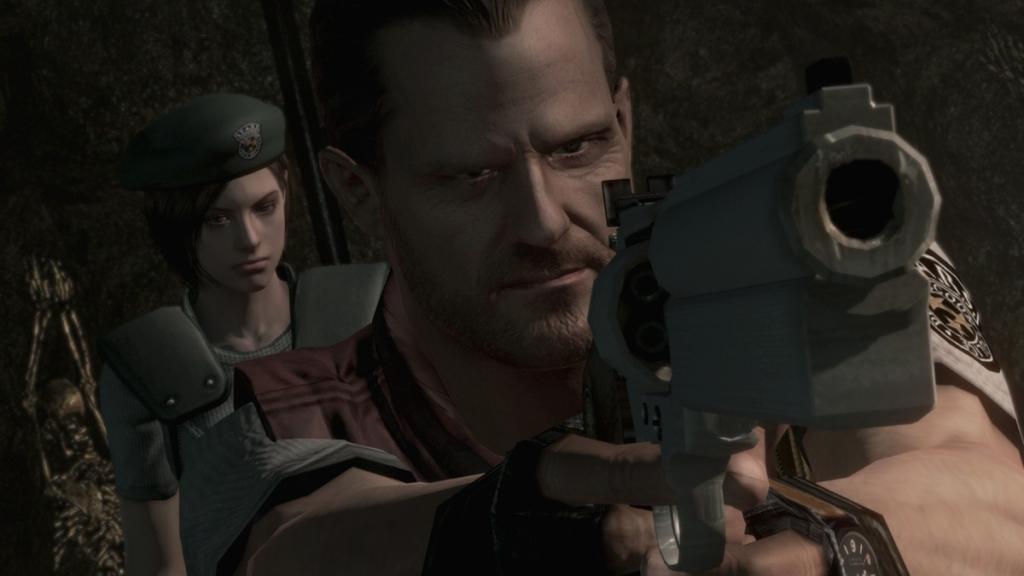
Resident Evil 0 (Optional)
On a weekend when I had time to spare, I played RE0 between errands; it felt like reading the preface to a book you already love. This prequel fills in a few gaps around the Spencer Mansion timeline—how Chris and Jill first connect and what Umbrella was doing just before the original outbreak.
Good to play if you like chronological clarity, but optional if you’re short on hours. If you skip it, read a succinct summary or watch a 15–20 minute recap on YouTube—especially the scenes that set up the mansion’s backstory.
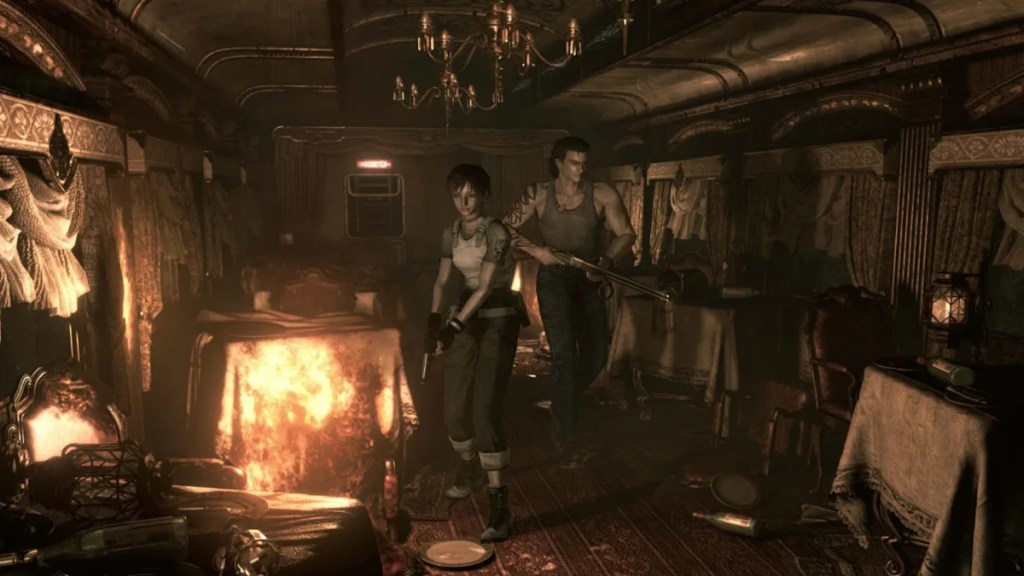
Resident Evil 2
The first time I ran through Raccoon City, a streetlamp’s reflection on my screen made the city feel like a sealed box. Resident Evil 2 is the single most important pre-Requiem play: it introduces Leon S. Kennedy, Claire Redfield, and Ada Wong, and it sets the entire Raccoon City arc in motion.
If you only have time for one prequel, make it RE2 or its modern remake (both are narrative-equivalent for purposes of Requiem). Play the Leon campaign for Requiem context—Ada’s threads and the city’s collapse are frequently referenced.
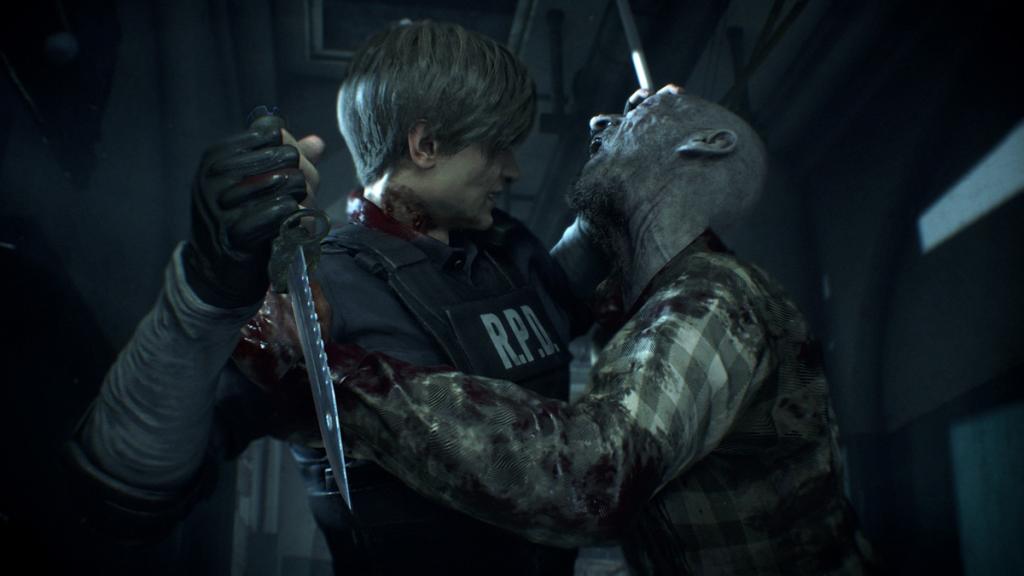
Resident Evil 3 (Optional)
Walking home that night, I heard a distant siren and thought of Nemesis; RE3 runs parallel to RE2 and gives Jill’s perspective of the Raccoon City collapse. It’s high on atmosphere and character beats—Nemesis as a relentless force shapes Jill in ways Requiem might reference.
Not mandatory for Requiem, but recommended if you want Jill’s arc in full. If you prefer, watch key cutscenes or play the remake’s shorter campaign to capture the essentials without replaying every hallway.

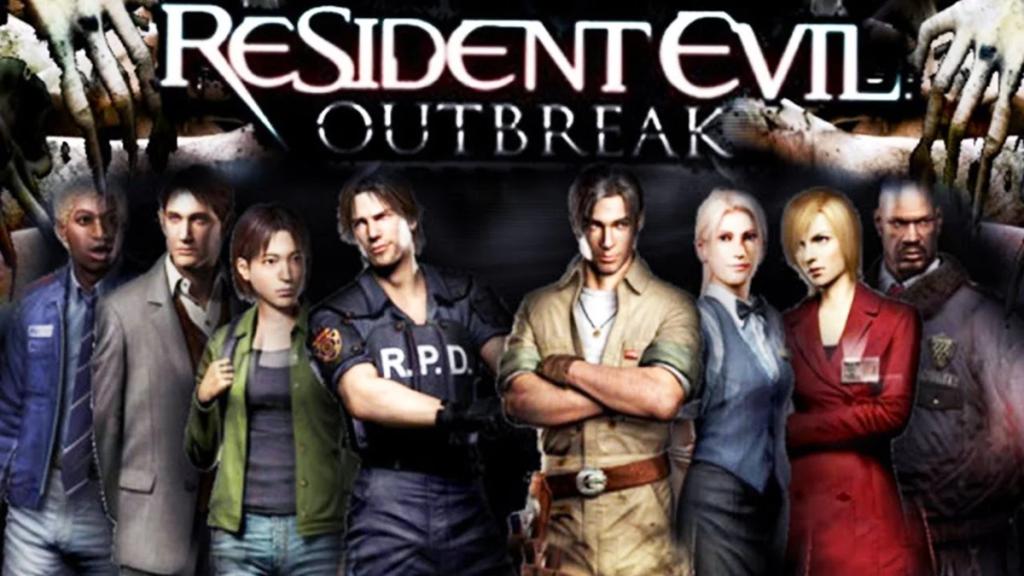
Resident Evil Outbreak (Optional)
I found Outbreak’s PS2 menu buried on a hard drive; the narrative payoff is small but precise: it introduces Alyssa Ashcroft, a reporter investigating Umbrella. She’s directly tied to Grace Ashcroft—one of Requiem’s protagonists—so her appearance matters for context.
Outbreak is PS2-era and not widely available on modern services; rather than chase a rare disc, read a focused plot summary or watch a short playthrough. That will give you Alyssa’s motivations without a heavy time investment.
Resident Evil 4
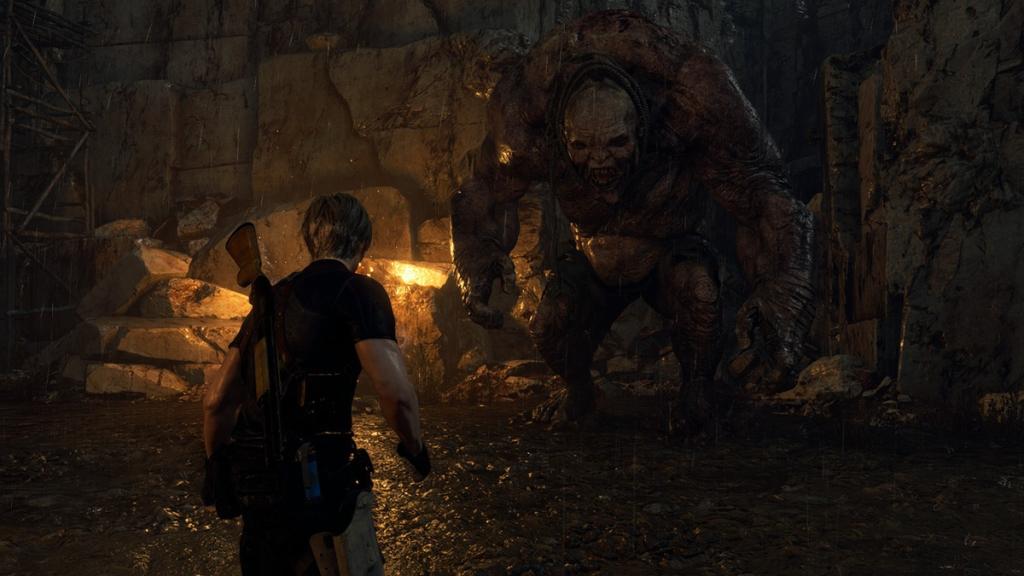
I remember scrolling Metacritic and seeing RE4 sit near the top—its influence is visible in almost every modern action-horror title. Resident Evil 4 repositions Leon as a government operative and cements his relationship with Ada; it’s a tonal and mechanical pivot that still echoes in later entries.
Play RE4 (or its modern remake) if you want Leon’s evolution and Ada’s cryptic threads to register. It’s not just fan service; narrative beats from RE4 inform Leon’s decisions and the government-level responses you’ll see referenced in Requiem. If you own the game on Steam, PlayStation, or Xbox, pick the platform with the best framerate for a smoother experience.
Resident Evil 6 (Optional)
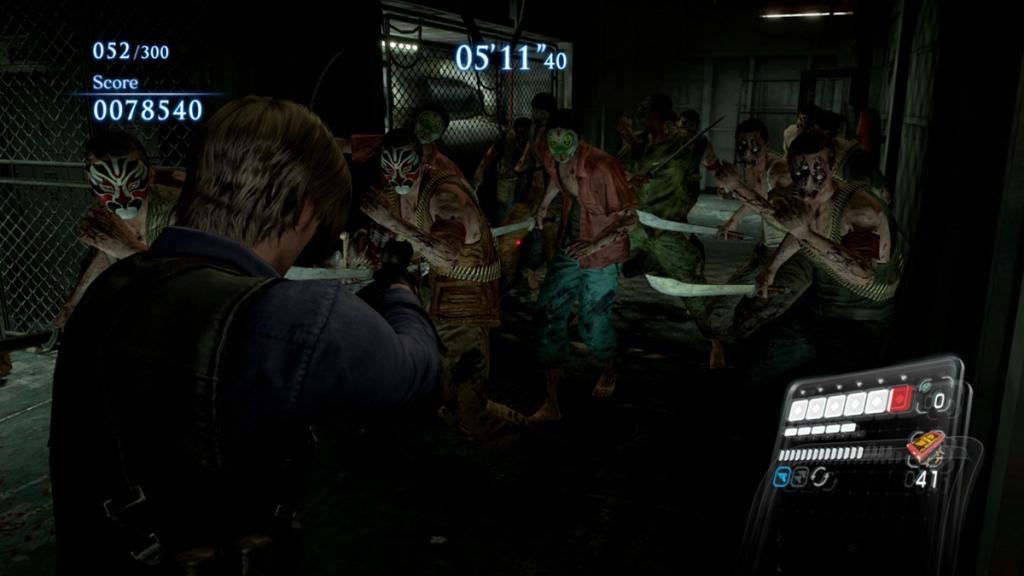
I played RE6 over long flights; it’s sprawling and ambitious, like a dossier with too many chapters. The game stitches major characters together across four campaigns, and while it doesn’t directly drive Requiem’s plot, it informs the franchise’s political fallout and character relationships.
If you crave lore completeness and have time to spare, RE6 adds texture. If you don’t, skip it and read a synopsis—Requiem will reference broad consequences rather than the minutiae of RE6’s set pieces.
Resident Evil 7: Biohazard
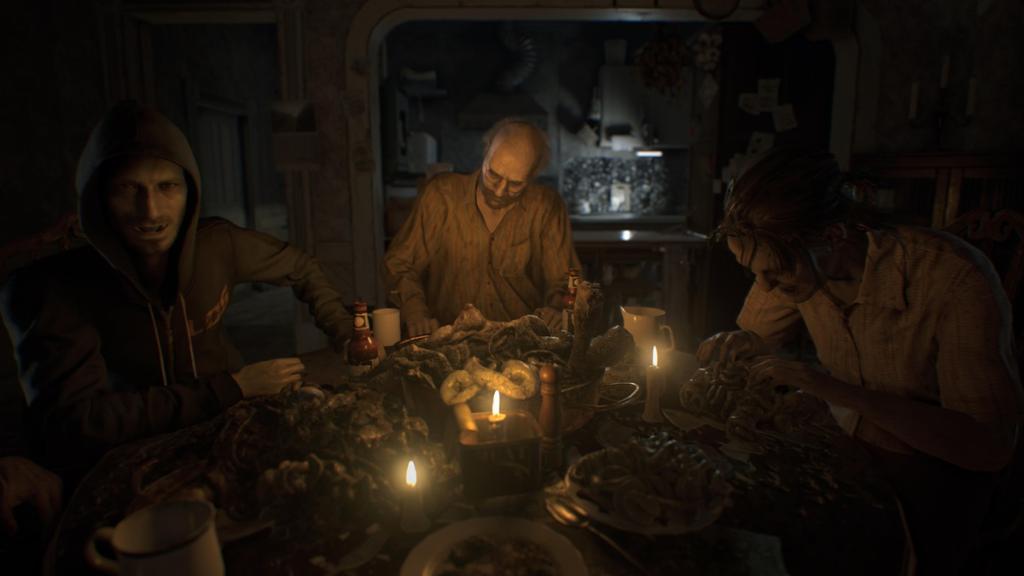
I once paused RE7 in a quiet apartment and the silence after a Baker cutscene was louder than any jump scare. Resident Evil 7 reintroduces the franchise with a new tone and a new protagonist—Ethan—and it brings the Mold into the canon, a biological threat that ties back to Umbrella’s experiments.
Play RE7 for the Baker family arc and the Mold mythology. A newspaper clipping in RE7 referencing an investigator named Alyssa Ashcroft is one of the concrete threads that links the game to Requiem. If you use PlayStation VR, RE7’s VR mode is an intense way to absorb the atmosphere, though the narrative content remains the same.
Resident Evil Village
I walked through Village at dawn; the monster designs lingered like shadows on the wall. RE Village is a direct sequel to RE7, expands the Mold/Mother Miranda thread, and links maternal experiments back to Oswell E. Spencer—this is the piece that connects older Umbrella lore to the new fungal mythology.
This one is mandatory if you want to grasp the narrative arc that spans from classical Umbrella machinations to the modern horrors Requiem will reference. Play it to understand how Mother Miranda’s choices echo through the franchise and to see how the Mold’s origin alters the familiar Umbrella story.

Quick practical notes: if you want modern graphics and smoother controls, buy remakes (RE2, RE3, RE4) on PlayStation, Xbox, or Steam—prices vary, but a digital sale on Steam can drop a remake from around USD 39.99 (€37) to much less during seasonal promos. Check Game Pass for temporary availability, and consult Metacritic or user guides if you want specific recommended difficulty settings.
I’ve kept this list tight: play the originals or their modern remakes for the narrative beats that matter—especially anything tied to Raccoon City, Leon/Jill/Ada, and the Mold/Mother Miranda threads. Treat Outbreak and RE0 as optional context; read or watch them if you want more color without long playtime.
The franchise is a spiderweb of references—some threads pull hard, others only tremble—so pick the strands that will make Requiem click for you. Which path into Requiem will you take first?