
I stared at my rig’s RGB glow as the launch timer ticked toward March 19, 2026. The thought hit like a cold draft: beautiful visuals, unpredictable performance. You don’t want to find out your PC falters the night Kojima drops his new world.
I’ve tested dozens of ports and advised players on upgrade choices; I’ll walk you through what matters so you can make a quick call at your desk or in line at Steam. Read fast—the window to tweak settings or swap parts before launch is small.
I still see mid-range rigs in cafes pushing through modern games; Death Stranding 2 On the Beach Minimum PC System Requirements
The official minimum specs are surprisingly tame for a Kojima title. You’ll find the list below exactly as Steam shows it: it targets 1080p playability on modest hardware rather than forcing a farm of top-tier cards.
| Component | Minimum Requirements |
|---|---|
| OS | Windows 10/11 Version 1909 or newer |
| Processor | Inter core I3-10100, AMD Ryzen 3 3100 |
| Memory | 16 GB RAM |
| GPU | NVIDIA GeForce GTX 1660, AMD Radeon RX 5500 XT 8GB |
| Storage | 150 GB SSD |
Can my PC run Death Stranding 2?
If you’re running an Intel Core i3-10100 or Ryzen 3 3100 paired with a GTX 1660 (or RX 5500 XT), you’re inside the stated minimum. Expect playable 1080p results, but not always silky-smooth frame pacing in explosive set pieces. If you want consistent 30 FPS with conservative settings, you won’t be far off; if you want headroom for higher fidelity, consider stepping up the GPU first.
Practical tip: check Steam’s system info and match your CPU and GPU names exactly—drivers matter. NVIDIA’s GeForce Experience and AMD’s Radeon Software can give you quick driver updates before launch; install the latest stable driver the day before release.
Many players aim for buttery visuals on a single monitor; Death Stranding 2 On the Beach Recommended PC System Requirements
Here’s what the publisher lists for a comfortable experience aimed at higher fidelity and 60 FPS targets on larger resolutions.
| Component | Recommended Requirements |
|---|---|
| OS | Windows 10/11 Version 1909 or newer |
| Processor | Inter core I7-11700, AMD Ryzen 7 5700X |
| Memory | 16 GB RAM |
| GPU | NVIDIA GeForce RTX 3070, AMD Radeon RX 6800 |
| Storage | 150 GB SSD |
What GPU do I need for 2K/60 FPS?
The recommended targets list an RTX 3070 or RX 6800. If you own an RTX 3070 or the Radeon RX 6800, expect solid 1440p/60 performance with high settings in many scenes. Ray tracing and ultra-resolution textures will push those cards—if you’re chasing consistent 60 FPS at higher detail, consider how DLSS (NVIDIA) or FSR (AMD) can act like a performance multiplier without a full hardware upgrade.
I’ll be blunt: upgrading your GPU yields the biggest return on time invested. CPU and RAM are important, but for visual fidelity, a stronger GPU changes the experience most visibly.
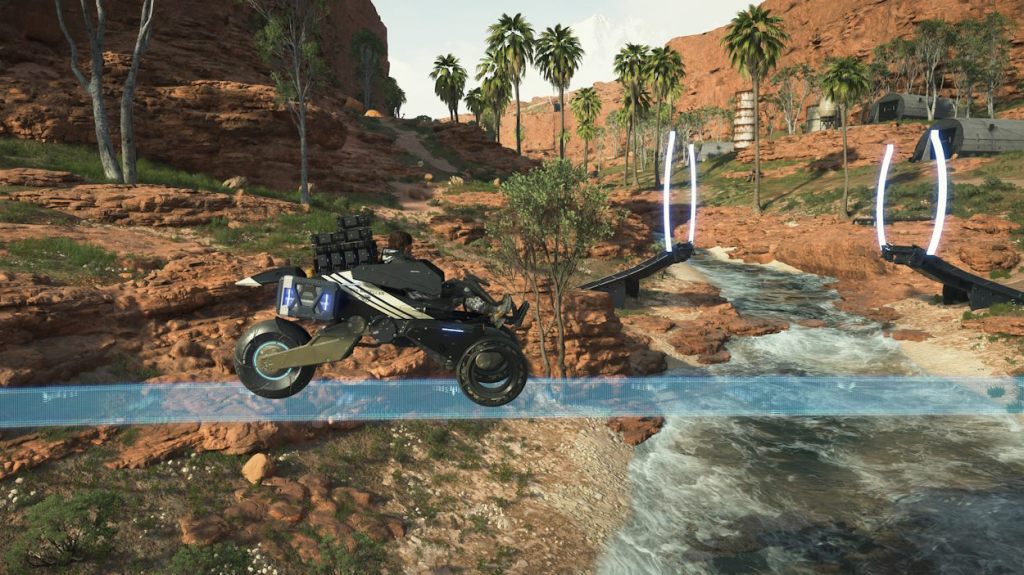
SSD sizes are shrinking in practice as games balloon; How Much Space Do You Need to Install Death Stranding 2 On the Beach?
The PC build lists a 150 GB SSD requirement. That’s the single biggest surprise for many: the PlayStation 5 build sits around 90 GB, while the PC installer asks for roughly 150 GB—an increase that feels like adding cargo to an already-full truck.
How much free storage should I actually reserve?
Reserve at least 150 GB for the game itself, plus another 20–30 GB for temporary files, Windows updates, and GPU driver caches. If your system SSD is small, this is the place to prioritize: a box-style SSD swap (SATA to NVMe) is the fastest, most reliable change you can make for loading and stutter reduction. Think of storage upgrades like rerouting traffic—you’ll clear congestion and get consistently smoother flow.
One practical path: install onto an NVMe SSD if you have it, keep OS and drivers current, and use Steam’s install path manager to control where assets land. If you’re using external drives, make sure they’re USB 3.2 or better to avoid hitching during streaming loads.
The system requirements overall trend toward accessibility: 16 GB RAM across minimum and recommended keeps the memory bar steady, while Intel and AMD choices cover a wide hardware base. That balance means many existing machines will run the game at launch, but if you care about higher-resolution fidelity, target a stronger GPU and a fast NVMe SSD.
So—will your build survive Kojima’s next beautiful, chaotic test when Steam flips the release switch?