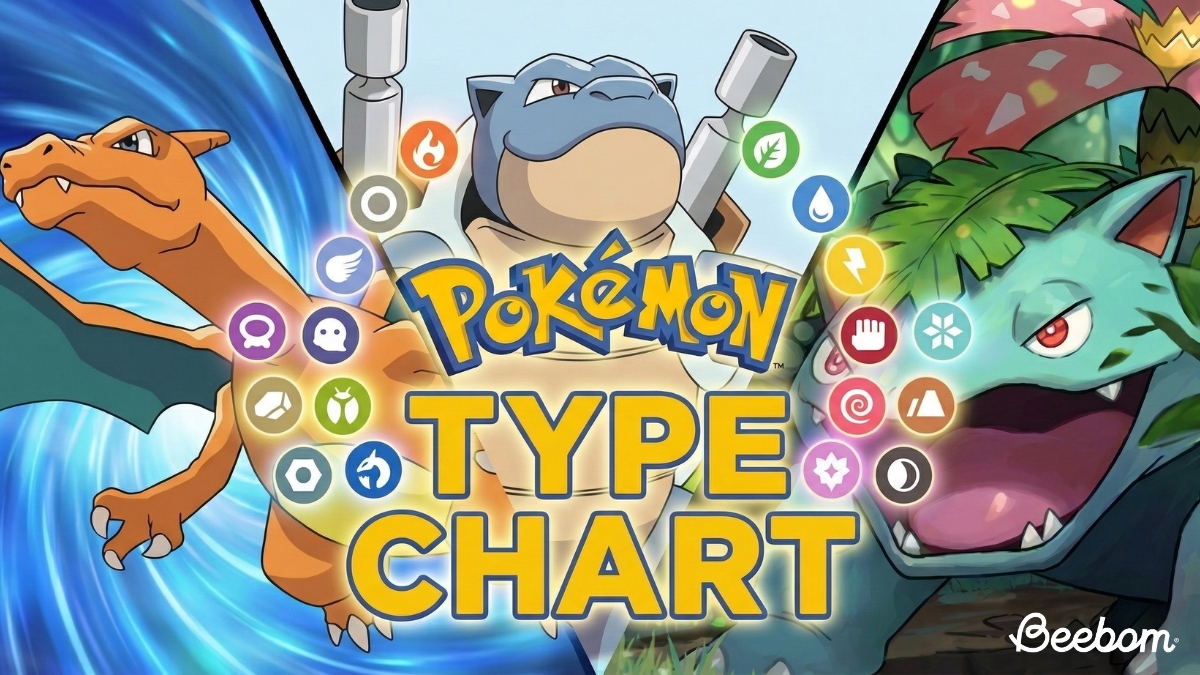
The battle timer blinked. My Charizard dropped from full HP to the red zone after a single, perfectly timed Stone Edge. I learned then that a single type mistake can turn a sure win into a humiliating loss.
I’ve spent years watching VGC matches, testing counters in Pokemon GO raids, and tearing apart team sheets for Scarlet & Violet tournaments so you don’t have to learn the hard way. Read me as a coach in your ear: this is the reference you’ll actually use when stakes are high and time is short.
Pokemon Type Chart (Main Series)
Observation: When Pokemon Red and Green shipped in 1996, every trainer learned fast that types decided fights long before moves did.
There are 18 standard types used across the mainline games — Scarlet & Violet, Legends ZA, and classic titles — and each type carries distinct advantages, resistances and immunities. Think of the type chart as a chessboard where every piece’s threat changes depending on the square it stands on.
| Type | Super Effective Against | Not Very Effective Against | Resistant To | Weak To | Immune To |
|---|---|---|---|---|---|
 Normal |
— | Rock, Steel | — | Fighting | Ghost |
 Fire |
Grass, Ice, Bug, Steel | Fire, Water, Rock, Dragon | Fire, Grass, Ice, Bug, Steel, Fairy | Water, Ground, Rock | — |
 Water |
Fire, Ground, Rock | Water, Grass, Dragon | Fire, Water, Ice, Steel | Electric, Grass | — |
 Grass |
Water, Ground, Rock | Fire, Grass, Poison, Flying, Bug, Dragon, Steel | Water, Electric, Grass, Ground | Fire, Ice, Poison, Flying, Bug | — |
 Electric |
Water, Flying | Electric, Grass, Dragon | Electric, Flying, Steel | Ground | — |
 Ice |
Grass, Ground, Flying, Dragon | Fire, Water, Ice, Steel | Ice | Fire, Fighting, Rock, Steel | — |
 Fighting |
Normal, Ice, Rock, Dark, Steel | Poison, Flying, Psychic, Bug, Fairy | Bug, Rock, Dark | Flying, Psychic, Fairy | — |
 Poison |
Grass, Fairy | Poison, Ground, Rock, Ghost | Grass, Fighting, Poison, Bug, Fairy | Ground, Psychic | — |
 Ground |
Fire, Electric, Poison, Rock, Steel | Grass, Bug | Poison, Rock | Water, Grass, Ice | Electric |
 Flying |
Grass, Fighting, Bug | Electric, Rock, Steel | Grass, Fighting, Bug | Electric, Ice, Rock | Ground |
 Psychic |
Fighting, Poison | Psychic, Steel | Fighting, Psychic | Bug, Ghost, Dark | — |
 Bug |
Grass, Psychic, Dark | Fire, Fighting, Poison, Flying, Ghost, Steel, Fairy | Grass, Fighting, Ground | Fire, Flying, Rock | — |
 Rock |
Fire, Ice, Flying, Bug | Fighting, Ground, Steel | Normal, Fire, Poison, Flying | Water, Grass, Fighting, Ground, Steel | — |
 Ghost |
Psychic, Ghost | Dark | Poison, Bug | Ghost, Dark | Normal, Fighting |
 Dragon |
 Steel | Fire, Water, Electric, Grass | Ice, Dragon, Fairy | — |
 Dark |
Psychic, Ghost | Fighting, Dark, Fairy | Ghost, Dark | Fighting, Bug, Fairy | Psychic |
 Steel |
Ice, Rock, Fairy | Fire, Water, Electric, Steel | Normal, Grass, Ice, Flying, Psychic, Bug, Rock, Dragon, Steel, Fairy | Fire, Fighting, Ground | Poison |
 Fairy |
Fighting, Dragon, Dark | Fire, Poison, Steel | Fighting, Bug, Dark | Poison, Steel | Dragon |
How Pokemon Type Effectiveness Works
Observation: I’ve watched a dozen raid groups wipe because someone clicked a move that was “not very effective.” The scoreboard doesn’t lie: types matter.
Types affect both moves and Pokemon defensively. The basic interactions are simple: super effective, not very effective, immune, and stacked for dual types. Used correctly, they shape everything from the team you bring to a GO raid to your turn order in VGC.
How damage multiplies
- Super effective = 2× damage (main series)
- Not very effective = 0.5× damage
- No effect / Immunity = 0× damage
- Dual-type stacking can produce 4× or 0.25× outcomes
How many Pokemon types are there?
Short answer: 18 standard types in the main series, plus a special Tera Stellar-type added for Scarlet & Violet. Generation II introduced Dark and Steel, and Gen VI added Fairy; Gen IX brought Terastallization and Stellar as a unique mechanic in The Indigo Disk DLC.
Super Effective Explained
Observation: Watch a competitive match and the crowd will cheer when a player reads the opponent’s typing and lands the right move.
If a move targets a Pokemon’s weakness it deals amplified damage; simple, but decisive. A Fire move on Grass deals double damage, which is why choosing the right attacking type is often the fastest route to closing a match.
Not Very Effective Explained
Observation: In ranked play I’ve seen players stall by repeatedly using resisted moves—both teams leave more to chance when that happens.
Resisted moves output less damage. That’s why Water vs. Grass or Fire vs. Water often becomes a slow attrition battle. Some types even resist themselves: Fire resists Fire, Water resists Water, and so on.
No Effect / Immunity Explained
Observation: Ground’s immunity to Electric has decided more battles than any single stat boost.
Immunities cancel damage outright in the main series: Ghost ignores Normal attacks and Ground blocks Electric. Note that Pokemon GO treats these matchups differently—immunities are heavily reduced, not absolute zeros.
Dual-Type Stacking Explained
Observation: Most memorable swings come from dual-type disasters—one unexpected move, and the whole plan collapses.
Dual types stack multiplicatively. If both types are weak to one attacking type, damage can become 4×. If both resist, it falls to 0.25×. If one type is immune, the move does nothing—immunity always beats everything else.
Dual-Type Pokemon Interactions Explained
Observation: I’ve filed notes on dozens of common dual typings that either wreck or carry teams—Fire/Flying is the classic example.
Four practical outcomes appear repeatedly:
- Double Weakness (×4): Both types share the same vulnerability (e.g., Charizard vs. Rock).
- Weakness + Resistance (×1): One type weak, the other resists — cancels out to neutral.
- Double Resistance (×0.25): Both types resist the same attack.
- Immunity + Any Type (×0): Immunity overrides any other modifier.
What Does Same Type Attack Bonus (STAB) Mean in Pokemon?
Observation: Trainers who use STAB consistently win more trades; you should be one of them.
STAB is a damage boost when a Pokemon uses a move that matches its own type. In mainline titles STAB is 1.5×; in Pokemon GO it’s 1.2×. Abilities like Adaptability can increase STAB to 2×, and Terastallizing into a matching type gives a 2× STAB boost during that battle.
What is STAB in Pokemon?
If a Psychic-type Solgaleo uses a Psychic move, that move receives STAB and hits harder. STAB multiplies with type effectiveness, so your total damage is Base × STAB × Type Effectiveness. That’s why a 100-base move can become a 300 damage killer under the right conditions (100 × 1.5 × 2).
Pokemon Tera Type and Type Changes (Scarlet & Violet)
Observation: I watched a trainer Terastallize in a tournament and turn a losing matchup into a sweep within two turns.
Terastallization temporarily changes a Pokemon’s type to its Tera Type for the battle, and it raises STAB to 2× for that type. You need 50 Tera Shards to Terastallize outside battle or a Tera Orb in-battle. There’s also the special Stellar Tera Type: it grants one-time boosts by move type and pairs with unique moves like Tera Blast and Tera Starstorm.

Pokemon GO Type Chart Differences
Observation: Trainers switching from the mainline games to Pokemon GO often complain their immunities “don’t work” — that’s by design.
Pokemon GO compresses the multipliers for real-time combat balance. Instead of ×2 super effective it’s ×1.6; instead of 0 it’s a small damage number. Double weaknesses stack to 2.56× (1.6 × 1.6) and double resistances to 0.39× (0.625 × 0.625). STAB in GO is 1.2×, not 1.5×. These tweaks keep raid and PvP pacing brisk on mobile devices.
Does the type chart work the same in Pokemon GO?
No — Pokemon GO uses different multipliers and treats immunities as reduced damage rather than zero. That means strategies that rely on absolute immunities in the main series need to be adjusted when you jump into GO PvP or raids.

Pokemon Type Breakdown
Observation: In any tier list or raid guide you’ll see the same names repeated: Steel, Dragon, Fire — not because they’re shiny, but because of their matchups.
Below is a concise snapshot of each type’s character and where it tends to show up in competitive play. Use it as a checklist when building or scouting teams.
Normal

Neutral by design. Few weaknesses. Bulky normals like Snorlax and Blissey absorb hits and stall for wins.
Fire
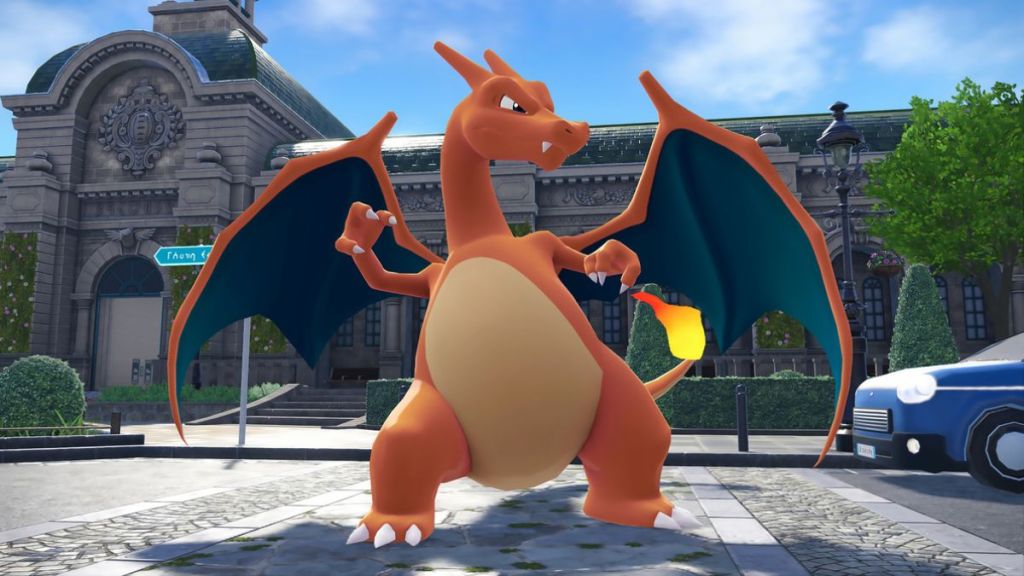
Strong offense vs. Grass, Bug, Ice, Steel. Vulnerable to Water, Rock, Ground. Charizard and Blaziken remain reliable threats.
Water
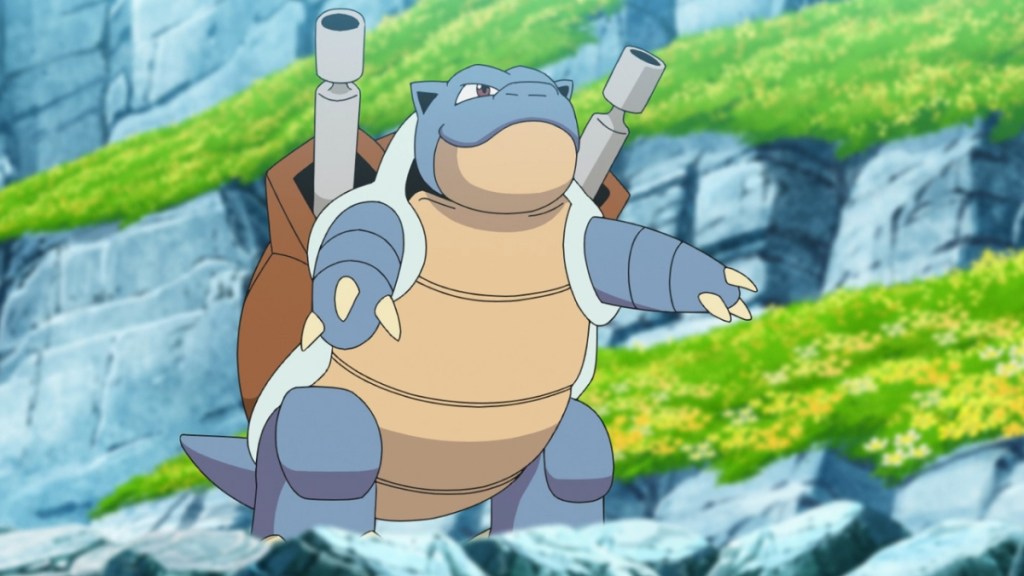
Versatile and common. Only weak to Electric and Grass. Useful utility moves and reliable bulk make Water a safe team anchor.
Grass
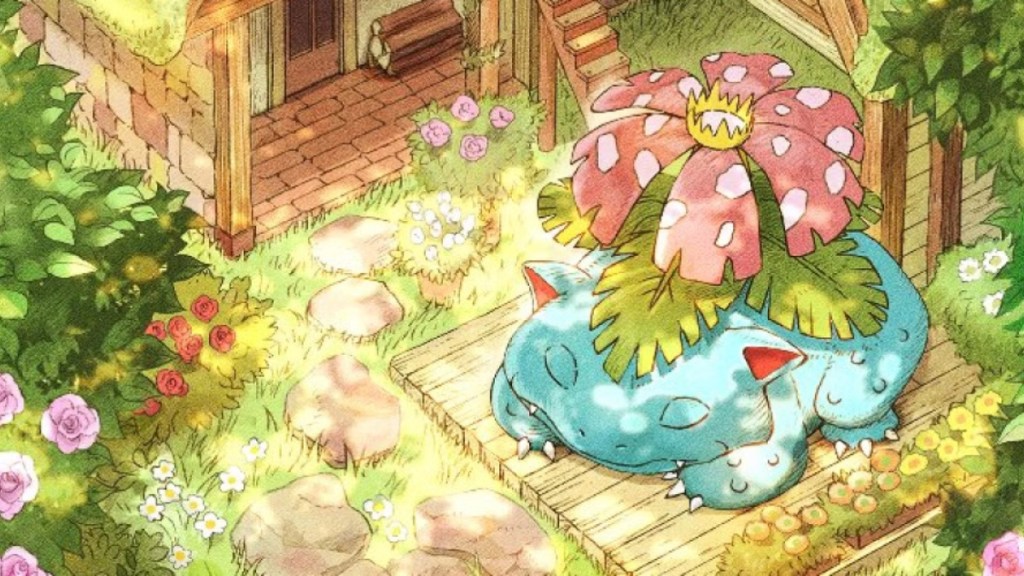
Strong vs. Water, Ground, Rock, but carries more weaknesses than many types. Status and healing moves make Grass useful when timed right.
Flying
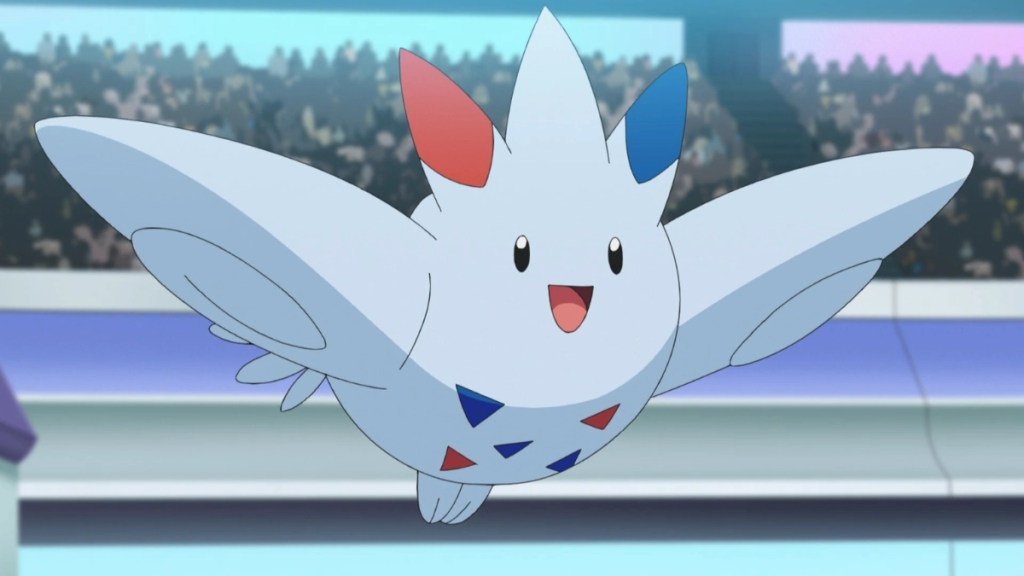
Immune to Ground. Strong vs. Grass and Fighting. Speedy flyers shape tempo and often carry priority or flinch sets.
Fighting
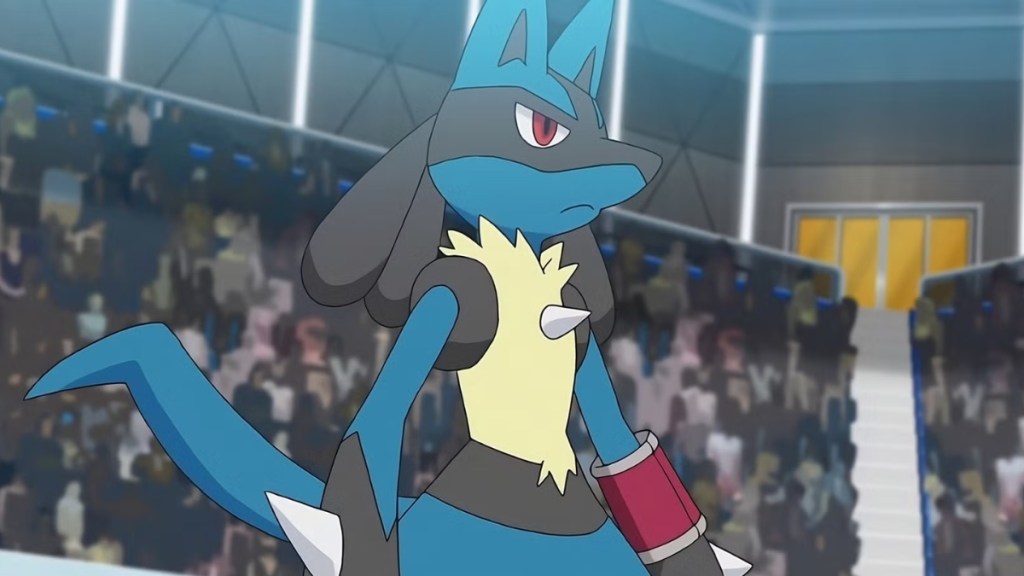
Powerful offense vs. Normal, Rock, Steel, Dark. Weak to Flying, Psychic, Fairy; pairing with teammates that cover those threats pays immediate dividends.
Poison

Useful niche vs. Fairy and Grass. Toxapex remains a competitive poison pivot thanks to utility and bulk.
Electric

High speed, single defensive weakness (Ground). Pikachu is the series mascot; Zekrom and Miraidon demonstrate Electric’s competitive power.
Ground
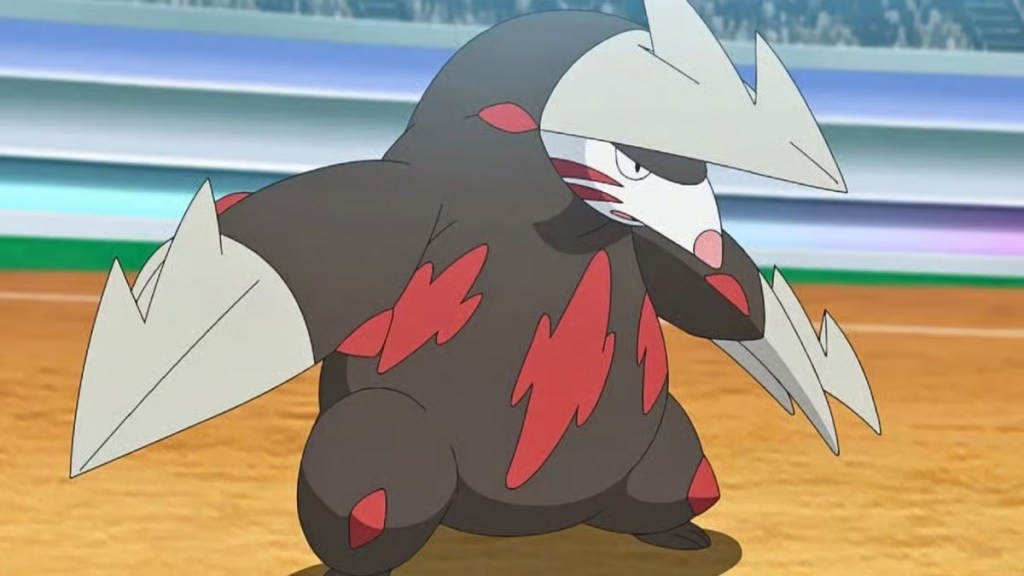
Great against Electric, Steel, Fire. Immunity to Electric and strong defensive stats make Ground a common meta anchor.
Rock
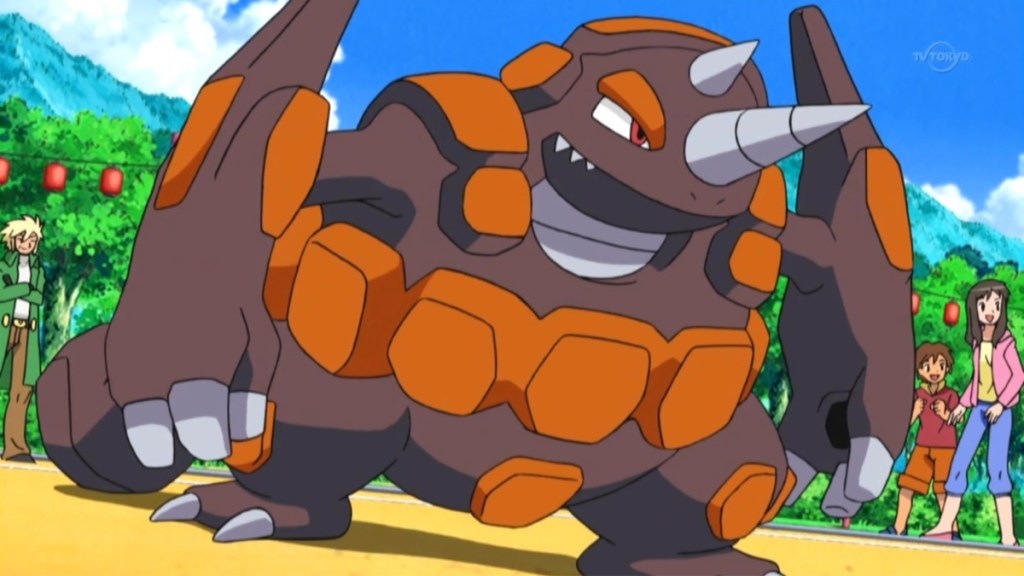
Bulky offense and defense, but carries many weaknesses. Rhyperior and Tyranitar are common choices when raw durability is required.
Psychic
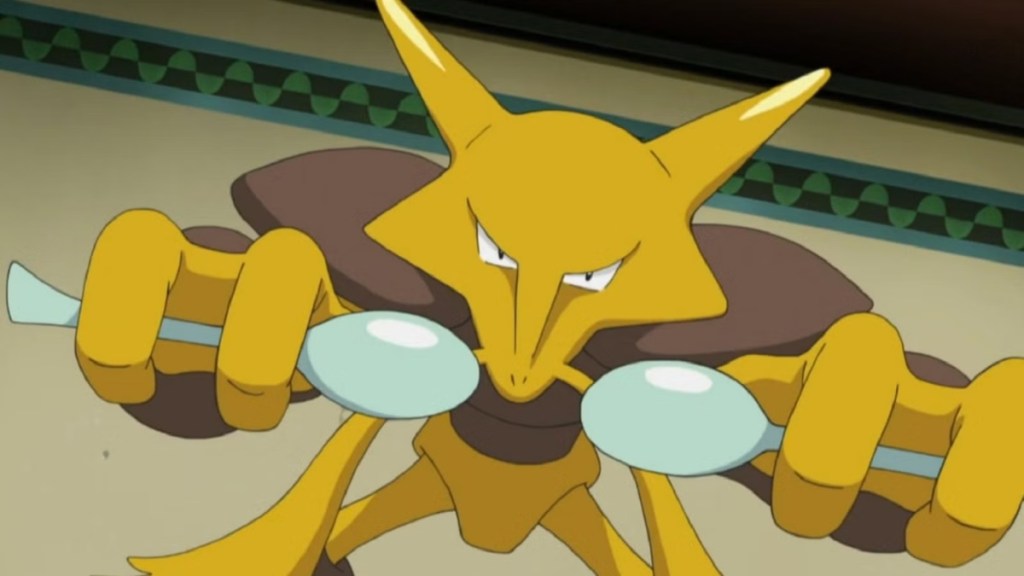
Dominant when unchecked. Counters include Bug, Ghost, Dark. Mewtwo and Alakazam define Psychic’s offensive identity.
Ice
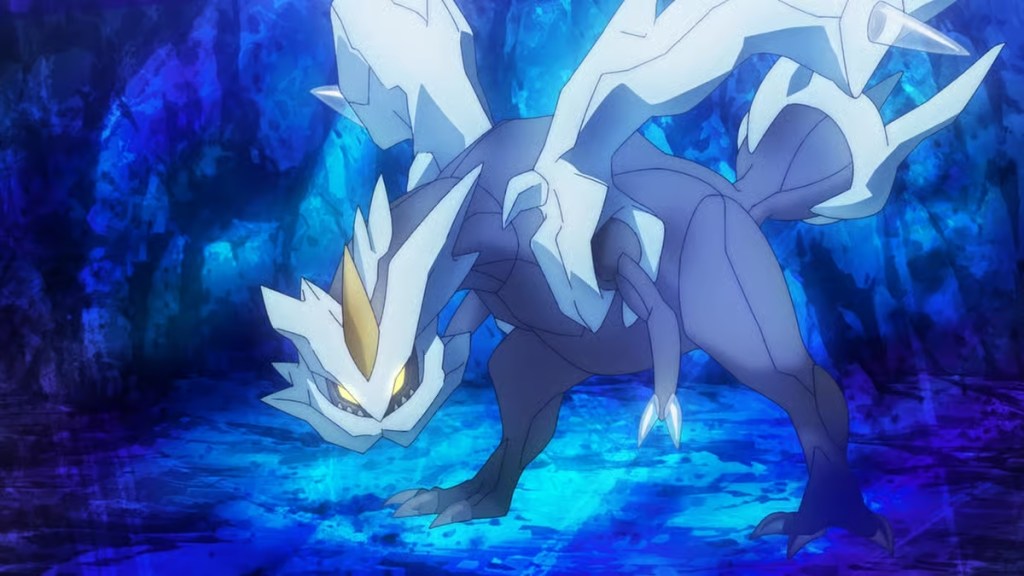
One of the best offensive types against common dragon and flying teams, but fragile defensively. Kyurem is a frequent lead in weather and stall strategies.
Bug
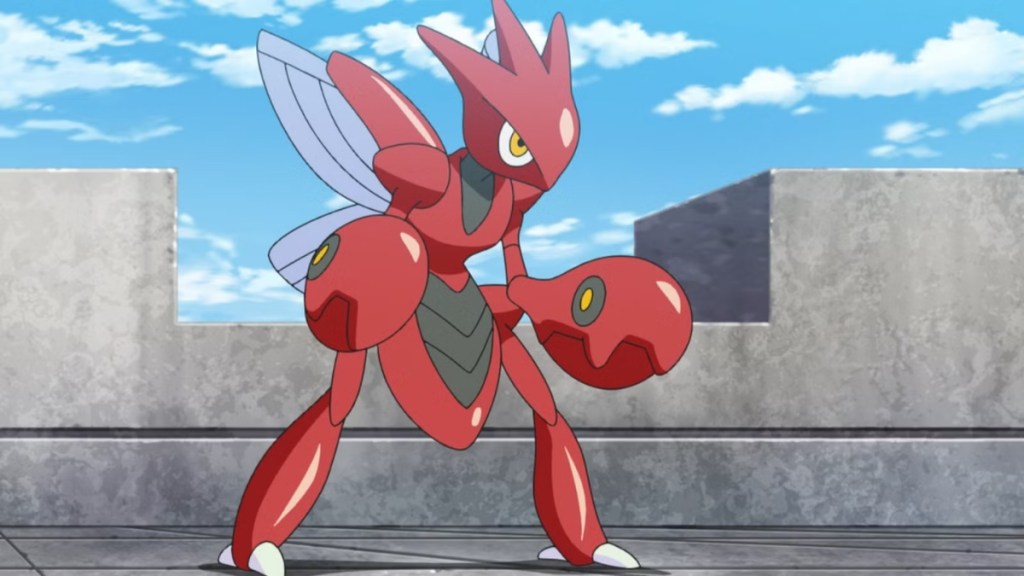
Often underrated. Scizor and Volcarona are examples where Bug can turn the tide when paired with the right support.
Ghost
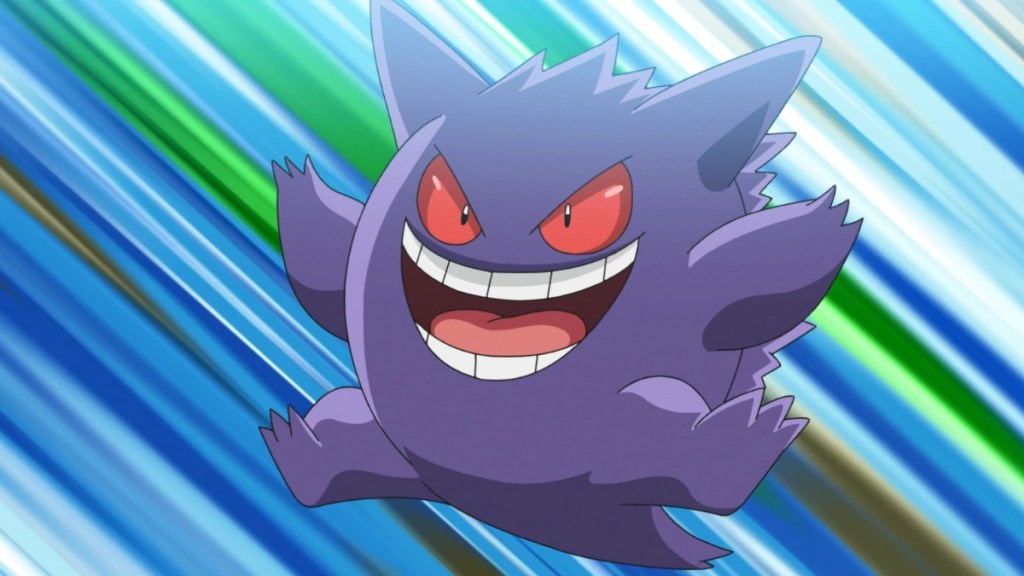
Excellent vs. Psychic. High-risk, high-reward typings like Gengar and Dragapult are staples in fast-paced formats.
Steel
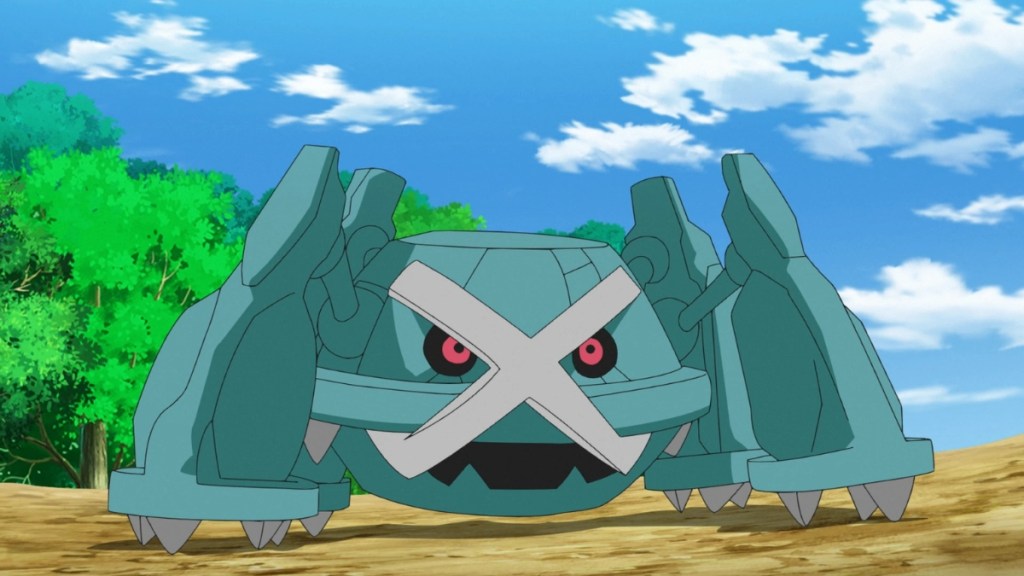
Defensive powerhouse. Resists ten types and is immune to Poison. That resistance profile makes Steel a frequent staple in competitive rosters.
Dragon
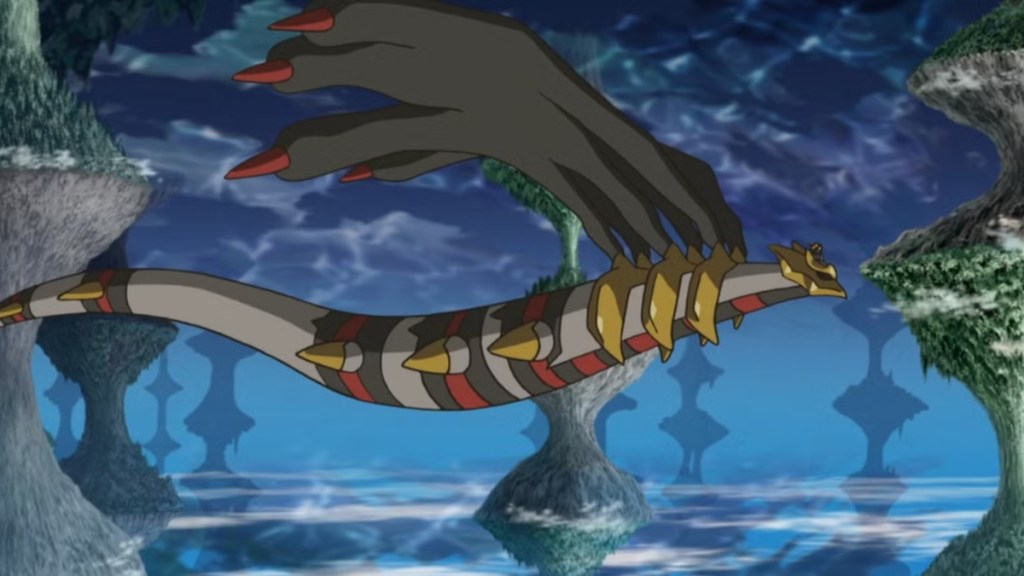
Powerful meta presence and commonly shared with legendary Pokemon. Counters include Ice, Fairy, and Dragon moves.
Dark
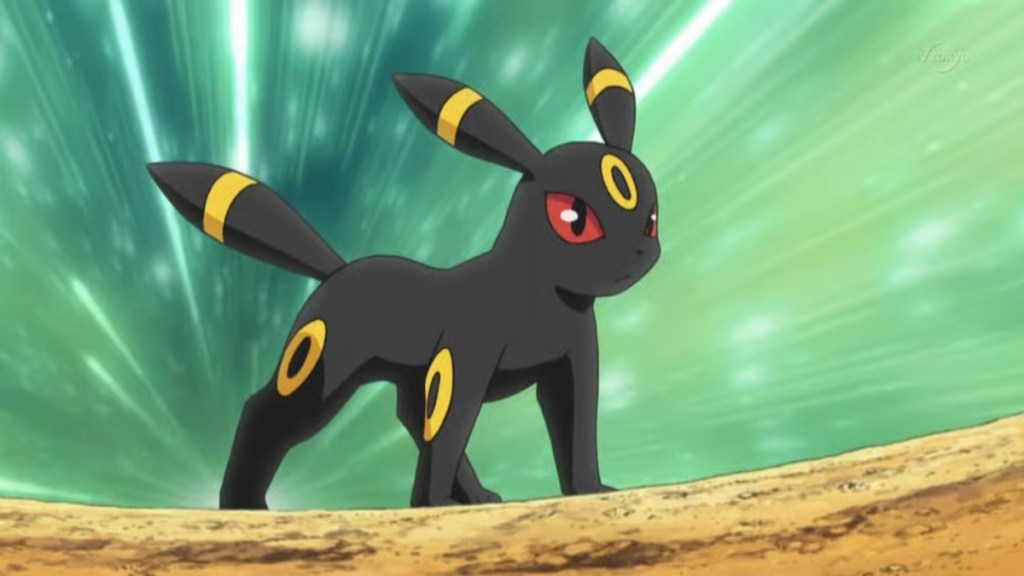
Introduced to counter Psychic dominance; immune to Psychic moves and strong against Ghost and Psychic.
Fairy

Added in Gen VI to counter dragons. Fairy resists and can shut down many Dragon-centric win conditions.
Stellar (BONUS)
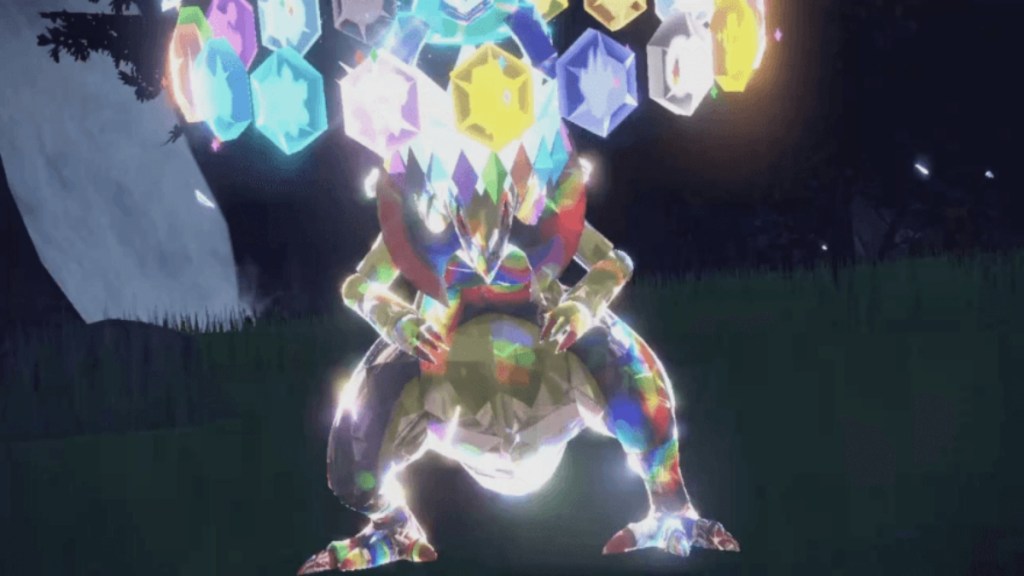
Stellar is a special Tera Type that grants a one-time boost per move type used during a battle while leaving base resistances unchanged. Visually dramatic and strategically flexible, Stellar plays like a finite resource that must be spent carefully.
Pokemon Type Chart Changes Across Generations
Observation: Older players still argue about Gen I Psychic dominance—changes to the type chart rebuilt balance over time.
The roster of types grew from 15 at the series launch to 18 today with the addition of Dark, Steel and later Fairy. Game Freak and Nintendo adjusted typings retroactively when needed; Clefable’s shift to Fairy is a famous example. Expect mechanics like Terastallization to keep changing how we think about typing.
What Is the Best Pokemon Type?
Observation: In team reports from majors and ladder stats Steel shows up more than almost any other type.
Defensively Steel resists ten types and is immune to Poison, with only three weaknesses. That resistance profile makes Steel the most consistently valuable defensive type in modern formats, which is why names like Metagross, Heatran and Corviknight appear often in competitive lists.
Quick Tactical Rules I Give Trainers
Observation: In every match I coach, one simple rule fixes most mistakes.
- Match types to threats: bring a Water answer for Fire leads, a Ground answer for Electric threats.
- Favor versatility: Pokemon with useful secondary typings or movepools cover more matchups.
- Use tools: The Pokemon Company’s official damage calculators, Pokemon Showdown, and raid planners on The Silph Road save time when you’re composing counters.
- Always check STAB and abilities like Adaptability before committing to a play.
Type interactions are a weather map—storm fronts of weakness and clear skies of resistance that shift with each team swap.
Got a controversial pick or an unconventional counter that works for you — what’s your favorite matchup and why?