
We were crouched behind the smoke as the spike ticked down and the site smelled of gunmetal. I hit Harmonize on you, the heal rolled through, and the trade that would have cost us the round flipped in our favor. That single instant felt like a lighthouse in a blackout; it changed how I read Controller rounds.
I’m a reporter who spends more hours watching VCT demos and Twitch clips than most people spend sleeping. You’ll get direct advice, no fluff: what each ability does, when to pull the trigger, and the mental model I use when I play Miks with five other human beings who expect the win.
All Valorant Miks Abilities Explained
Observation: In real matches, the team that controls tempo usually controls the site. Miks is built around tempo—timed boosts, area heals, and instantaneous smoke placement that let you bend a round’s rhythm.
Before I break down the kit, know this: Riot Games designed Miks to tilt the Controller role toward support without removing its map-control identity. He gives Controllers a real option when your team needs steady healing and disruptive utility packaged into one agent.
What abilities does Miks have?
Short answer: a shared combat stim, a dual-mode ground device (heal or concuss), instant map-targeted smokes, and a charged frontal ultimate that pushes, deafens, and slows.
Harmonize (Q)
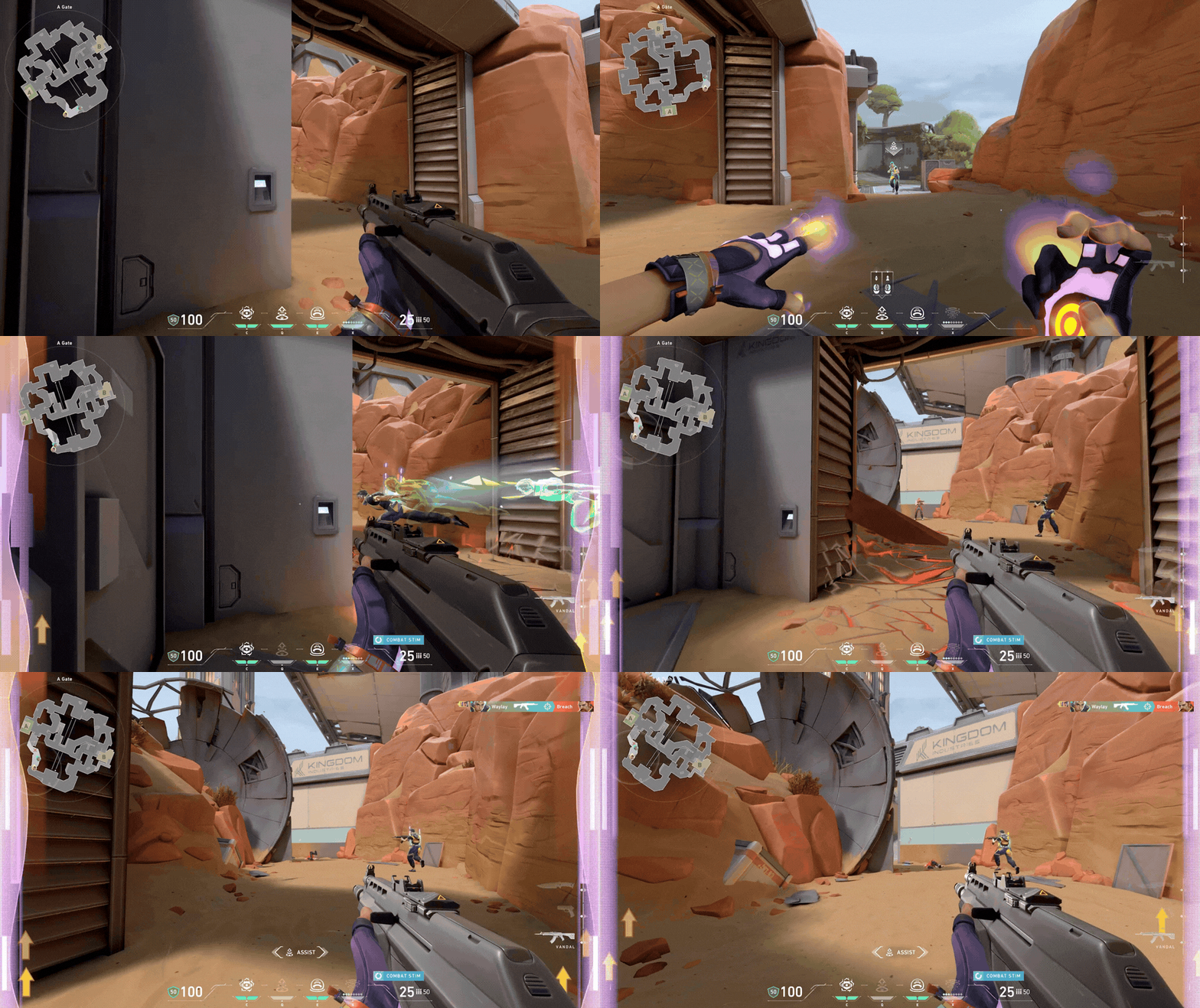
Equip Harmonize and tap a teammate to apply a Combat Stim to both of you. The buff refreshes on any kill by either player, and you can ALT-FIRE to self-apply if you want to push the angle alone.
Use case: activate it before you clear a tight post-plant or when your entry fragger is about to trade. The reward is momentum—every kill restarts the timer, so coordinated duos who trade cleanly can steamroll a site.
Practical tip: pair Harmonize with a high-damage fragger on executes—someone who can reliably finish fights and keep that stim cycling.
M-pulse (C)
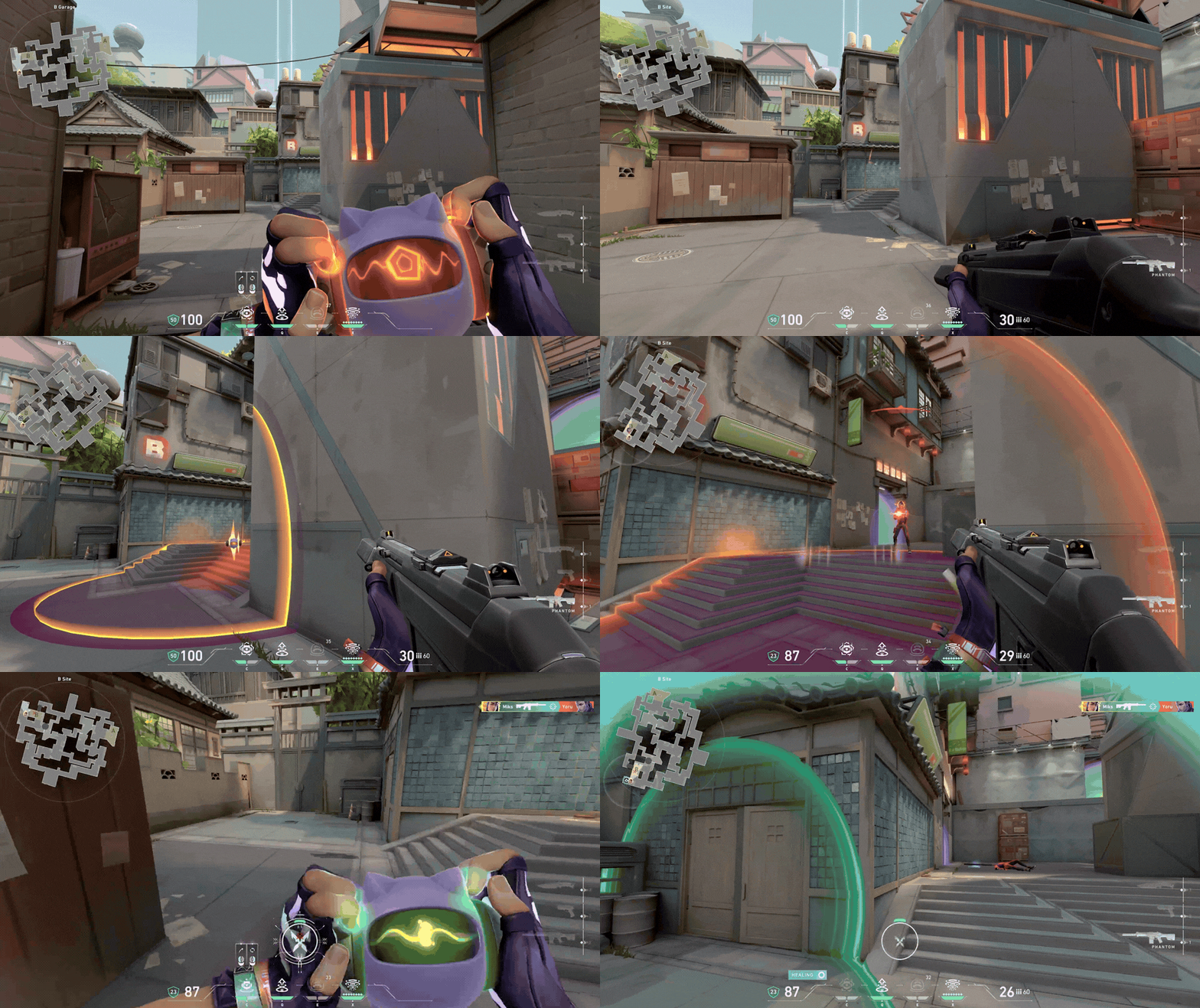
Equip the M-Pulse device and toggle between two modes with ALT-FIRE. One mode emits a concussive pulse that disorients enemies; the other radiates healing waves that mend teammates inside the area. Throw it, let it land, and the device pulses the chosen effect.
Compared to Skye, the healing is delivered passively through a ground deployable instead of a channel. The concuss option fills the Breach-style disruption role. Because the device affects zones, it’s strongest tossed into chokepoints or onto spike sites where clusters form.
Pro tip: if you expect retake chaos, place M-Pulse on the site edge as you commit—heals keep resmeters up while the concuss mode softens defenders before an entry.
Waveform (E)
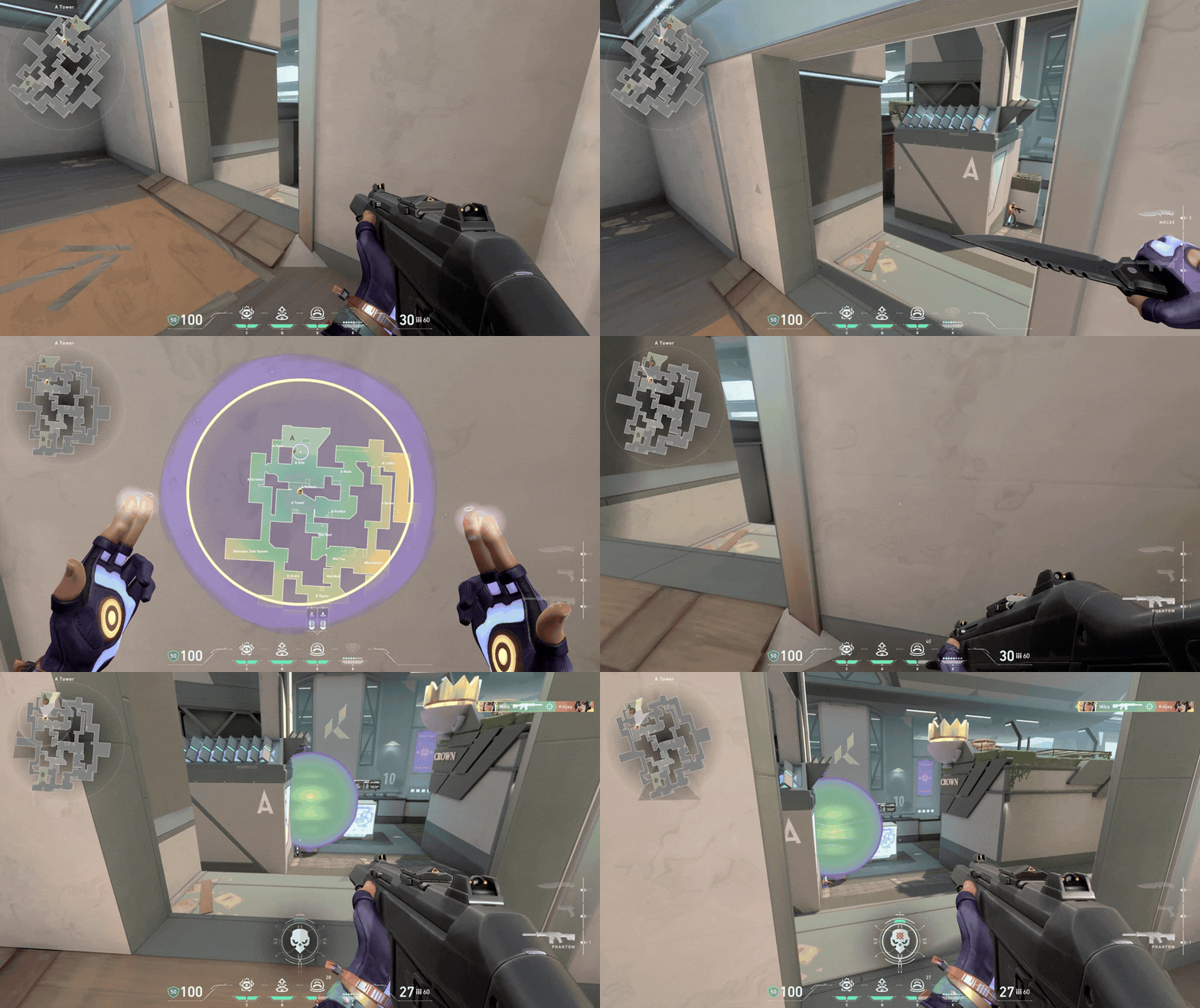
Equip Waveform to open a map targeter and mark smoke locations across the map. Place your markers (FIRE on PC), then deploy them instantly (ALT-FIRE on PC; consoles reverse the inputs).
Think Brimstone or Clove’s interface, but with instant deployment. That speed makes Waveform valuable for fast executes—smokes appear the moment you need them, cutting sightlines as your team moves in.
Use it to deny long peeks or to blind a rotation path while your team plants. When paired with a coordinated flash or M-Pulse concuss, Waveform lets you force fights on your terms.
Bassquake (X)
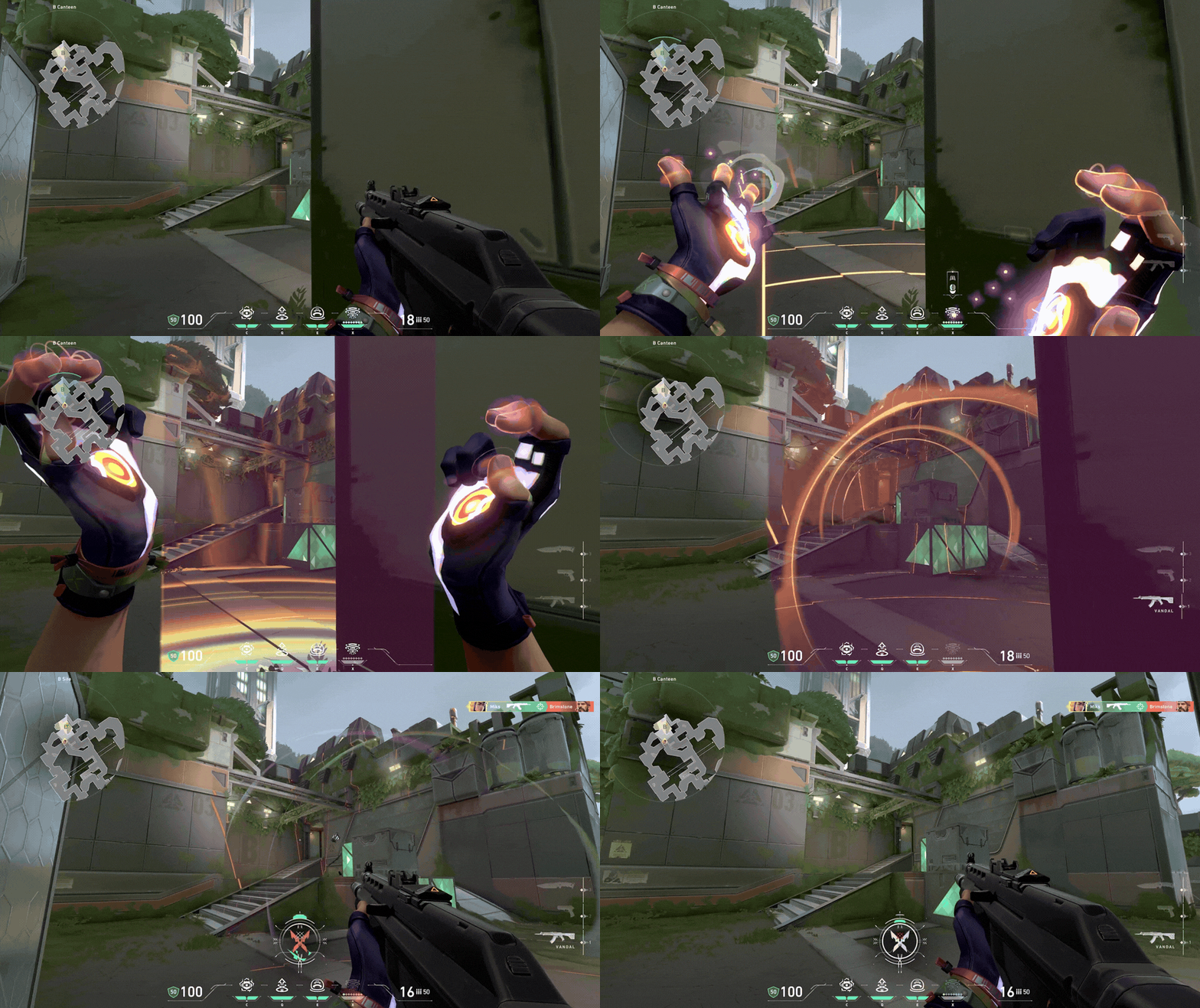
Charge Bassquake then fire a sweeping wave of Sonic Radiance forward. The explosion knocks enemies back, deafens them, and slows anyone hit in the cone.
Think of it as a hybrid between Breach’s disruptive power and Harbor’s area control. The knockback breaks tight defensive holds; it’s a round-winning tool when you need to collapse a setup or carve space for a plant.
Timing matters: a grounded Bassquake that pushes defenders off angles while your team floods the site is where this ultimate earns rounds.
Playstyle and Quick Tips
Observation: Pro teams win rounds by removing small advantages—one extra HP, a delayed peek, or a moment of silence. Miks gives you several of those micro-advantages bundled together.
Is Miks a support Controller?
Short answer: yes. He blends traditional Controller map control with explicit supportive tools. If your comp needs a healer who also blocks sight and disrupts entries, Miks is your answer.
Strategy checklist:
- Pre-round: assign Waveform markers and discuss which teammate will receive Harmonize during pushes.
- Execute: use Waveform smokes instantly as you commit, throw M-Pulse into the choke for either heal or concuss depending on need, then lean on Harmonize for trades.
- Retake: M-Pulse heals + Bassquake’s knockback are devastating when used together—heal your team while forcing defenders out of cover.
How do you play Miks in Valorant?
Start with a mental checklist: smoke timings, who gets Harmonize, and where M-Pulse will land. Practice Waveform targeter placements in custom games and watch VODs of professional players on Twitch and YouTube for lineups and tempo reads.
Tools that help: use Blitz.gg or Mobalytics for agent usage stats and Overwolf apps for quick heartbeat reviews of your demos. If you buy VP to experiment with skins, remember a small VP pack might be $4.99 (≈€5).
Final notes before your next game
Observation: Most Controllers are played as flex picks; Miks asks you to commit to the support lane while keeping control tools in hand. He rewards teamwork and timing more than raw aim.
Two final micro tips: keep Harmonize reserved for clutch moment trades instead of constant spam, and always consider which M-Pulse mode will create the bigger swing in the next 10 seconds.
If you had to pick one Miks ability to practice for a week, which would you master first and why?