
I dropped from a ridge with three enemies below and a single skill point in my pocket. You can feel the game tighten around you faster than the map loads if you waste that point. I learned on the fly which early abilities turn risky scrambles into controlled fights.
I’ll speak plainly: I play to keep my time invested and my deaths few. You’ll get recommendations here that prioritize survival, movement, and versatility so your first dozen hours feel like progress, not punishment.
Grappling
Observation: In real fights you reach for control the moment chaos starts—same in Crimson Desert.
I treat Grappling as a compact toolkit you buy confidence with. It lets you seize an enemy and throw, restrain, or lariat them, which shifts momentum instantly. Against groups or a single tough foe, grabbing someone removes their agency and gives you breathing room to chain attacks or reposition. Use it aggressively to break combos or defensively to stop a stagger-heavy enemy from finishing you.
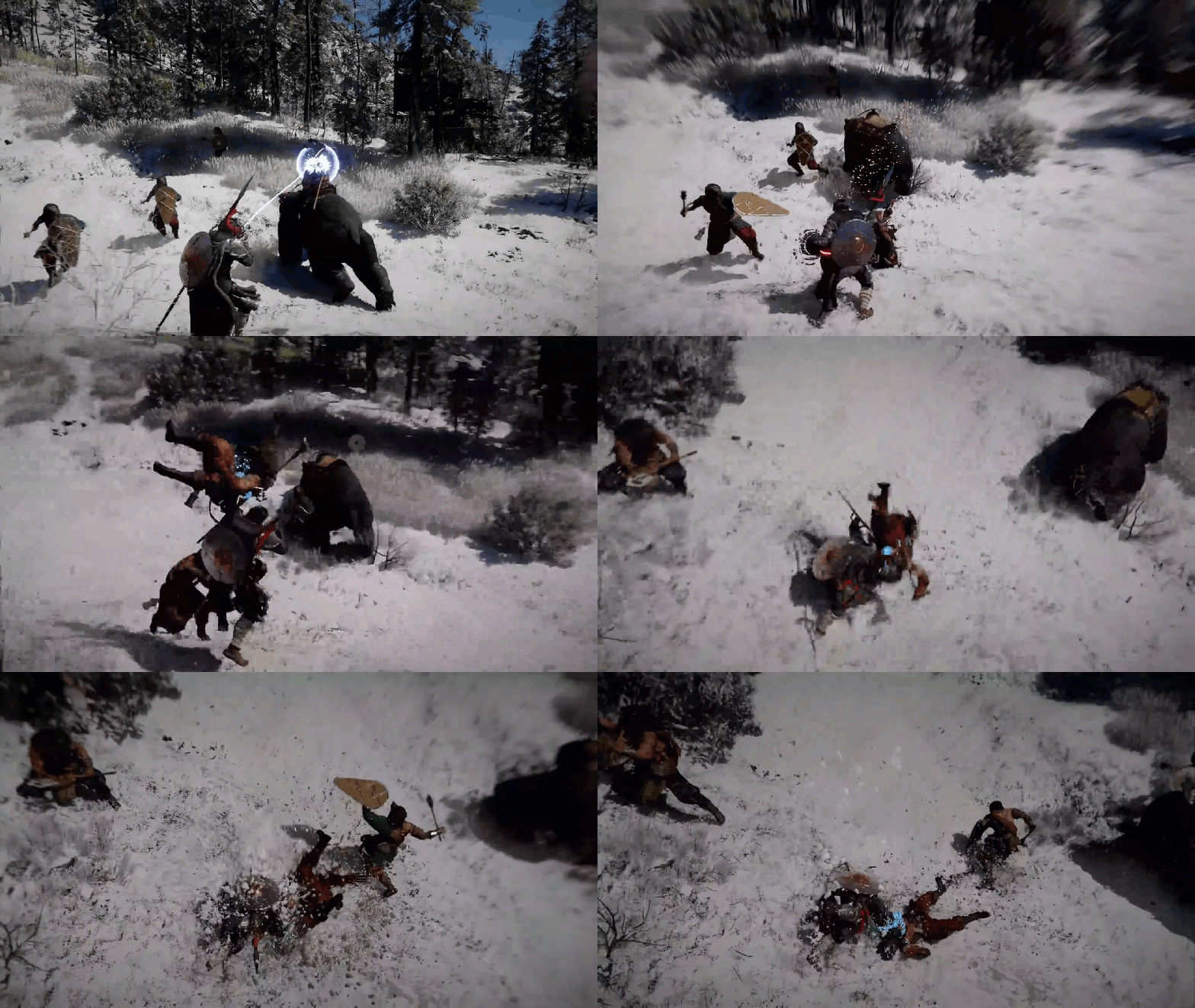
Small tip from my sessions on PC and console: invest early and then push its upgrade path. Grappling is a force-multiplier in tight encounters, and it makes otherwise scary fights feel manageable — like a conductor’s baton directing chaos.
Axiom Force
Observation: When a puzzle or gap appears, the map punishes you for missing a movement tool.
Axiom Force isn’t only for puzzles; it rewrites how you cross terrain. After boosting it, you can tug objects, swing to gain momentum, and launch over gaps that otherwise eat time. That mobility saves backtracking and opens access to shortcuts, hidden camps, and loot caches that reward exploration-minded players.
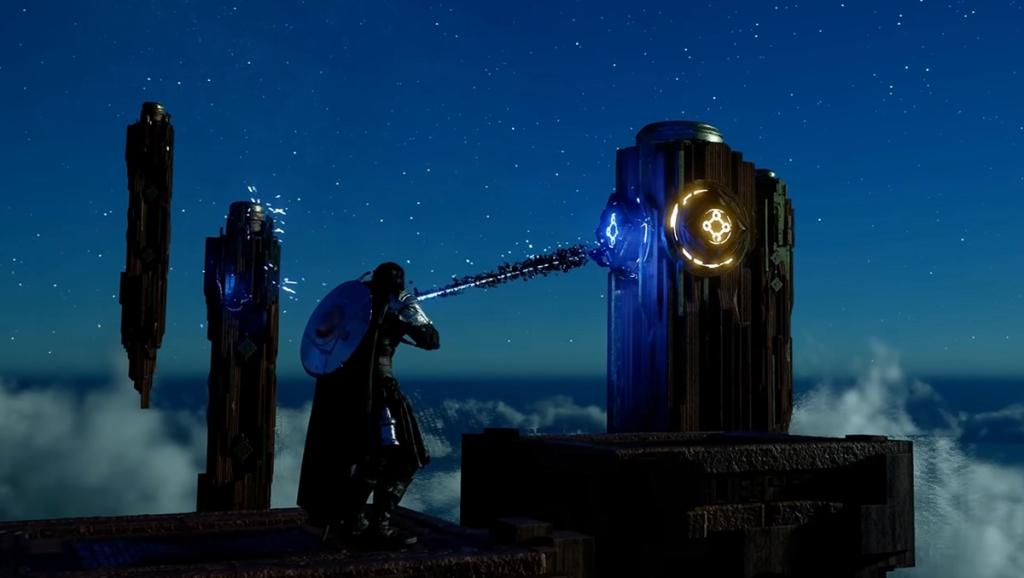
How do I use Axiom Force to traverse faster?
Think of Axiom Force as your mobility toolkit: aim at movable anchors, pull to build speed, then launch. In heavily vertical areas it shortcuts long treks; in puzzle rooms it reveals solutions faster than trial-and-error. Learn which objects respond early and you’ll save hours compared with aimless wandering.
Keen Senses
Observation: Skilled players win exchanges by reading telegraphs and punishing mistakes.
Keen Senses sharpen your timing. The skill chain leads to parry, backstep, and counter abilities that flip incoming pressure back onto enemies. If you enjoy timing-based play, this is where you earn free windows for heavy damage. Even if you favor button-mashing, the counter options dramatically raise survivability in boss fights and encounters with stagger mechanics.
Flight
Observation: The map’s scale punishes slow ground travel; shortcuts matter.
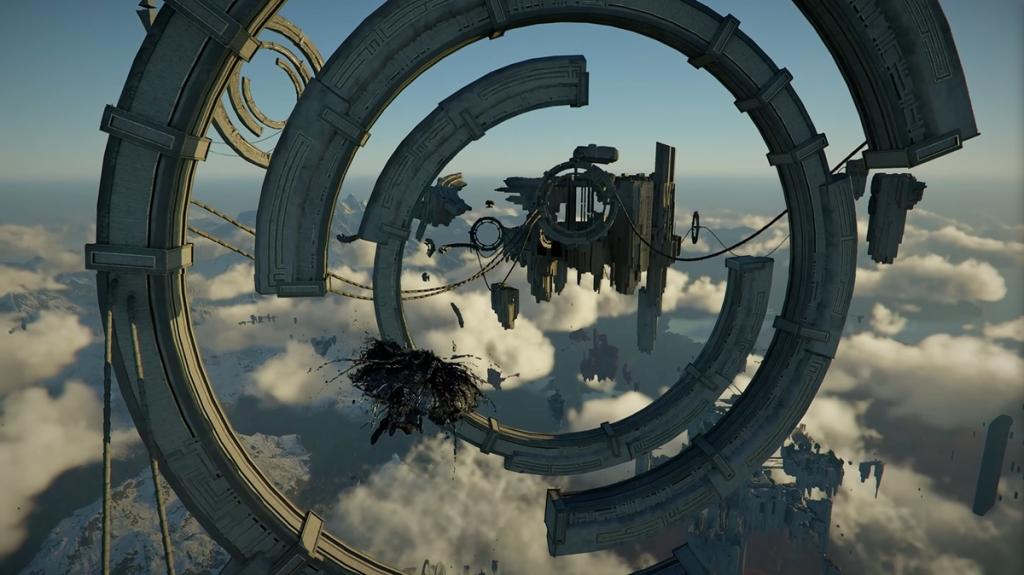
Flight is strictly gliding, but once upgraded it turns long treks into short hops and opens aerial approaches on enemies and camps. Invest early if you value time saved and surprise attacks. Flight also reveals vantage points for scouting and planning — the difference between walking into an ambush and arriving on your terms, like opening a skylight above a long hallway.
Dropkick
Observation: When you’re swarmed, a single tool that clears space is worth more than raw DPS.
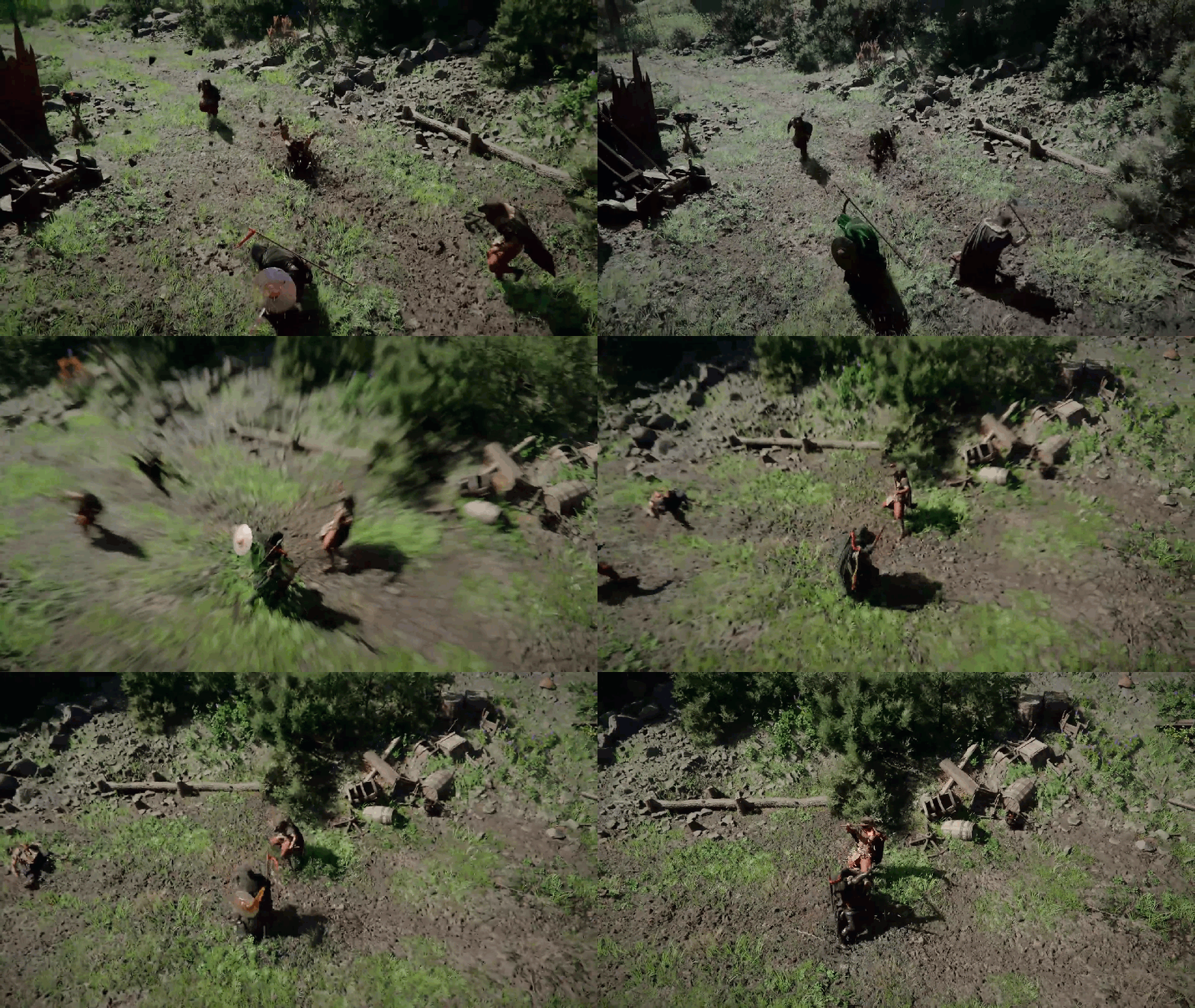
Dropkick sits in the Blue tree and shines early for crowd control. It staggers multiple foes, buys breathing room, and lets you toss enemies off cliffs for instant execution. It feels simple at first, but it turns chaotic skirmishes into manageable windows where you set the pace.
Armed Combat
Observation: Your basic attack is the one tool you use most; small gains compound quickly.
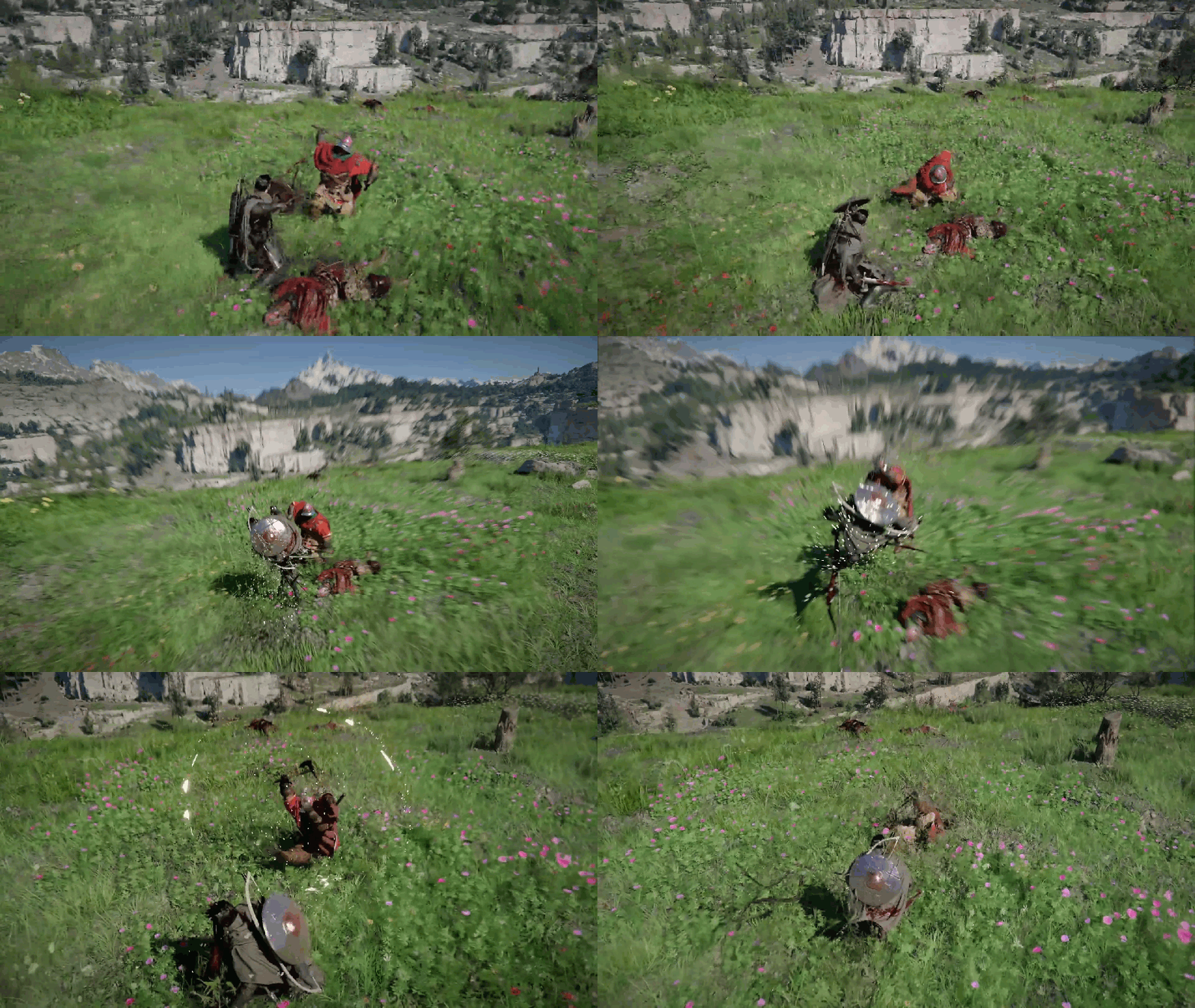
Armed Combat is granted by default, but investing skill points here is one of the easiest ways to scale early damage. Upgrading basic swings increases clear speed and unlocks prerequisite levels for stronger combat abilities. If you want fights to feel cleaner and faster, prioritize a couple of levels in this branch early.
Imbue Elements
Observation: Enemies carry weaknesses; exploiting them shaves fights down fast.
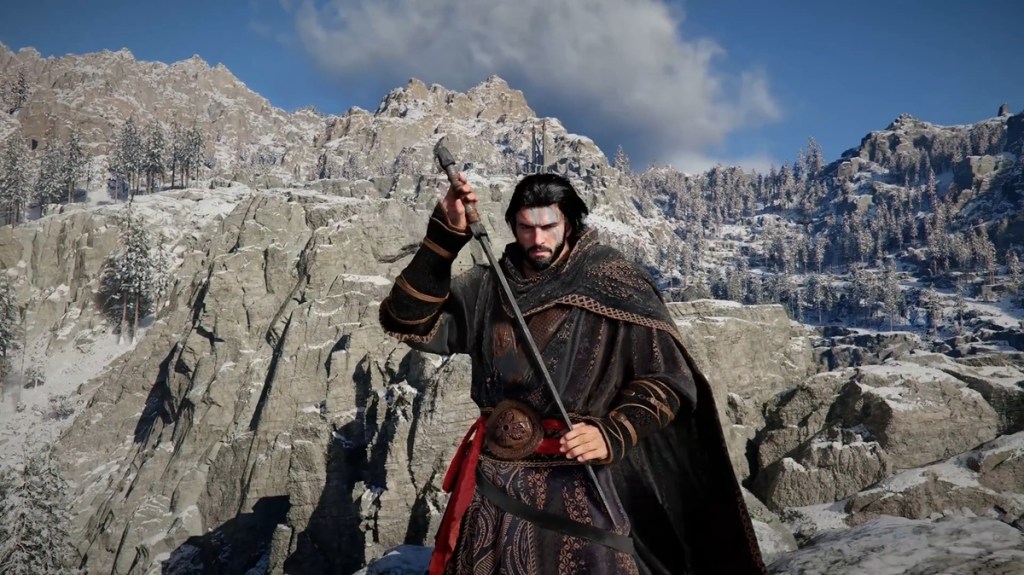
Imbue Elements lets you add fire, ice, or lightning to your attacks, turning generic hits into weakness-exploiting damage. This multiplies the value of your existing skills and opens tactical choices against armored foes or elemental-weak mobs. If you play with weapon or skill combos, this ability upgrades your toolkit without forcing a gear swap.
What early skills should a beginner pick in Crimson Desert?
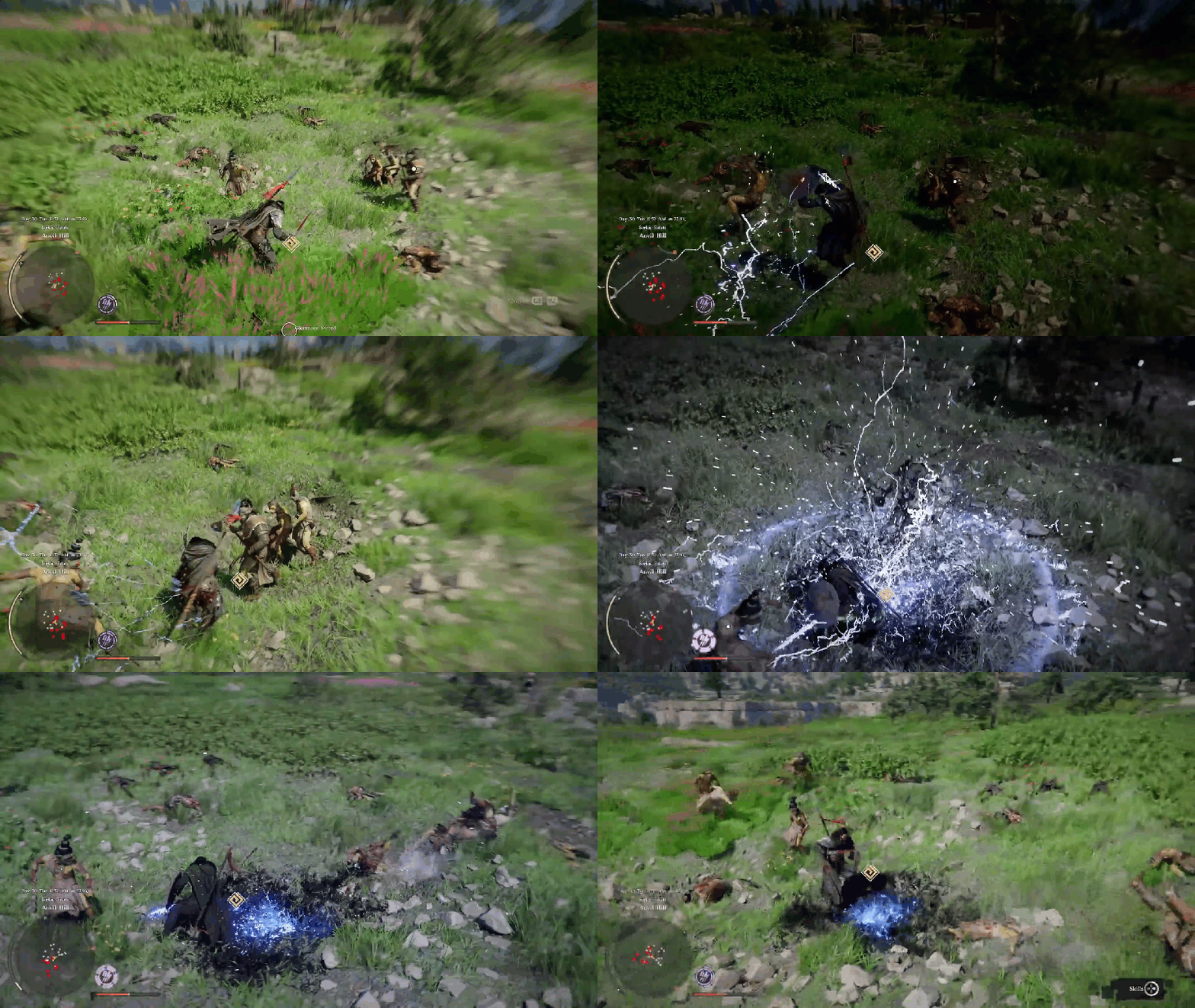
If you want a tight, survivable start: prioritize Armed Combat for steady damage, Grappling for control, and either Dropkick or Keen Senses depending on whether you prefer area control or precise counters. Axiom Force and Flight make exploration less punishing; Imbue Elements scales your toolkit. Combine a mobility, a control, and a damage upgrade in your first three or four points and you’ll avoid most early headaches.
Tools and communities that helped shape these choices: official Pearl Abyss notes, Steam discussion threads, and Discord squads where players share build clips. I also cross-checked with guides from IGN and a few YouTube creators who test movement tricks on PC and console.
Have you tried a different first-three build that felt better in practice—what surprised you most about your first dozen hours?