
Your phone buzzes: three hours of boosted water spawns are live and the nearest park is five minutes away. You grab a handful of Poké Balls and wonder which shiny might finally click into place. I’ve chased these events long enough to tell you where the real value sits.
I’m writing from the trenches of Niantic events and testing hundreds of encounters so you don’t waste time. Read this like a quick field briefing: what to catch, when to be outside, and what to buy if you’d rather spend a couple of euros than spin another stop.
Pokemon GO Replay Water Research Day Start and End Time
On a busy Saturday afternoon, dozens of players will glance up from their screens and head for water—timing is everything.
Start: Saturday, March 21, 2026 at 2:00 PM local time
End: Saturday, March 21, 2026 at 5:00 PM local time
When does the Pokemon GO Replay Water Research Day start?
The event begins on March 21, 2026 at 2:00 PM local time and runs for three hours—plan your route or you’ll miss the prime window.
Pokemon GO Water Research Day Features
At crowded PokéStops, you’ll notice more blue icons and faster spawns—this is where value accumulates.
This Replay Water Research Day focuses on boosting Water-type encounters and shiny odds. You’ll be spinning Field Research at PokéStops to pick up tasks and encountering a heavier flow of water Pokémon. Think of the spawn increase like a faucet finally turned on: the flood is short but useful.
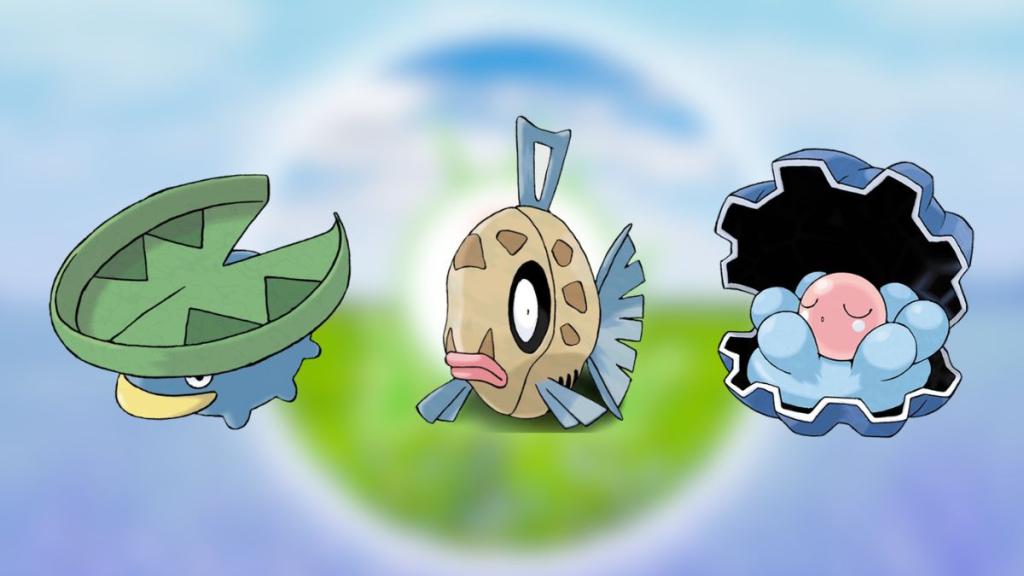
- Field Research Tasks will reward encounters with Lotad, Feebas, and Clamperl.
- The shiny odds for Lotad, Feebas, and Clamperl from Field Research are highly increased.
- Field Research Tasks appear after spinning PokéStops once the event goes live.
Which Pokemon will get a boosted shiny rate?
Lotad, Feebas, and Clamperl get the shiny boost. If you want a shot at any of those rare color variants, prioritize completing Field Research during the three-hour window.
Replay Water Research Day Spawns
By the side of ponds and rivers you’ll see clusters of players—and the spawn table below explains why everyone hangs around the water’s edge.
Below are the primary water-related spawns during the event. The table preserves the in-game images and shows which Pokémon can appear shiny (marked with a star).
| Pokemon | Type |
|---|---|
 Magikarp* |
Water |
 Chinchou* |
Water / Electric |
 Mareanie* |
Water / Poison |
Stock up on Poke Balls, Razz Berries, and Nanab Berries before the event starts. Use tools like PokéNav or PokéTool to plan routes and check local PokéStop density—Niantic’s spawn windows are short and focused.
Field Research Tasks
At a busy stop, people will spin once and sprint to the next — Field Research is how you reliably collect Lotad, Feebas, and Clamperl.
Spin PokéStops during the event to receive Field Research. While Niantic hasn’t published every task variation, the rewards are expected to include encounters with Lotad, Feebas, and Clamperl. I recommend saving a few Poké Balls for those guaranteed task encounters rather than gambling on random spawns.
Paid Timed Research
On your screen, the purchase button will be a small decision that yields consistent rewards for a small fee.
There will be a Paid Timed Research option priced at US$1.99 (€2). That purchase opens a short list of tasks that reward event-themed Pokémon, XP, and Stardust.
Niantic will also offer a Replay Water Research Day Ultra Ticket Box for US$1.99 (€2), which includes an event ticket plus two Rare Candies—handy if you’re saving candies for a specific evolution.
How much does the Paid Timed Research cost?
The priced timed research and the Ultra Ticket Box each cost US$1.99 (€2). If you use Apple App Store credits or Google Play balance, check local pricing which may vary slightly.
I’ve covered dozens of these three-hour windows for outlets that include The Pokémon Company news and event posts; time and placement matter more than chasing every spawn. Think about where you’ll be standing and whether you want to spend a couple of euros to guarantee a few encounters.
The event’s short, sharp burst of value is as precise as a tide clock—plan a route, spin every stop, and make your throws count. Will you spend the time or the money to chase a shiny Lotad, Feebas, or Clamperl this weekend?