
The klaxon goes off and everything goes wrong in a blink — I’ve sprinted off rooftops for less. You can hear Shani’s grin over the comms: this is the experiment that makes ARC move. Stay quick, take the tools, and don’t dawdle.
I’ve run this route myself on Steam and Xbox builds; you don’t need a stacked loadout, but you do need a plan. I’ll walk you through the three triggers, the one-minute choices that keep you alive, and the little annoyances that can ruin the run.
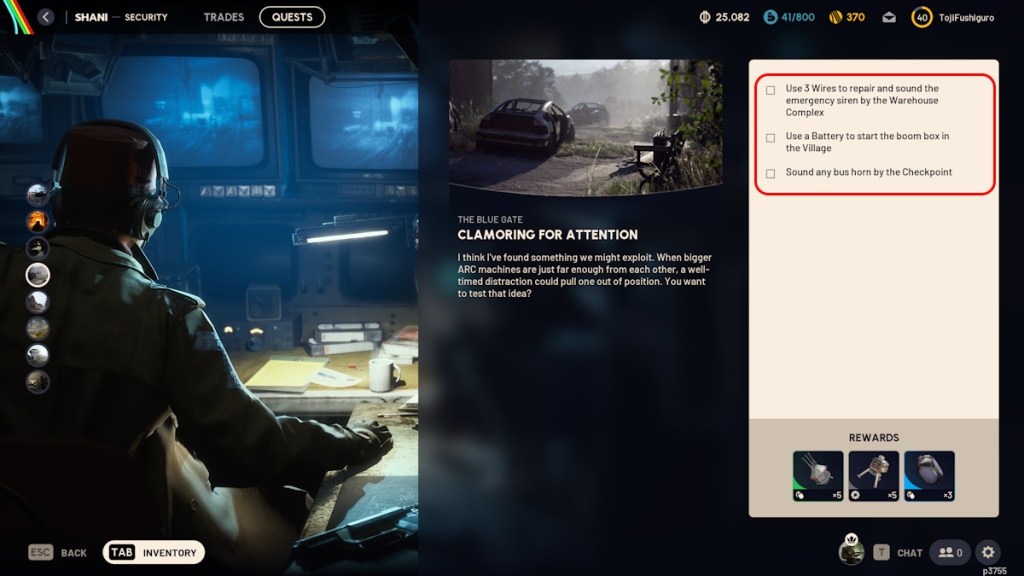
How to Complete Clamoring for Attention Quest in Arc Raiders
You’ve heard a car alarm at night and felt your heartbeat match the pulse — that real-world jolt is the same trick Shani is testing on ARC. The quest is short: hit three sound sources across the Blue Gate map so a larger ARC threat moves away from its patrol spot.
Here’s the bottom line I stick to: bring 3x Wires and 1x Battery to shave minutes off the run. You can scavenge those items mid-raid, but that drags a 5–10 minute job into something longer and messier.
What is the Clamoring for Attention quest in Arc Raiders?
Shani asks you to set off three distinct noises on the Blue Gate map — a rooftop klaxon in the Warehouse Complex, a boombox in the Village, and a bus horn at the Checkpoint. Trigger all three and report back to Shani under the Traders tab (available on Steam, PlayStation, and Xbox storefronts).
Step-by-step: The Three Triggers
A street musician swapping a battery and making a crowd take notice is a small, human example of the effect Shani wants — you do the same to machines. I’ll give you the short route, the tool list, and the escape arcs so ARC doesn’t pinch you.
1. Warehouse Complex Klaxon
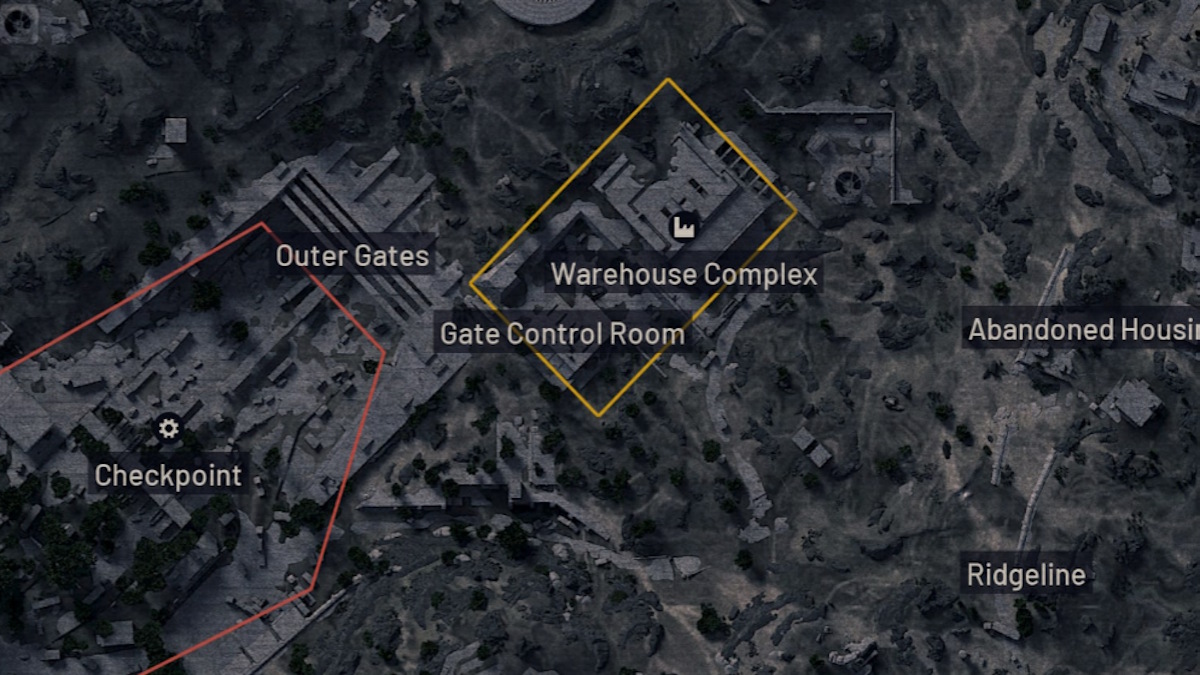
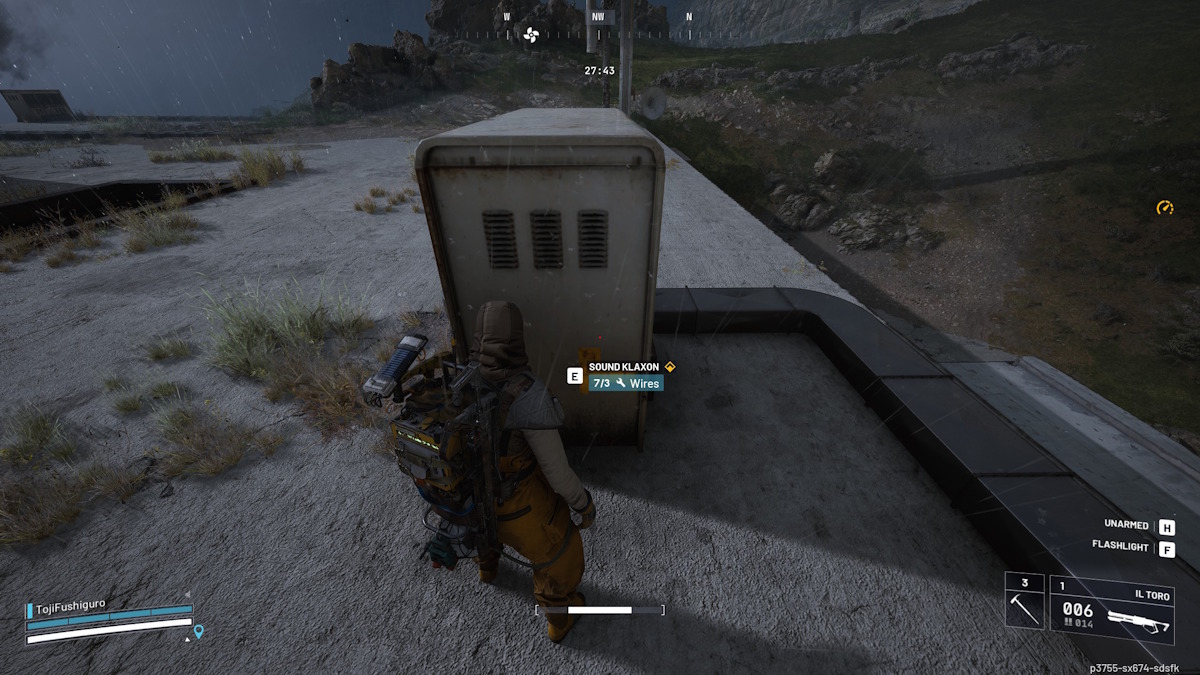
Drop into Blue Gate, sprint to the Warehouse Complex roof, and locate the generator-like device. Use a Wire to connect it and the klaxon will scream like a flare in a storm — immediate attention, then run. Don’t hang around; ARC units will converge fast.
2. Village Boombox
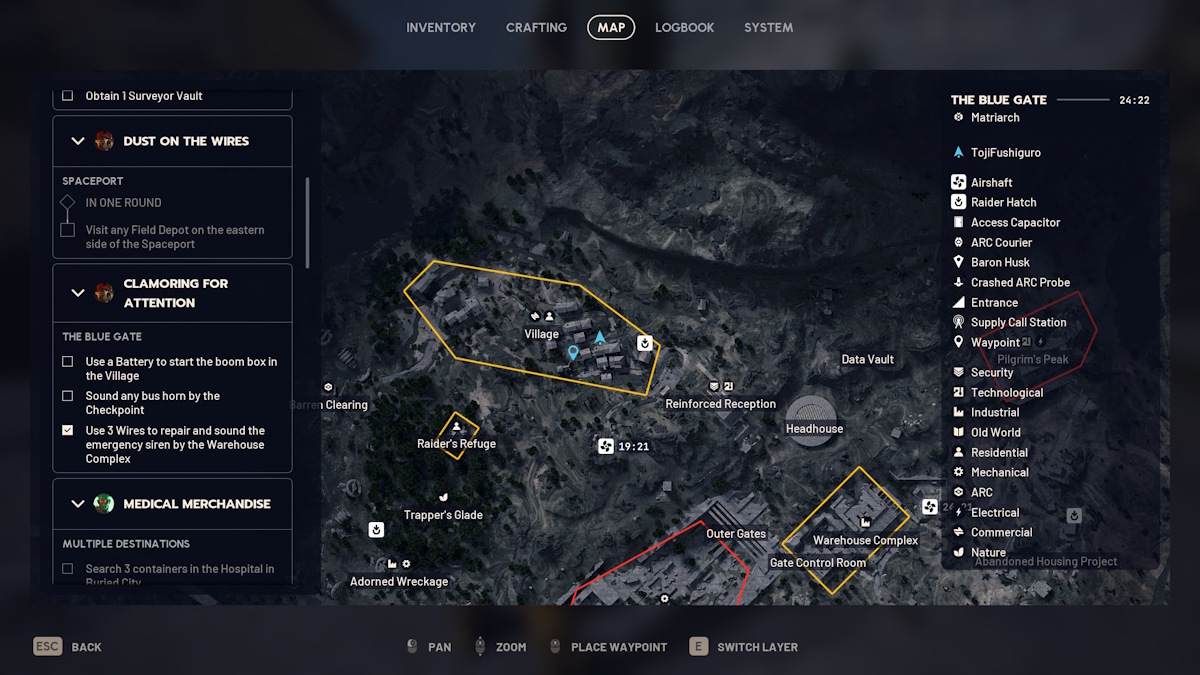
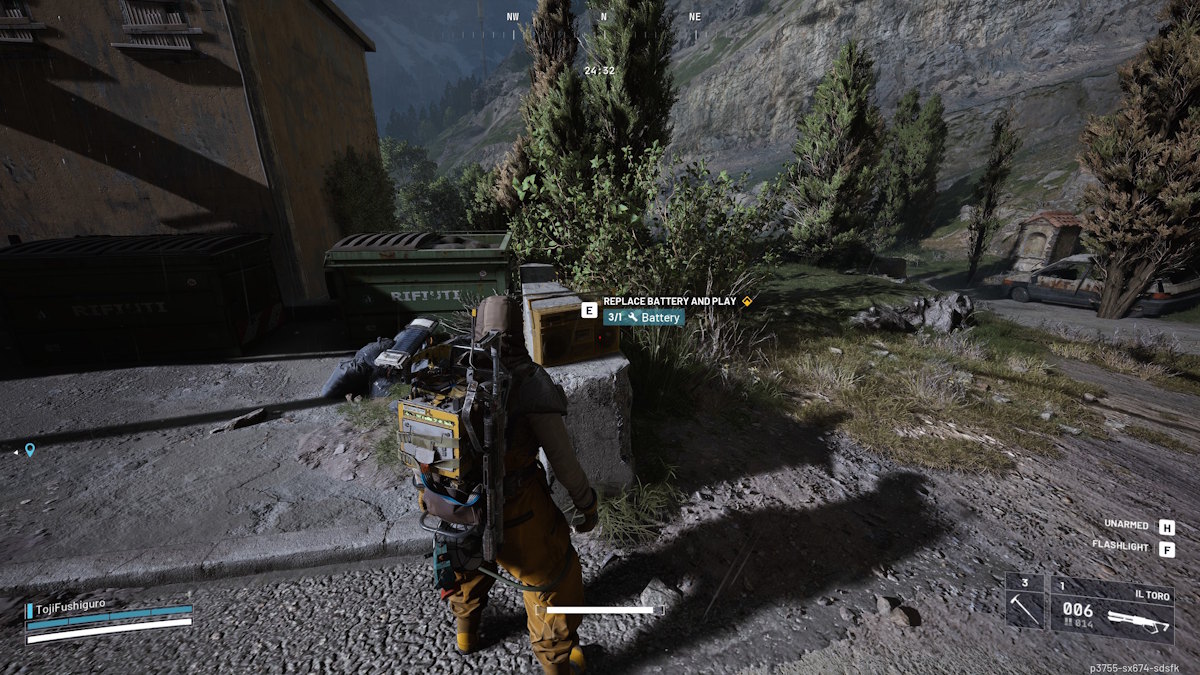
The boombox sits near a trash pile in the Village marker. Replace its battery with the one you carried and let it play — the sound profile draws enemies. Quick swap, then leave the area; the noise will do the rest.
3. Checkpoint Bus Horn
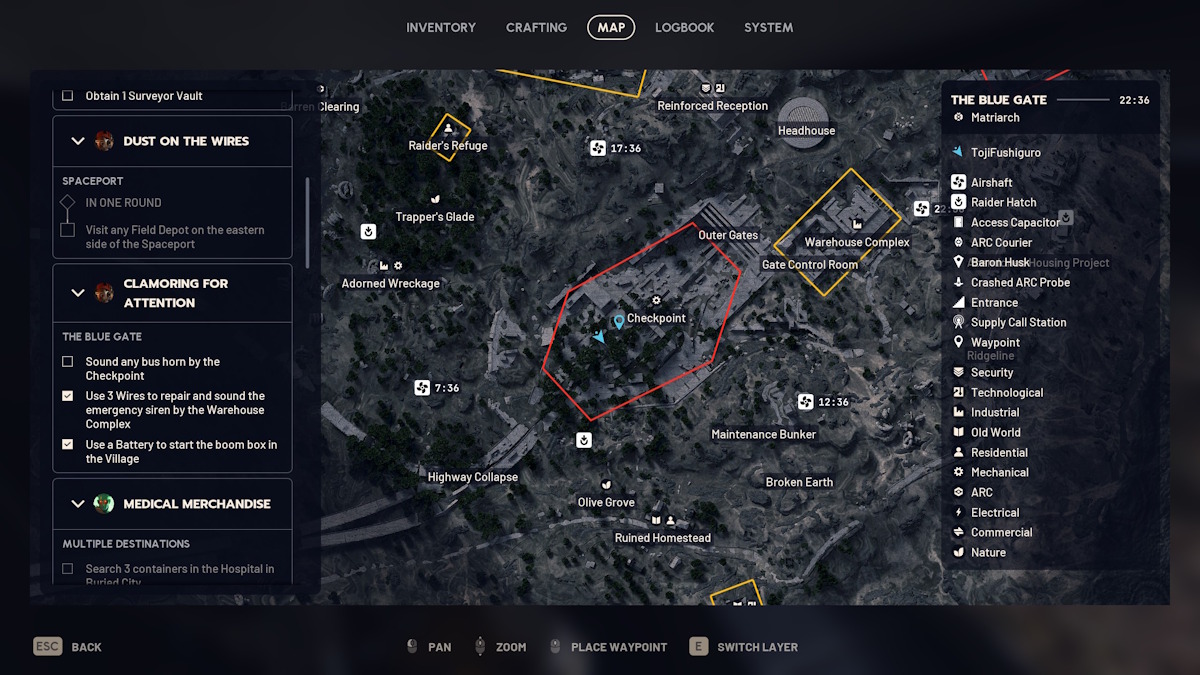
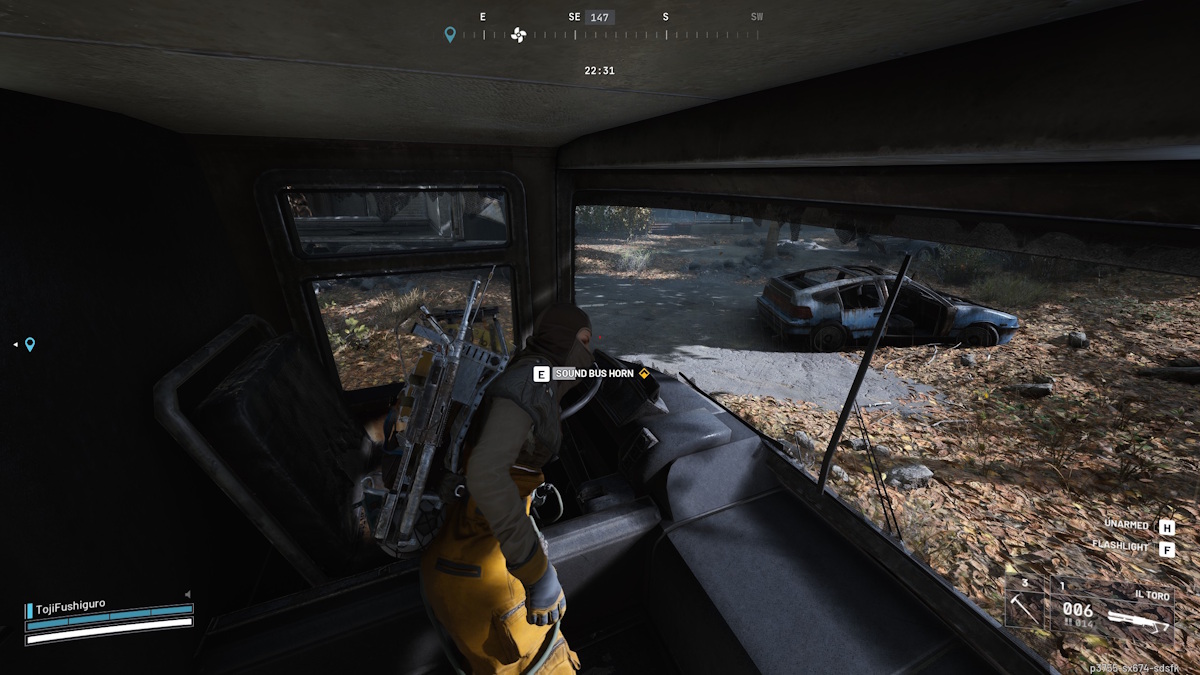
At the Checkpoint, find the abandoned bus we mark on the map, hop inside, and hit the horn. No tools required for this one — just be ready for immediate pressure after the sound goes off.
How do I complete the Clamoring for Attention quest quickly?
Speed and placement are your friends. Spawn, sprint to the Warehouse roof, wire the klaxon, then loop through Village to replace the boombox battery, and finish at Checkpoint for the bus horn. If you keep the three items on you, this is a 5–10 minute run on PlayStation or PC. If you scavenged, expect a few extra minutes of searching and more fights.
Rewards and Why They Feel Small
On the street, a loudspeaker gives out fliers — small favors, but useful. The quest pays in noise tools rather than currency or rare gear, so don’t take it for instant profit.
What are the rewards for completing the Clamoring for Attention quest in Arc Raiders?
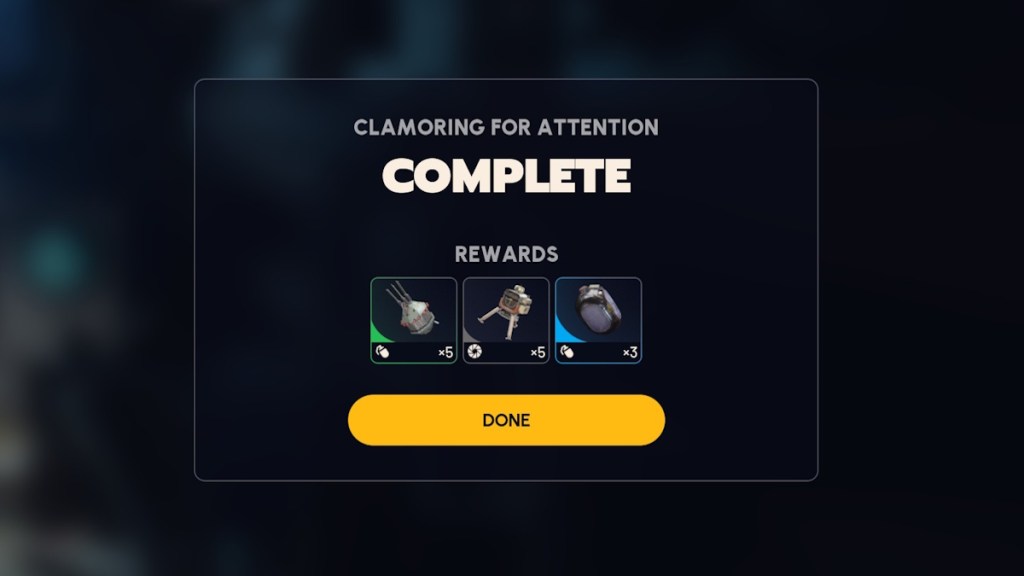
Shani pays out noise-focused gear under the Traders tab. After you hand in the quest you receive:
- 5x Lure Grenades
- 5x Noisemakers
- 3x Tagging Grenades
Useful if you play stealth or distraction-focused loadouts, less exciting if you expected weapon skins or rare cores. Players on Steam and console storefronts have reported the same haul; Moyens I/O’s in-game captures match these drops.
Quick Tips I Use Every Run
A real-world rule I follow: bring the exact tool, not a trunk of extras. The same applies here — carry 3 Wires and a Battery and you’ll close the loop fast.
- Plan your route: Warehouse roof → Village boombox → Checkpoint bus.
- Stick to light loadouts to move faster and avoid fights.
- If you play with a squad, mark the objects so someone can bait while others run objectives.
- Expect the loud noises to draw heavy ARC presence; have an exit path mapped.
The reward is modest and tactical; the satisfaction is watching ARC re-route because you made noise. Will you run it for the gadgets or skip it for higher-value tasks — and why?