
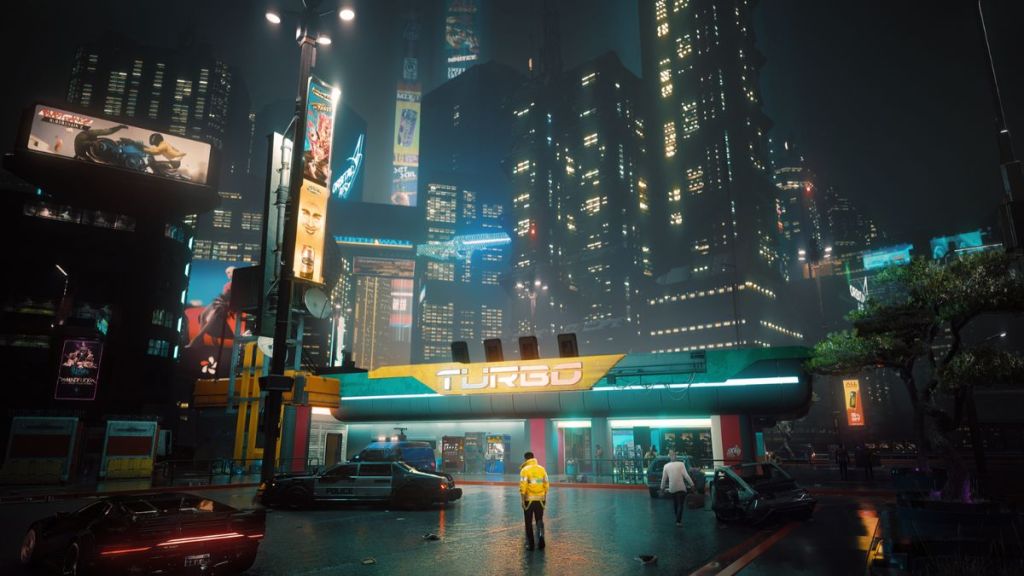
My thumb hesitates over the PlayStation 5’s glowing logo. For a beat I tell myself I’ll try something new, then the selection snaps to Cyberpunk 2077 and the neon feels like a safe exhale. I stay because leaving Night City always makes the real night louder.
I write about games for a living, and yet I choose familiarity when the console wakes. You’ve done it too: scrolling past the fresh release, clicking into the map you already know. That reluctance isn’t laziness. It’s a quiet, stubborn form of grief.
The Second Life Factor Fueling RPGs’ Addictive Nature
You notice the same barista every morning and their arrival shapes your day’s rhythm.
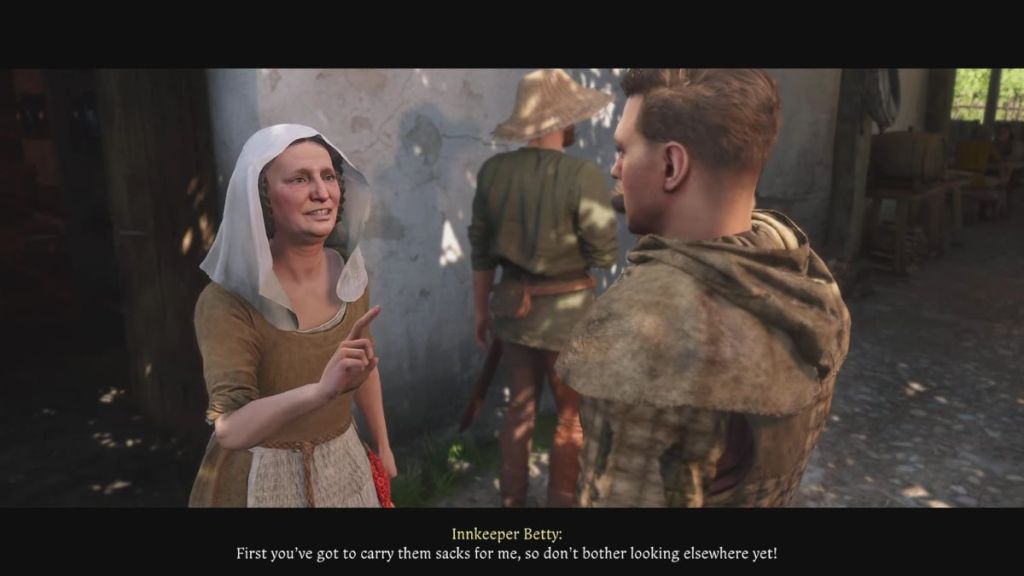
That’s how RPGs operate: they hand you a tiny, repeatable schedule and suddenly small acts—buying bread, talking to an NPC, sleeping in a specific inn—become ritual. I spent hours in Kingdom Come: Deliverance’s Troskowitz learning which merchant cheats and which innkeeper, Betty, sleeps off the morning with a grumpy smile. Those rituals stitch a game’s geography into your memory the way a commute etches a city into your bones.
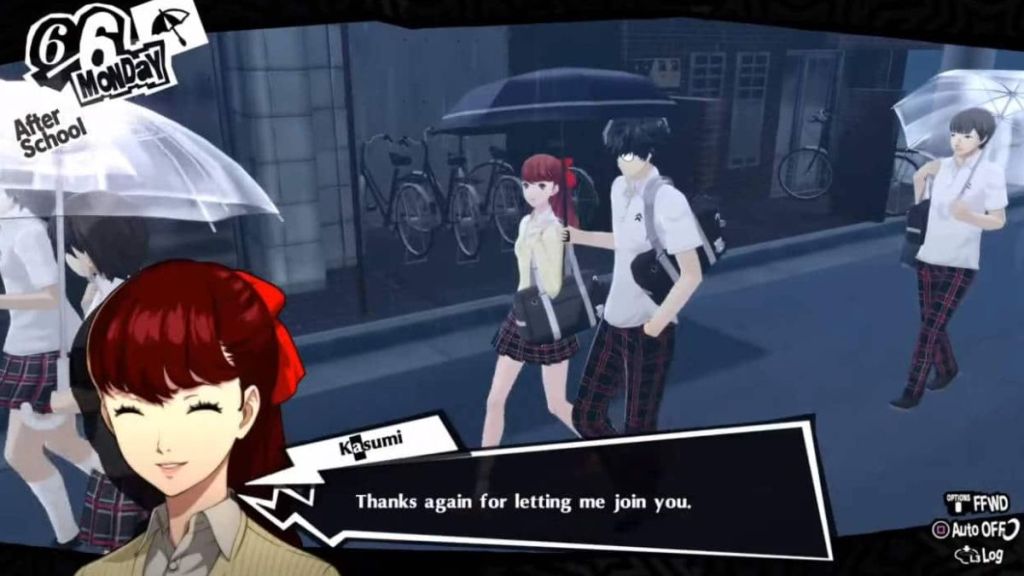
Games like Persona 5 turn that rhythm into a mechanic. Atlus forces you to choose how to spend finite hours—study, hang out, grind a dungeon—so every choice becomes meaningful. You don’t simply perform actions; you build a cadence. That cadence turns synthetic characters into companions and street corners into unofficial landmarks.
Why do RPGs feel so personal?
Because they let you rehearse life’s small, repeated decisions under controlled conditions. You assign priorities, accept trade-offs and watch consequences unfold. That practice gives you a sense of authorship: your V, your Courier, your Joker—none of them are handed to you finished. You helped write them.
Choices That Make You—and Consequences That Keep You
In real life we agonize over emails and job offers; in game, the stakes are concentrated and visible.
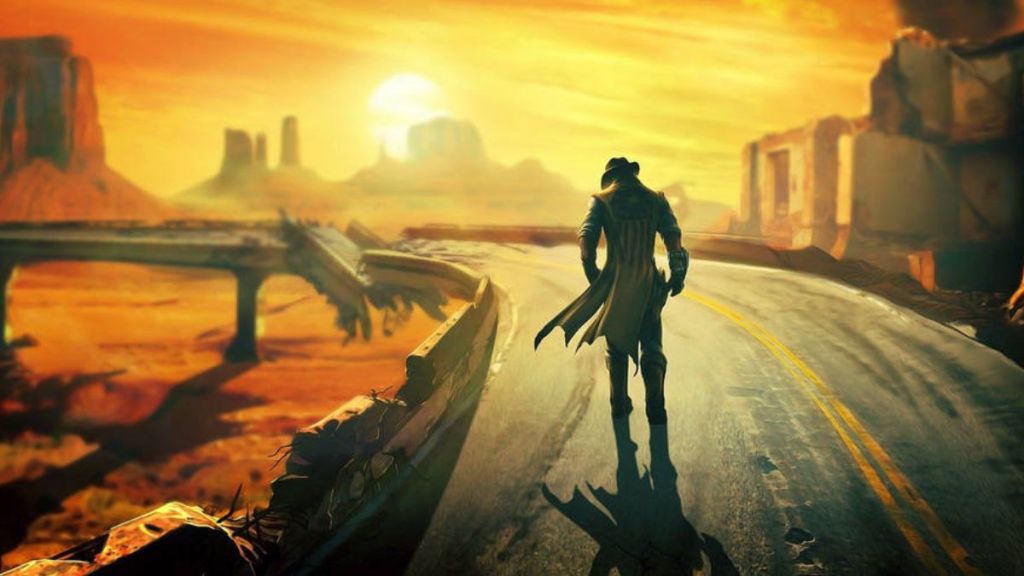
RPGs compress moral fog into clear forks. Fallout: New Vegas lets you see the ripple of an hour’s choice across a whole map. Tell Sheriff Slim to hold the town and you’ll find him patrolling because of your hours at the keyboard. Tell Veronica to leave and there’s a new static in dialogue for the next dozen scenes. Those affective echoes are rare outside games—here, you get to try a risky route, reload a save and test the outcome without a real-world bill to pay.
That agency makes endings feel earned. When the credits roll you don’t just feel completion—you feel ownership. And when that ownership ends, a gap opens. Psychologists call the aftershock post-game depression, and Reddit threads, Twitch streams and even academic studies track it. Developers at CD Projekt RED, Bethesda and Atlus design systems that invite that attachment, whether through branching narratives, companion arcs or time-based mechanics.
What causes post-game depression?
It’s the sudden loss of a structured, reward-rich environment that promised progression and social ritual. You go from a world that scheduled your wins to one that leaves you to make your own. The trick publishers know is that social features—mods on Steam and GOG, community challenges on Twitch—can extend that sense of belonging, but they don’t replace the private ache of a finished story.
Why You Keep Returning Even When There’s Nothing New
Outside the game you close tabs and the quiet creeps back; in Night City the noise is purposeful.
I’ve had dozens of unfinished titles on my PS5, but I keep choosing a well-worn Neon lane. Part of it is the comfort of routine; part of it is the freedom to refine the persona I want to be. RPGs are like a second skin—sometimes it fits better than the one you’re wearing today. They’re also a slow-burning novel you can rewrite when the ending doesn’t sit right.
Developers monetize that attachment—season passes, DLC, microtransactions on platforms like Steam and the PlayStation Store—but attachment precedes monetization. The emotional architecture is the product: characters you trust, towns you patrol, choices you can live with. That’s why save files feel like journals.
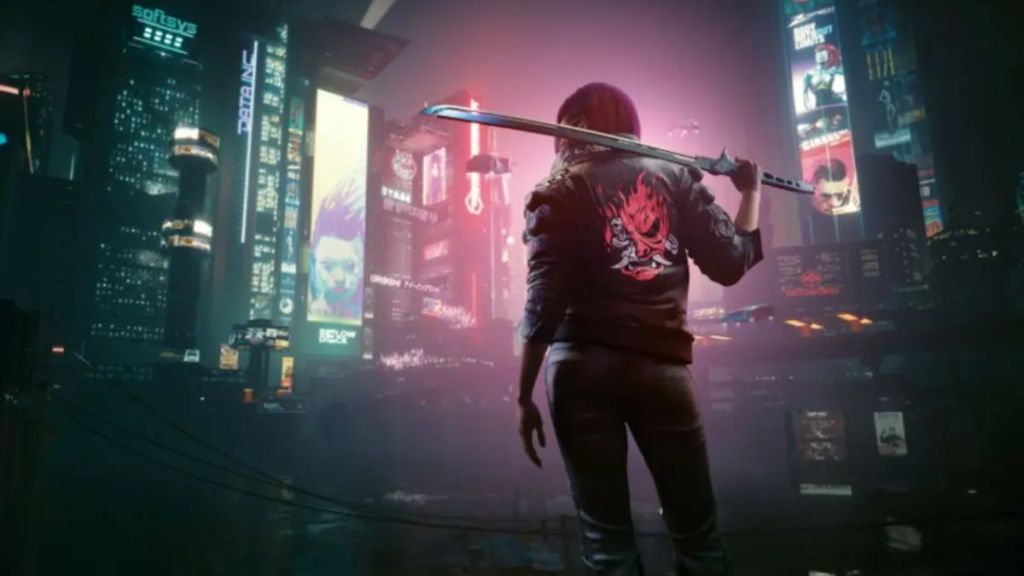
You don’t need an apology to feel attached; you need time, consistent cues and a reason to care. Developers provide the hooks: companion quests, daily loops, moral trade-offs and visible consequences. Communities on Reddit and creators on Twitch then turn private endings into public rituals, stretching a game’s life past its credits.
How do developers design attachment?
Through systems that reward routine and consequence: companion arcs that change dialogue, time budgets that force prioritization, and branching outcomes that make replays meaningful. Tools like Unreal Engine and Unity let creators iterate faster; platforms such as GOG and Steam support mods that keep stories alive long after release.
You can reduce post-game grief by sequencing game time—play shorter, story-rich titles between epics, or archive a save and come back later. But honest answer? Sometimes you return because the game still holds a version of you that real life hasn’t made possible yet.
So tell me: which world are you holding onto, and why won’t you let it go?