By 2025, the once-uncontested titan of first-person shooters, Call of Duty, was facing an uphill battle for relevance. The player counts had plummeted, and unit sales for Black Ops 7 were disappointingly low. It seemed like the franchise had vanished from the trending conversations about live-service games.
That disappearance is particularly troubling for CoD’s future. Although some of its recent titles were hit-or-miss, they usually managed to hold some cultural sway. Nowadays, however, players are more entranced by Fortnite’s blockbuster crossovers or Marvel Rivals’ even grander line-up of heroes. Even dedicated Call of Duty enthusiasts seem to be more invested in bashing Battlefield 6 than diving into the latest offerings from their favored franchise.
In a last-ditch effort to regain player trust, Activision launched a week-long free trial for Black Ops 7—a mere month after its official release. Sadly, even this generous gesture didn’t stir up much excitement. The franchise is clearly enduring an identity crisis, a reality squarely at Activision’s doorstep.
Although I hold my share of frustrations toward Activision, I genuinely want to see Call of Duty return to its glory days. After all, it’s a franchise that has crafted unforgettable moments for gamers, including myself. Therefore, I want to delve into what went wrong, the attempts to win back fans, and the very real crisis the franchise now faces.
How Call of Duty Exhausted Its Audience With Relentless Mediocrity
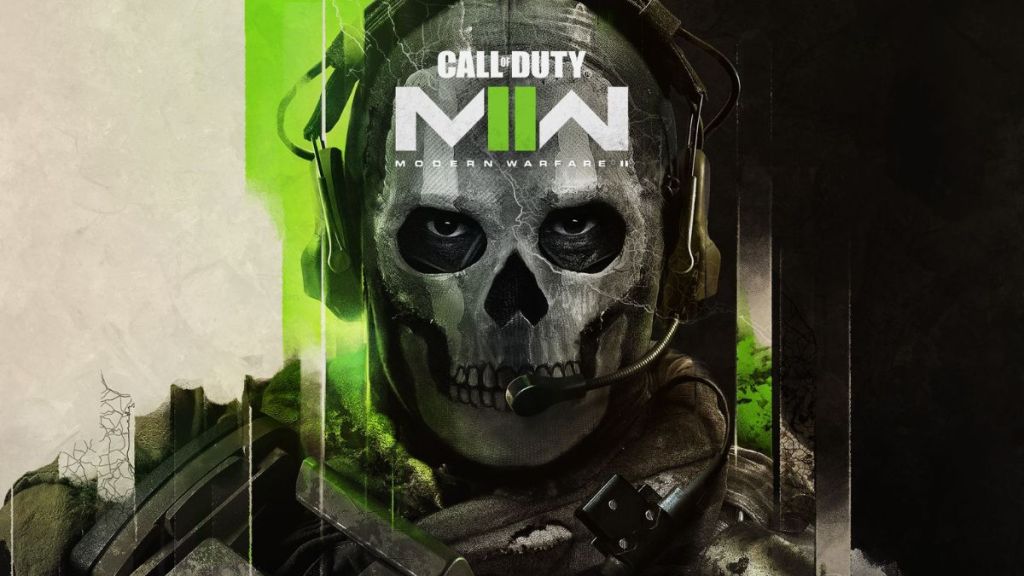
The decline of Call of Duty wasn’t an overnight occurrence. Signs of trouble were apparent as early as 2022 with Modern Warfare II. Despite being a commercial juggernaut, it failed to capture players’ hearts, leaving them to air grievances about the meager content in Season 1. Warzone 2.0 had its share of issues too, and the free-to-play battle royale struggled to regain its footing.
To make matters worse, Activision quickly followed up with Modern Warfare III, slapped together without much foresight. While I can appreciate MW3’s multiplayer function, the campaign was lacking, leading to dissatisfaction among fans.
On the bright side, Black Ops 6 started on a high note, with its dynamic single-player campaign drawing in casual gamers and the return of Classic Prestige appealing to die-hard fans. But the enthusiasm hit a wall when Ranked Multiplayer faced a flood of cheaters.
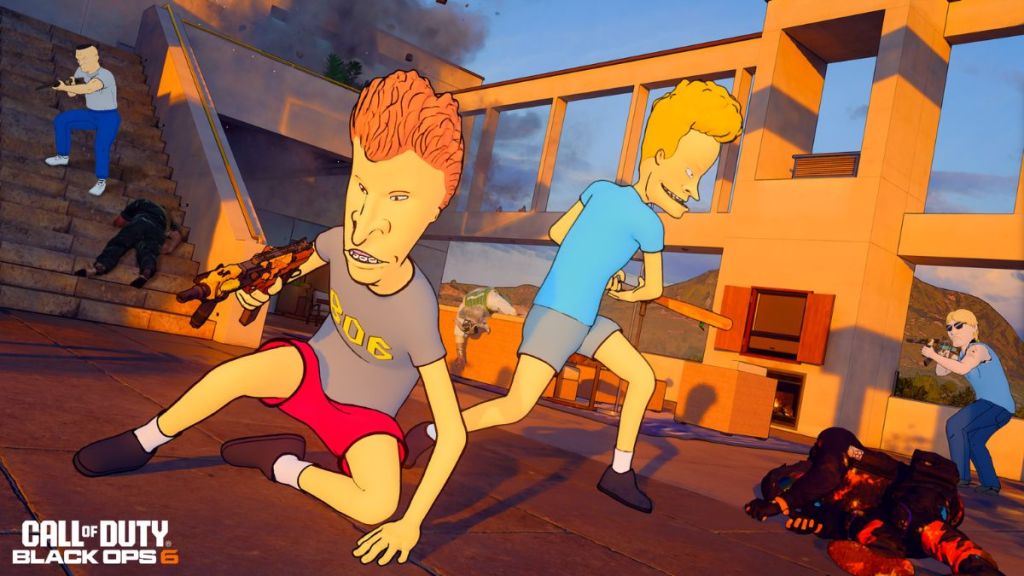
The backlash intensified, with fans and streamers denouncing the game on social media. Activision didn’t take action until Season 4, yet their attempts to capitalize on pop culture through crossovers—like characters from Beavis and Butt-Head—left fans feeling disillusioned. Suddenly, lobbies were filled with animated figures rather than a military vibe.
These collaborations were poorly received, as many long-time players felt they diluted the franchise’s essence. What was once a robust military shooter started to seem lost and unfocused.
The best move at that point might have been for Activision to step back and rethink its strategy, but instead, they opted for yet another run-of-the-mill Call of Duty centered on the near future. History repeated itself as another weak campaign accompanied a competent multiplayer, which hardly sparked anything new.
Black Ops 7 isn’t inherently bad; it captures the familiar mechanics players expect. However, it lacks the innovation needed to excite the fanbase. Features like the Endgame PvP mode and wall jumps are fresh but don’t lay a solid foundation for the future. It feels like another iteration rather than a leap forward.
Ultimately, fatigue with Call of Duty crested in 2025 not because the games had become unplayable, but because they followed such a predictable rhythm. After years of miscalculations and creative stagnation, Activision ran out of patience from its audience.
The Cracks Are Too Big To Ignore, And Activision Knows It

The dwindling interest in Black Ops 7 hit Activision where it hurts—in their pockets. Even before the game’s lukewarm reception, the publisher scrambled to regain favor with audiences. They began by scrapping Carry Forward, ensuring that cosmetics from Black Ops 6 would not transfer to BO7.
While this move was somewhat anti-consumer, it was clear Activision was trying to mitigate backlash. Still, it barely made a dent in the excitement for October’s Open Beta, leading them to implement significant changes. In a surprising nod to players, they eliminated Skill-Based Matchmaking (SBMM), allowing fans to opt into classic lobbies.
This adjustment was a hit, paving the way for non-disbanding lobbies as well. These two modifications made the Open Beta a success, showcasing the solid multiplayer of Black Ops 7. Going forward, these features should be regarded as essential; rolling them back could irreparably damage Activision’s relationship with loyal fans.
Another positive step followed the release, as Activision pledged to halt the trend of annual releases within the Modern Warfare and Black Ops sub-brands. It’s baffling that it took this long to realize the fatigue caused by such a fast-paced schedule, but at least they are now acknowledging the issue.
This brings us to the current state of things. Although no specifics about Call of Duty 2026 have emerged, rumors suggest a return to Modern Warfare 4 under Infinity Ward. No matter who is at the helm, the next installment needs to feel vital; mere competency won’t cut it any longer.
Future games must deliver foundational systems and mechanics rather than fleeting ideas that quickly fade away. If the next title fails to inspire faith in the franchise’s longevity, it might finally be the tipping point that leads to its obscurity.
Why did Call of Duty lose its popularity in 2025?
Call of Duty’s popularity waned due to a series of poorly received titles, lack of innovation, and overwhelming competition from other games like Fortnite and Marvel Rivals. This combination left fans feeling uninterested and disillusioned.
What measures is Activision taking to regain player trust?
Activision has commenced changes like scrapping Carry Forward and eliminating SBMM, allowing fans more flexibility in gameplay. They have also committed to no longer releasing annual titles in rapid succession.
Is Black Ops 7 worth playing?
While Black Ops 7 captures the familiar gameplay experience that fans expect, it lacks significant innovation. If you enjoy classic Call of Duty multiplayer, you might find it enjoyable, but it may not offer a fresh experience for everyone.
What was the impact of pop-culture crossovers on Call of Duty?
Pop-culture crossovers, such as animated characters from Beavis and Butt-Head, backfired as many longtime players felt these additions diluted the military realism that the franchise was known for. This shift led to considerable backlash from the community.
What can we expect from the next Call of Duty title?
The next Call of Duty needs to offer fresh mechanics and crucial gameplay elements to re-establish its relevance. Rumors suggest a focus on Modern Warfare 4, but fans are eager for something that feels essential and forward-thinking.
What do you think about Call of Duty’s journey over the years? Feel free to share your thoughts and keep the conversation going in the comments below!