
For nearly ten years, Overwatch has led the hero shooter genre, setting high standards that others strive to meet. Blizzard’s 2016 sensation didn’t just popularize hero shooters; it defined them. Despite a challenging shift to Overwatch 2 and the cancellation of its much-anticipated PvE campaign, Overwatch maintained its reign as the go-to title for fans.
Then came Marvel Rivals, bursting onto the scene like the Hulk, backed by the iconic Marvel brand and developed by a Chinese studio aimed at making waves. With offerings like playing as beloved heroes and villains for free, it promised everything Overwatch seemed to miss: a fresh perspective, environmental destruction, and leveraging the immense Marvel IP already successful across various media.
NetEase confidently promised that Marvel Rivals would be the game to finally knock Overwatch from its throne. The anticipation was palpable—players eagerly awaited closed alpha and beta tests, and there was clear excitement. But by the end of 2025, the outlook had transformed drastically. Instead of dethroning Overwatch, Marvel Rivals seemed to replicate the missteps Blizzard took years to realize, demonstrating that even a gleaming Marvel skin can’t mask fundamental flaws in keeping a hero shooter vibrant long-term.
Marvel Rivals Was the Hot Rebound
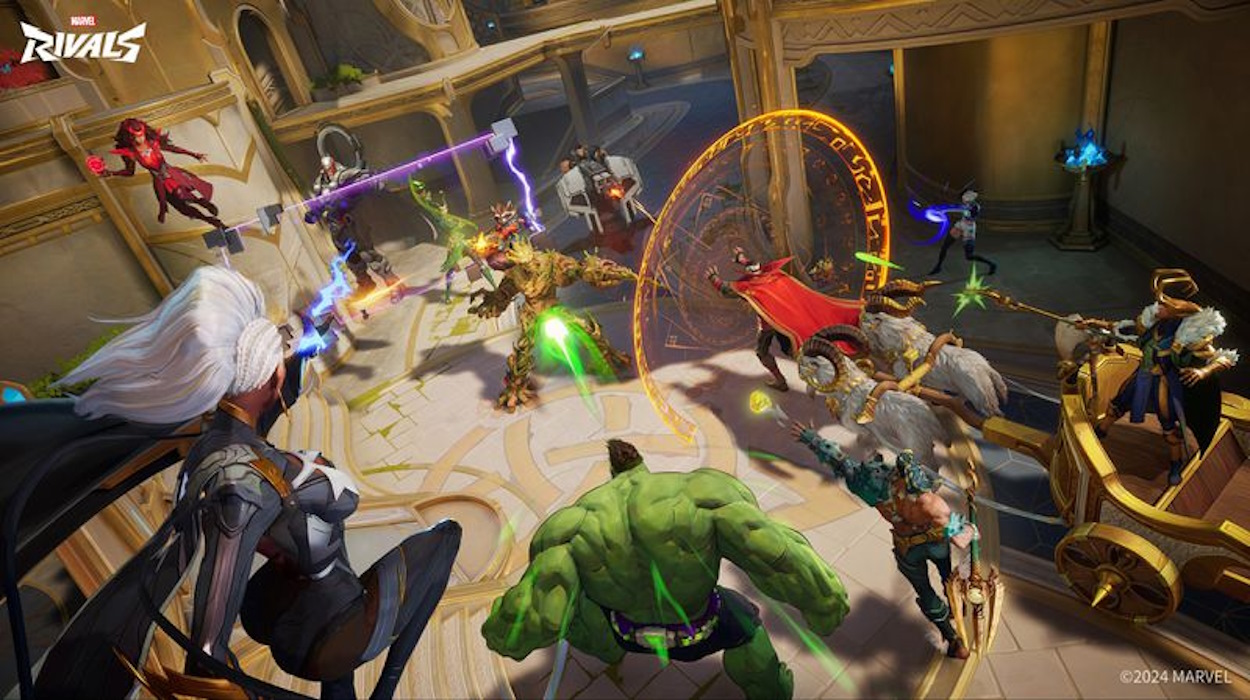
The buzz around Marvel Rivals was expertly crafted, but the community’s excitement felt authentic. A surge of players flocked to closed beta streams for a shot at early access, dedicating hours to grasp the game mechanics before its launch. By December 2024, after its release as a free-to-play title, a wave of content creators, including popular Overwatch figures, quickly transitioned to become stars in the new Rivals scene.
Fans lauded the chaotic 6v6 gameplay, the exciting Team-Up abilities, and the thrill of playing a game where developers appeared to listen to player feedback—a stark contrast to what many had experienced with Overwatch 2. During this time, it seemed like Marvel Rivals wasn’t just a competitor; it was the next evolution of the genre, with engaging team-ups featuring beloved characters like Spider-Man and even niche heroes like Squirrel Girl.

Marvel Rivals even tapped into lesser-known characters, introducing players to figures like Jeff the Land Shark and Luna Snow, who quickly garnered fan appreciation. For a brief moment, Overwatch 2 seemed outdated, with Rivals peaking at an impressive 600K concurrent players in January 2025—a number Blizzard would cherish.
However, as anyone who’s experienced a rollercoaster knows, the highs can be followed by sudden drops, and Marvel Rivals soon discovered that “fun” has its limits.
Rivals Took a Dive, and Player Count Plummeted
The decline in Marvel Rivals’ player count wasn’t sudden; it was a slow burn. After Season 2 dropped, introducing the controversial Hellfire Gala, the initial excitement began to fade. Players faced the reality of NetEase’s live service model, laden with expensive skins, demanding event passes, and content that felt more like padding than substance.
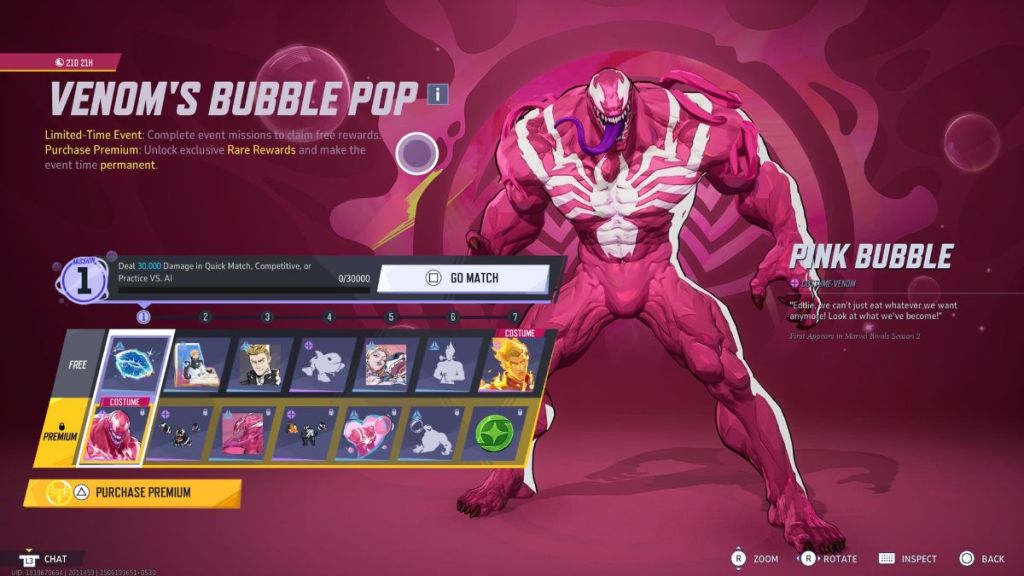
As player counts became painfully visible, we watched as concurrent users plummeted by over 50% in mere weeks. In contrast, Overwatch had gradually lost players for different reasons—lack of consistent updates and frustrating gameplay. Marvel Rivals’ Season 2 brought significant nerfs that hurt favored heroes like Doctor Strange and Spider-Man, chasing away casual gamers who just wanted to jump into a fun match.
Meanwhile, the competitive aspects of Rivals faltered, plagued by smurfing issues and a ranked system that seemed unrewarding, turning the grind into frustration. On the flip side, Overwatch 2’s player numbers began to rise during summer 2025 as players flocked back, realizing nothing else quite felt like home.
As Rivals floundered, NetEase reshuffled its team, taking drastic steps to boost player engagement through constant updates and introducing a plethora of new heroes. But this felt more like content overload, rather than a creative approach. Some high-profile heroes took far too long to be introduced, likely influenced by external factors like film promotions.
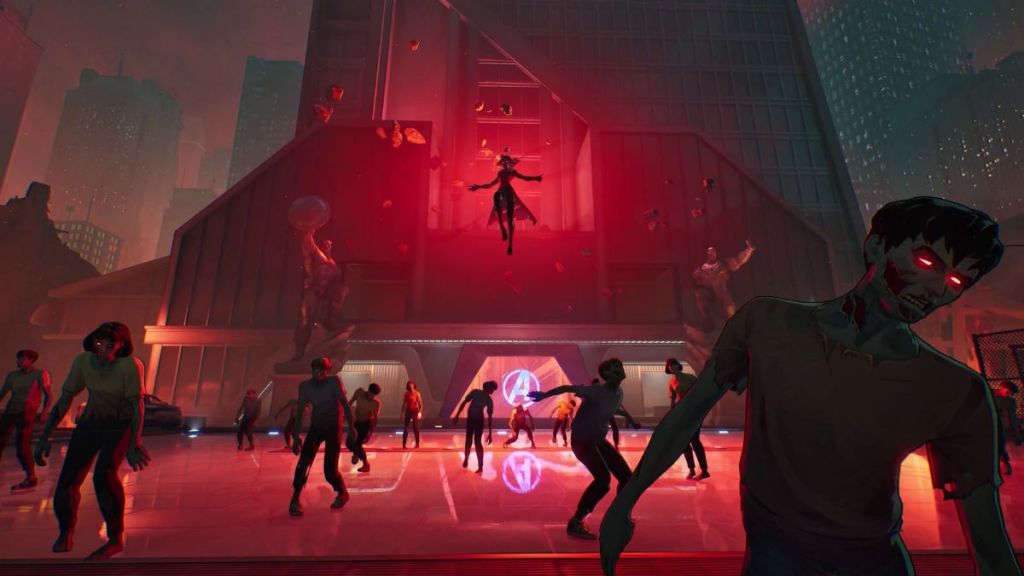
Recently, the introduction of the Marvel Zombies mode did offer a glimmer of hope. This PvE horde experience reached back up to respectable player counts, proving that players crave engaging content tied to the Marvel universe—a promise Overwatch 2 failed to deliver on.
Is NetEase Dodging Bullets with New Heroes?
Even with fresh modes like Rivals’ Day 2025, the issues plaguing Marvel Rivals echo the same traps Overwatch fell into. The excess content hasn’t just diluted enjoyment; it’s also obscured the game’s core flaws.
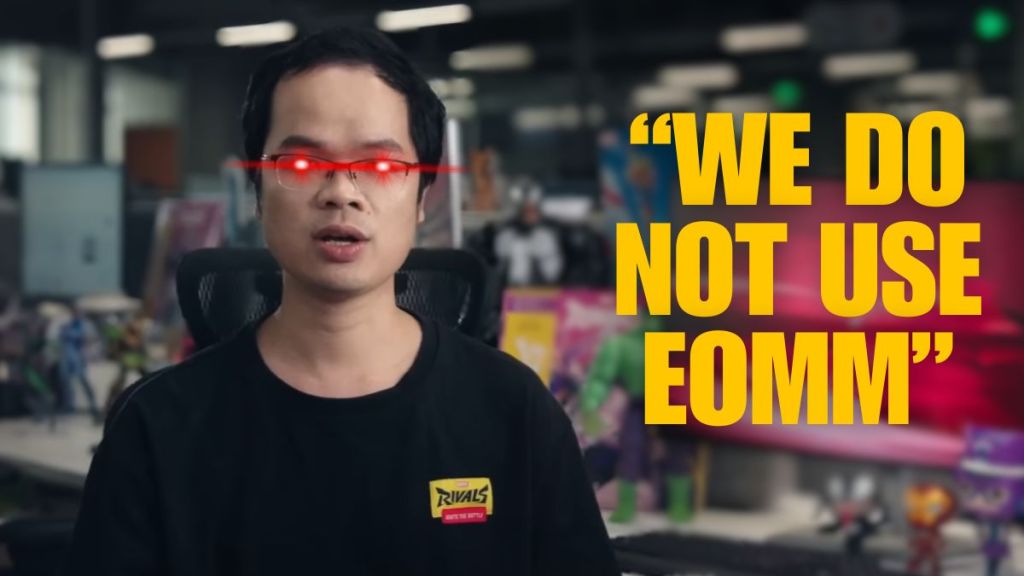
The biggest hurdle is the uproar surrounding Skill-Based Matchmaking (SBMM). Throughout 2025, players expressed frustration with the Engagement Optimized Matchmaking, feeling matches were manipulated to encourage endless grinding. It bred a cynical mindset where losses felt less about gameplay and more about algorithmic sequences.
Pros are pointing out key flaws: lack of suitable map designs for competitive play and visual clutter that hampers high-level performance. The game is caught between being a light-hearted brawler and a serious esport, stumbling at both.
If NetEase truly aims to claim the hero shooter crown, they must pivot their approach immediately. Streamlining the hero roster could foster a more engaging experience rather than inundating players with frequent releases. Overwatch, despite its flaws, remains appealing due to its refined 5v5 gameplay.
Meanwhile, Marvel Rivals grapples with its identity, struggling to harness its potential as a competitive sport. Until NetEase addresses core issues and reduces excessive content while resolving matchmaking inconsistencies, the crown of hero shooters will likely remain with Overwatch.
What about Marvel Rivals stands out against Overwatch?
Marvel Rivals offers a fresh third-person perspective and destructible environments, enhancing gameplay. Additionally, the Marvel IP introduces a vast array of characters that appeals to fans of the franchise.
How has the community reacted to Marvel Rivals since its launch?
Consumer enthusiasm was initially high, with many streamers and players jumping ship from Overwatch. However, ongoing balance issues and matchmaking frustrations have led to a significant decline in player engagement over time.
What were the main issues with Marvel Rivals after its release?
Key problems include a lack of substantive content post-launch, an aggressive monetization strategy requiring premium access for rewards, and a contentious matchmaking system that has alienated players.
Will Marvel Rivals bounce back from its player count drop?
While recent updates, like the Marvel Zombies mode, have spiked interest, long-term reliance on transient events without fixing foundational issues may not sustain player engagement.
What lessons can be learned from Marvel Rivals’ launch and decline?
Engagement thrives on meaningful player feedback, balanced content, and addressing matchmaking challenges—a balance crucial for sustaining a game’s audience over time.
What are your thoughts on Marvel Rivals and its comparison to Overwatch? Feel free to share below!