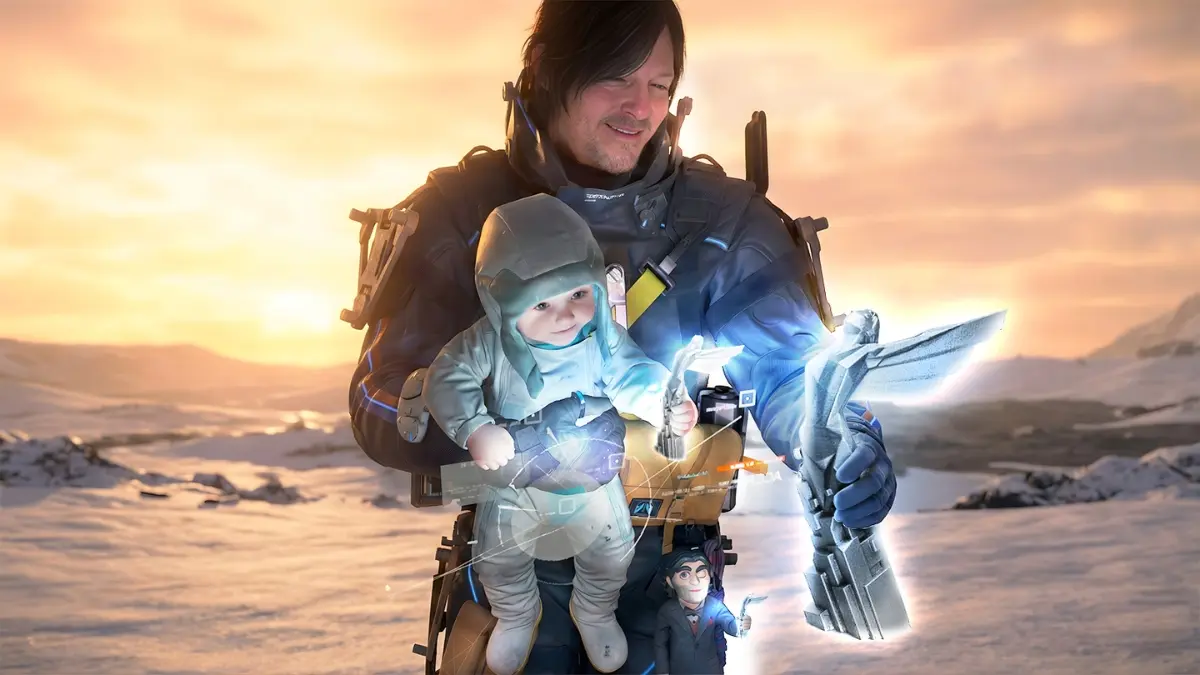
Gaming has a unique way of surprising fans. Every generation delivers a sequel that defies expectations, and with “Death Stranding 2,” we’re witnessing something truly remarkable. From the moment you fire it up on the PS5, the game introduces you to an expansive world defined by confidence, scale, and visual storytelling that only Hideo Kojima could achieve.
The original “Death Stranding” hit the gaming world during a time when the need to reconnect was palpable. Fast forward to now, “Death Stranding 2: On the Beach” arrives at a moment when those very connections are being tested. As our society attempts to heal and reconnect, the sequel digs deep into the complexities of trust and the emotional weight of restoring relationships.
Many games this year carried emotional depth, yet “Death Stranding 2” captivated me with its profound narrative. Through its somber gameplay, this title transforms what some may label a “walking simulator” into an introspective community journey.
Beneath its apocalyptic stakes lies a deeply human story, prompting reflections on personal relationships and the fragile hope that even broken bonds can be mended.
The Kojima Touch: Surrealism Meets Cinematic Storytelling

Kojima’s signature style saturates the game: surreal visuals, cryptic symbols, and cinematic flair abound. This installment evolves the “Strand” philosophy, pivoting from merely aiding the United Cities of America to supporting “Drawbridge,” a civilian faction founded by Fragile. The shift from “Ropes” to “Both Stick and Rope” emphasizes that protecting those we love sometimes requires a fight.
In “Death Stranding 2,” I felt more than just a courier. Each journey and choice Sam makes enriches the narrative, revealing layers to a world that responds intimately to the player’s actions.
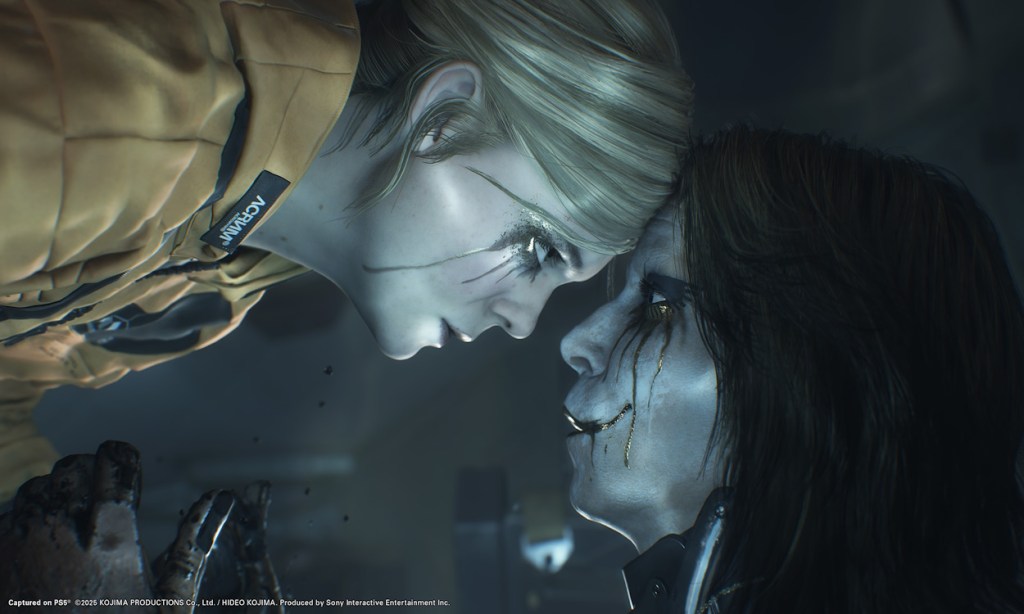
Returning is Higgs, a chaotic force reminiscent of a mischievous trickster, wielding an electric guitar that weaponizes sound, introducing drama into combat that highlights Sam’s calm demeanor. This time around, Sam isn’t alone. He’s supported by the diverse crew of the DHV Magellan, a mobile base patrolling the game’s treacherous landscapes.
The crew includes an intriguing mix of characters, each adding new dynamics and forcing Sam, and in turn the player, to confront deeper questions about values and personal growth.

The introduction of enhanced “Strand” systems offers a new layer of gameplay depth. When I discovered a well-placed ladder left by another player, it fostered a connection that felt personal and genuine. This isn’t just about the game directing my actions; it’s about contributing positively to another player’s journey through unforgiving terrain.
From constructing vital infrastructure like roads and monorail tracks to leaving behind shelters for fellow travelers, every small act of kindness is a testament to the game’s community-driven ethos. These moments reminded me that even in a chaotic world, there’s room for cooperation and support without strings attached.
While many games this year are filled with frenetic action, “Death Stranding 2” encourages contemplation and grounding through its emotional score. Imagine a film by Guillermo del Toro; the industrial-orchestral music elevates each scene, leaving players deeply moved.
Amidst Action-Rich Adventures, “Death Stranding 2” Stands Out
You might ask why I’m passionate about “Death Stranding 2” compared to towering competitors like “Expedition 33” or “Silksong.” To put it simply, DS2 delivers on all fronts. It offers tense boss battles akin to those in “Expedition,” encourages exploration comparable to “Silksong,” and boasts a soundtrack that undoubtedly deserves its own concert tour.
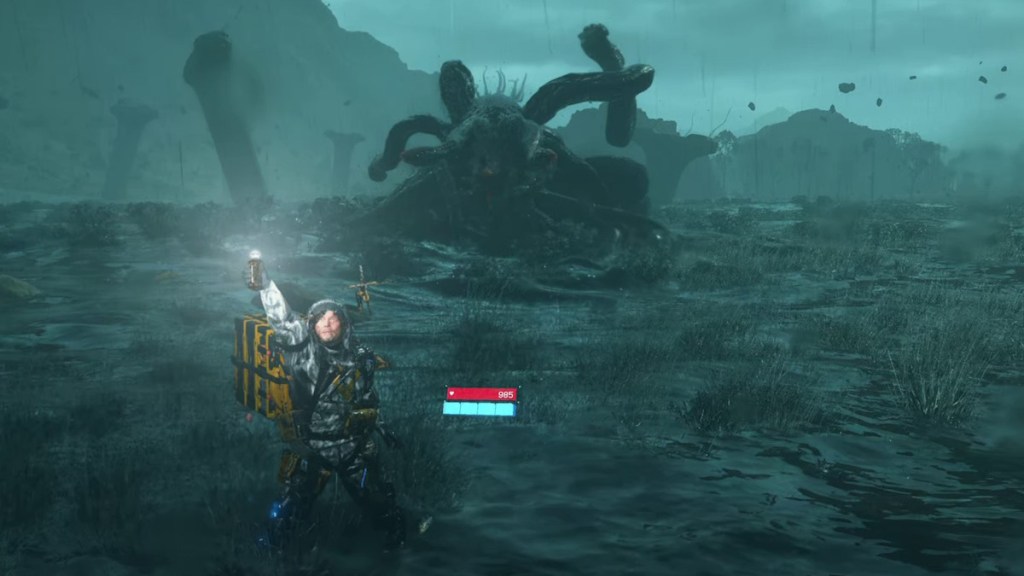
While it may not secure the GOTY title in 2025, especially considering Kojima’s historical underappreciation by critics, his unique vision remains undeniable. Whether it’s a beloved game or a thought-provoking book, his works continually invite exploration and reflection. “Death Stranding 2” proves to be no exception, pushing boundaries in narrative depth and world design.
Rich storytelling and gameplay marry seamlessly in “Death Stranding 2,” transporting players to a vibrant and immersive environment. The transition from the United Cities of America to a fragmented Australia and parts of Mexico beautifully redefines the stakes. Players navigate oceans, deserts, and changing floodplains, showcasing an incredible power of the PS5.
The narrative weaves back and forth in time, enriching both Sam and Neil Vana’s journeys. These layers invite heartfelt moments of reflection; the emotional bond between Sam and “BB” digs deep into themes of fatherhood and grief, hitting home for many players. Each fundamental piece expertly crafted mimics the nostalgia felt from the first installment.
Finishing the game, I felt compelled to explore more, complete side missions, and uncover every possible detail about the world and its inhabitants. I wanted to leave not a single loose end that could potentially awaken a catastrophic BT and impact the lives within the game’s universe.

This game has a way of connecting players to unseen strangers, prompting a reflection on important relationships in our own lives. It encourages a pace that allows appreciation of simple, quiet moments. Ultimately, it reinforces the idea that games can be deeply personal, artistic expressions.
This is Kojima at his most daring—rich in humanity and storytelling. “Death Stranding 2” is a game destined to leave a lasting impression, one that invites players to return again and again. It truly deserves recognition and accolades in the gaming world.
Continue exploring more immersive content and insights at Moyens I/O.