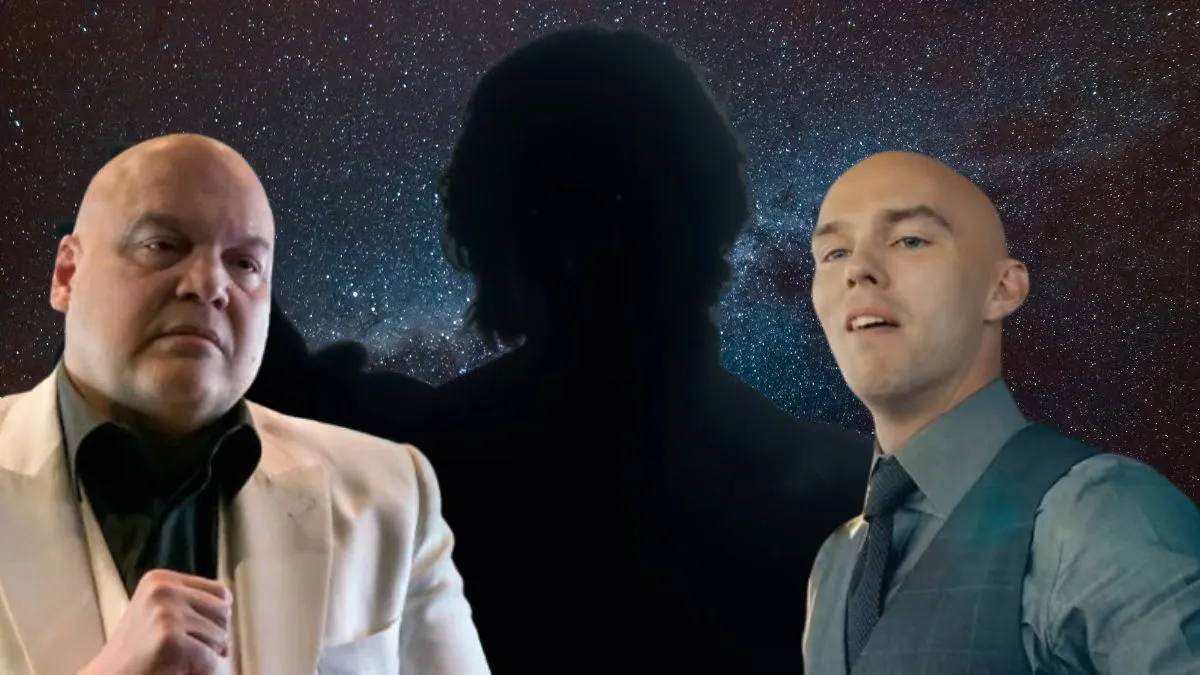
2025 has turned out to be a remarkable year for cinema, filled with captivating releases. While superhero movies dominated the spotlight with their vibrant colors and uplifting messages, the true standouts were often the villains. These antagonists played a crucial role in shaping the narratives and enhancing the viewing experience. Join me as we explore how the villains of 2025 truly became the unsung heroes of the cinematic universe.
Villains as Ideological Opposition, Not Just Threats

This year, many villains challenged heroes on a philosophical level rather than through sheer power. Lex Luthor, instead of being a typical tyrant, felt deeply offended by Superman’s existence. Their conflict unfolded as a battle of ideals rather than punch-ups. Similarly, The Void in Thunderbolts wasn’t merely a menacing figure; it represented a vast emptiness, a loss of hope. The resolution came not through brawn but through empathy and understanding, highlighting the emotional growth of both heroes and their ally caught in shadows.
Are Human Villains Scarier than the Superpowered Ones?
In 2025, the villains felt eerily real, and that’s what made them chilling. Characters like Wilson Fisk in Daredevil: Born Again weren’t just lethal; they were deeply manipulative figures who operated within the system. Fisk was less a monster and more a mirror reflecting societal rot. His quiet control posed a lingering threat that heroes could challenge but never fully erase.
Leon Prater in Dexter: Resurrection took this idea further, justifying evil under layers of twisted elitism. His character made viewers question the thin line between righteousness and villainy. The engagement came not from fear of their power but from their unsettling relatability. These narratives remind us that the scariest villains often emerge from familiar trajectories, causing us to wonder who might follow in their footsteps.
Villains as the Emotional Heart of the Story
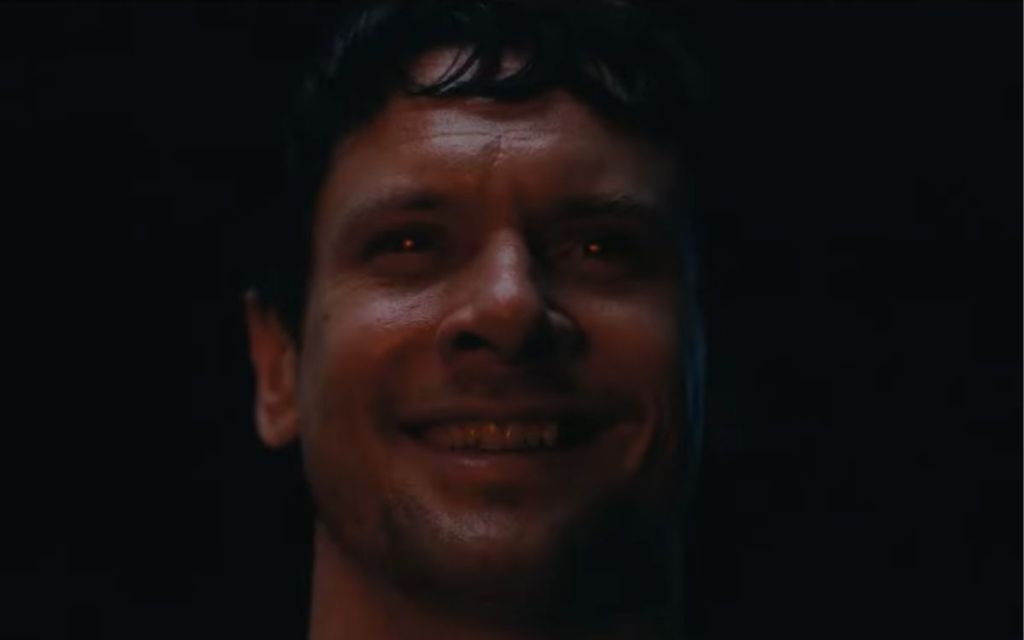
This year’s antagonists stepped up their game and became the emotional core of their stories. Take Remmick in Sinners, for example. Instead of your average villain, he embodied moral dilemmas and decay, pushing protagonists to their limits. His presence was unsettling, not because of supernatural powers but because of what he represented—temptation and moral erosion.
Gladys in Weapons followed a similar arc, adding layers to what could have been a straightforward horror villain. Her brand of cruelty felt bizarrely normal, forcing characters and viewers to confront their discomfort. It’s a new wave of villains that compels the audience to wrestle with the darker aspects of humanity rather than to simply jump at scares.
Were Villains Truly the Heroes of 2025?
What makes these 2025 villains captivating is their unwavering clarity of purpose. They didn’t rely on gimmicks to frighten but stood firmly by their beliefs, providing an essential contrast to the heroes battling for hope and sincerity. As heroes rediscovered their identities and convictions, villains sharpened their own by challenging those ideals, giving weight to every confrontation.
The narratives we witnessed showed that real depth and complexity in storytelling come from villains who provoke thought and emotion. In a year where worlds collided, it was the antagonists who forced us to confront uncomfortable truths alongside our favorite heroes.
What makes a great movie villain?
A great movie villain is one who challenges the hero ideologically or emotionally rather than just through physical strength. They often have backstories and motivations that resonate with the audience, making them memorable and complex.
Why are human villains often more relatable than superpowered ones?
Human villains often reflect real societal issues or moral dilemmas, making their actions feel more relatable. Their motivations are usually rooted in relatable human experiences, while superpowered villains may seem distant or less tangible.
How do villains enhance a story’s emotional depth?
Villains add emotional depth by representing the protagonist’s internal struggles and fears. They can embody the consequences of personal choices, forcing heroes to confront their darkest impulses and moral conflicts.
What role do villains play in character development?
Villains often serve as catalysts for character development, pushing heroes to grow and evolve. By facing formidable foes, protagonists are forced to confront their beliefs and change, creating a richer narrative arc.
Can a villain be seen as a hero in their own story?
Absolutely. Many villains possess motives that may align with traditional heroism in their perspective, and exploring their side of the story can reveal complexities that blur the lines between good and evil.
2025’s villains are a testament to how storytelling can challenge perceptions and spark conversation. What do you think made these characters so compelling? I would love to hear your thoughts in the comments below!