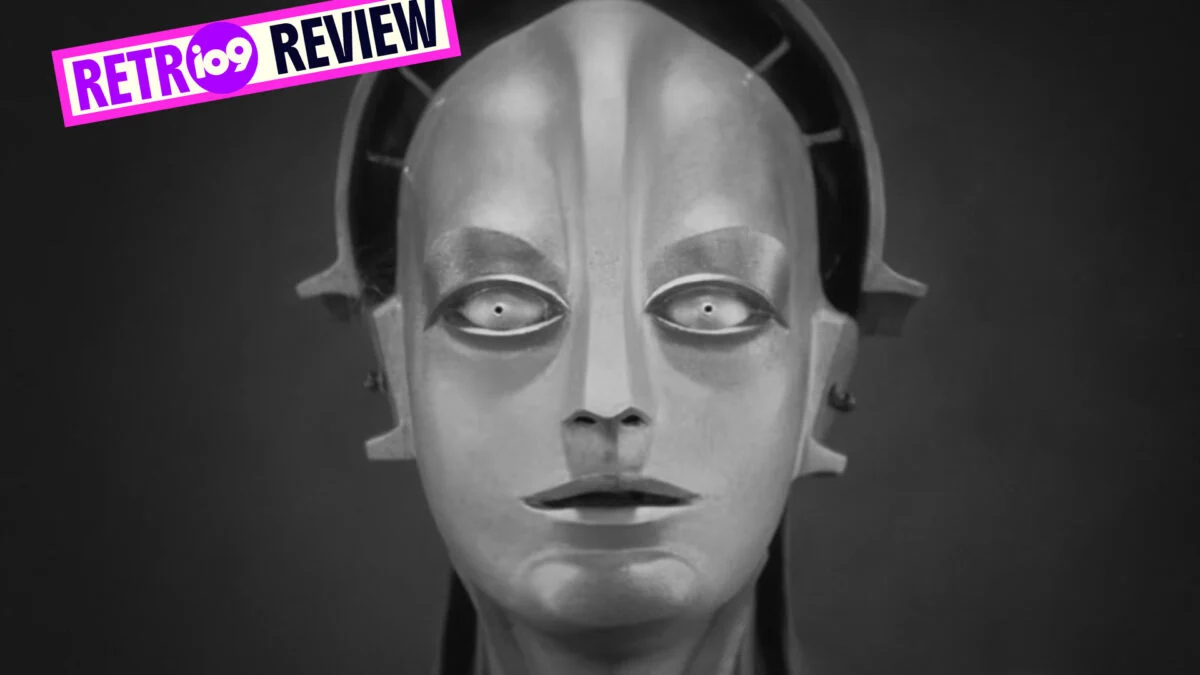
Ever wonder what the future holds? Back in 1927, Fritz Lang’s Metropolis offered a glimpse into 2026, filled with both technological marvels and stark social divides. As someone who’s spent years analyzing how films reflect and predict our world, I find it fascinating to revisit these visions and see how they measure up.
Metropolis, a silent German expressionist film, isn’t just a visual spectacle; it’s a commentary on class struggle and the impact of technology. Let’s explore what this cinematic time capsule got right (and wrong) about our present.
What predictions did Metropolis get wrong about 2026?
Newspapers as the main source of news

Metropolis envisioned a future where newsstands still thrived. Instead, we’re scrolling through endless feeds on our phones. I remember when getting a physical newspaper was a daily ritual; now, it feels like a distant memory. While the film’s tactile newsstands are charming, our reality is dominated by digital updates and, unfortunately, paywalled content.
Humans being essential for automation

The film portrays automation as reliant on exploited human laborers, toiling beneath the surface. But today’s technology is far more autonomous. I’ve seen factories where machines operate with minimal human oversight. Metropolis‘s metaphor is powerful, but the reality is even more automated, reducing the need for human involvement in many sectors.
Open-concept death-trap elevators

Thankfully, the film’s vision of open-concept elevators hasn’t materialized. Can you imagine hopping onto a constantly moving elevator like it’s a conveyor belt? Freight elevators exist, but run-of-the-mill lifts aren’t designed for such daring feats. I think most of us are grateful for that.
What predictions did Metropolis get right about 2026?
High-end prostheses

The film’s depiction of prosthetics feels surprisingly modern. While the mad scientist using them is a bit cliché, the advanced nature of the prosthetic hand is noteworthy. I’ve seen how far prosthetic technology has come, offering incredible functionality and a glimpse into a cyborg-filled future.
Cybertrucks (sort of)

Those angular cars in Metropolis bear an uncanny resemblance to the Cybertruck. The trapezoidal design is hard to miss. It makes you wonder if Elon Musk drew some unintentional inspiration from this classic film. While the Cybertruck’s aesthetics are divisive, Metropolis foreshadowed this polarizing design trend.
Video calls

Video calls are commonplace now, and Metropolis predicted their existence. The film’s version is a bulky machine, but the core concept is there. I remember when video calls felt like a futuristic dream. Now, they’re an everyday reality, connecting us across distances.
Making tech in the likeness of women


From Siri to Alexa, we often give our tech assistants female voices and personas. Metropolis did this with its automaton, highlighting our inclination to feminize technology. The film even calls the automaton “the most perfect and most obedient tool which mankind ever possessed,” reflecting some uncomfortable societal tendencies.
Tech advancements being big with perverts


The unveiling of Futura at a gentleman’s club highlights a disturbing trend: tech often caters to the desires of the “lonely and horniest.” I’ve noticed how new technologies, from VR to AI chatbots, are quickly adapted for adult entertainment. Metropolis‘s foresight on this is unsettlingly accurate.
Technology sowing discord and duping the masses

Deepfakes and AI-generated content are now used to impersonate figures and spread misinformation. Futura in Metropolis incites a destructive revolt, mirroring how technology can be weaponized to manipulate the masses. The film highlights how easily technology can be used to sow discord, a lesson that remains relevant.


