The air hung thick with anticipation. A hooded figure emerged from the shadows, voice a gravelly rasp that sent shivers down your spine. Was this the creature the trailers promised? Now, the series teases the arrival of a game-changing element: FEV.
Season 2 of Fallout brings to life iconic elements from the gaming universe. Radscorpions and Deathclaws have already made their gruesome debuts, but a key player has been missing. I’m talking about Super Mutants, noticeably absent so far from the Amazon Prime series.
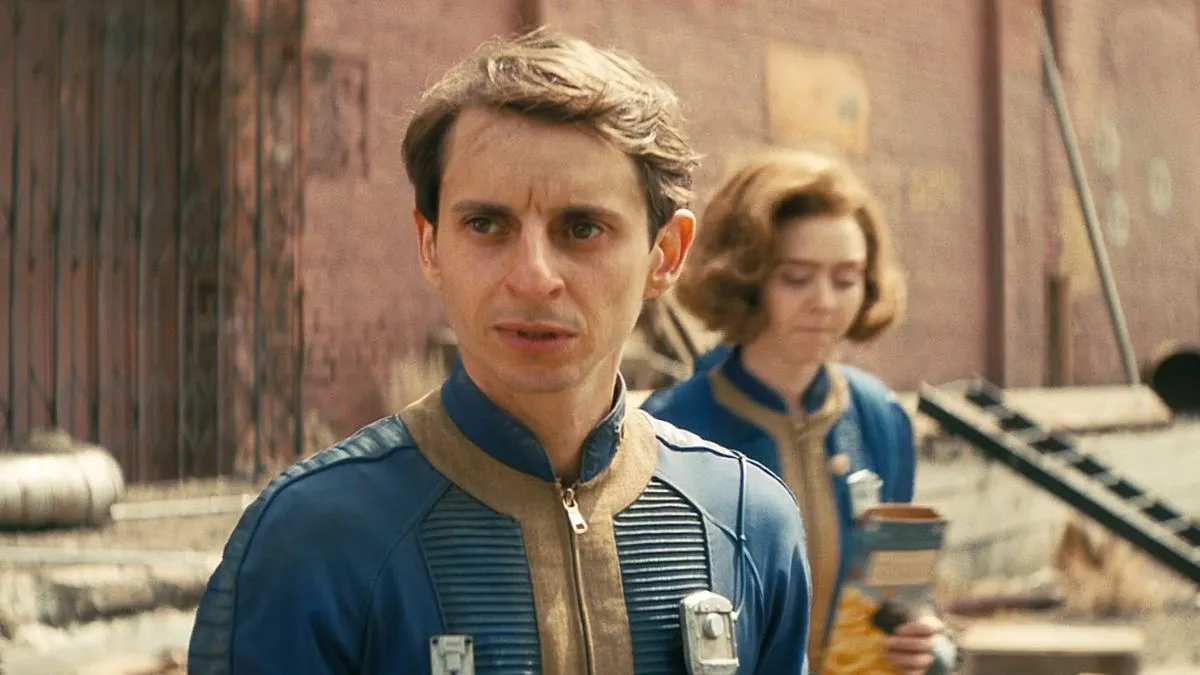
Episode five subtly hints at their arrival with the introduction of F.E.V., the Forced Evolutionary Virus. Norm uncovers a terminal entry describing the virus before an abrupt interruption by Vault 31’s Ronnie. The show will reveal more details as it goes on, but let’s get ahead of the curve. Here’s what you need to know about FEV in Fallout.
Fallout‘s Forced Evolutionary Virus (FEV) Explained
Think of a blacksmith hammering metal—shaping and reshaping it under intense heat and pressure. FEV is similar, but it works on a genetic level.
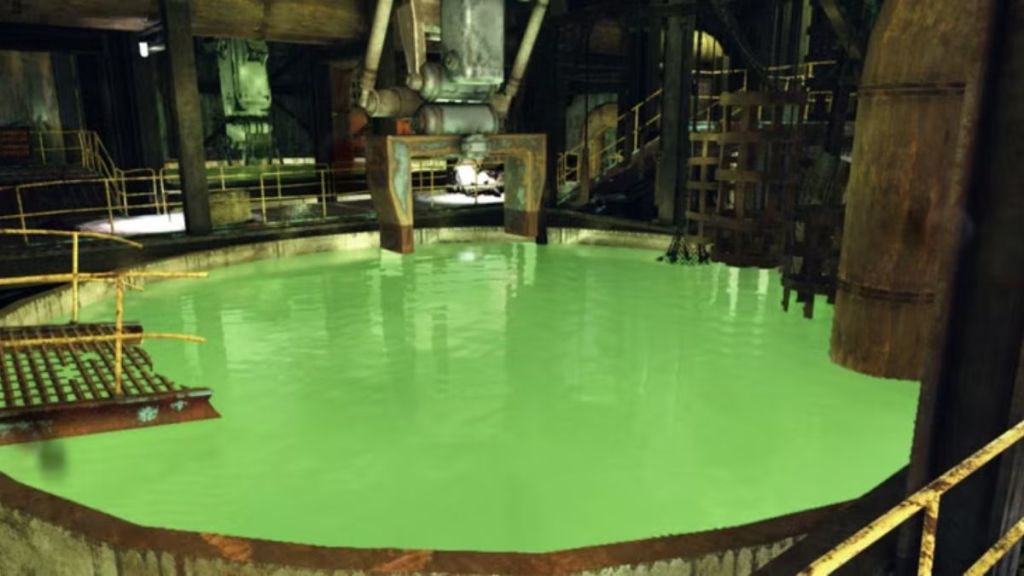
Within Fallout‘s lore, F.E.V. was conceived by West Tek Corporation, the U.S.’s primary pre-war defense contractor. It was designed to be a bioweapon, forcing mutations and transforming its subjects, and easily modified to fulfill various objectives.
Regardless of the strain, FEV exposure is excruciating, rewriting the host’s DNA. This virus was central to Fallout 1, where the antagonist, The Master, used the FEV-2 strain to birth a new race to supersede humanity, the Super Mutants, whose mutations increased their odds of surviving the nuclear wasteland. FEV also birthed Centaurs and Floaters, though it’s most famously tied to Super Mutants.
Episode five calls the virus a “gene-altering agent” capable of supercharging organisms. This lines up with the games, where FEV regenerates while accelerating mutations, creating a “better version” of the subject. But this often comes at the cost of organ failure, body deformation, and mental degradation.
What Role Does FEV Play in Fallout Season 2?
Imagine a loaded gun sitting on a table in the first act of a play. You know it’s going to go off. The FEV reveal is much the same.
As of episode five, what FEV is building toward remains unclear. However, a Super Mutant appearance seems probable. Season 2’s trailer teased a hooded figure, whose guttural voice is reminiscent of the Super Mutants from the games.
How does FEV affect humans?
FEV is a gamble. The virus can either transform a human into a hulking, powerful Super Mutant, or something far less desirable. The process often results in mental degradation and physical deformities.
The introduction of Super Mutants could have major narrative implications. The series has set up the Enclave and the Brotherhood of Steel (two factions with zero tolerance for Super Mutants), which could lead to a Mutant rebellion. Or, it may point to one of Vault-Tec’s inhumane experiments involving FEV exposure. We will have to wait to see what comes next.
Are Ghouls caused by FEV?
Think of ghouls as sunbathers who took things too far. Instead of tanning, the radiation warped them. Ghouls aren’t caused by FEV; they’re the result of long-term radiation exposure.
And that is what you should know about FEV in Fallout. Will the Super Mutants be friends or foes in the series?
FEV is a gene-altering virus, best known for creating Super Mutants in the Fallout universe.
No, Ghouls are not caused by FEV, and are simply a result of long-term exposure to harmful radiation.