
The flickering screen showed a world consumed, each shadow a potential nightmare. Then the credits rolled on 28 Years Later: The Bone Temple, and the questions began. You’re not alone if the threads of the narrative felt tangled; this film throws a lot at the viewer.
Decoding the Finale of The Bone Temple
Ever notice how the most impactful endings linger in your mind long after you leave the cinema? The final act of 28 Years Later: The Bone Temple is a pressure cooker of conflicting motivations. Doctor Kelson, initially manipulated by Jimmy Crystal into a charade of demonic theatrics, experiences a seismic shift when he grasps the true extent of Crystal’s depravity and sees Spike trapped in his web. This realization sparks a rebellion.
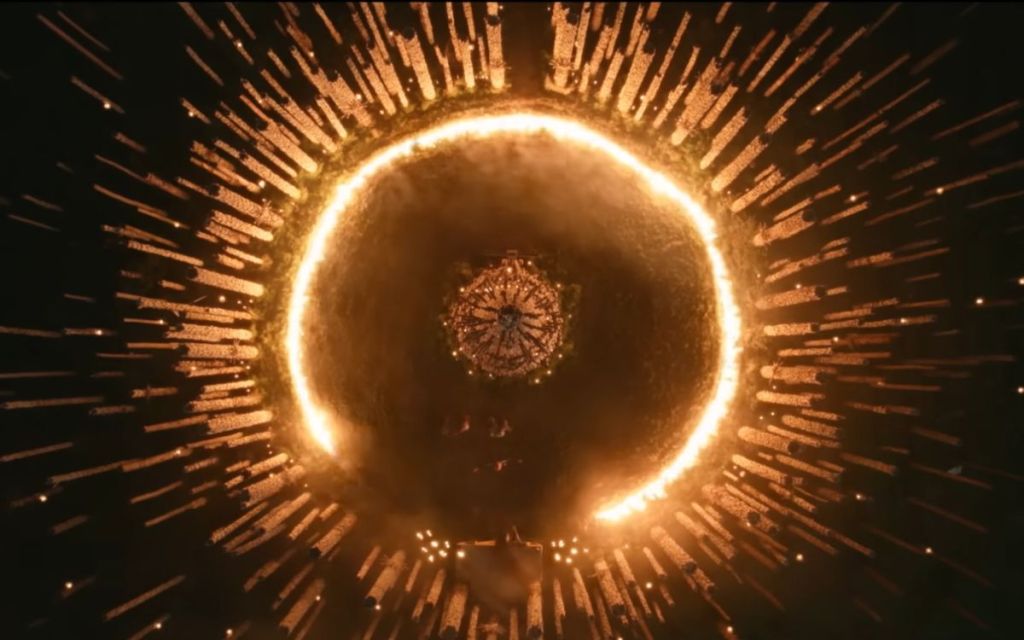
Kelson sows seeds of dissent among Crystal’s followers, but Crystal retaliates with a fatal blow. In a mirroring act, Spike avenges Kelson, while Jimmy Ink eliminates the remaining dissenters. Kelson’s sacrifice isn’t in vain, though.
His death marks a turning point. Spike and Jimmy Ink leave the carnage behind. Shortly after, Samson, his humanity restored due to Kelson’s efforts, arrives to carry Kelson’s body away. This poignant moment feels like a final act of respect. The narrative then shifts gears.
What role does Cillian Murphy play in 28 Years Later: The Bone Temple?
Consider the weight of a legacy, and the burden it places on the next generation. The film cuts to Cillian Murphy, reprising his role, mentoring his daughter. Their isolated existence is shattered by the arrival of Spike and Jimmy Ink, fleeing from the infected. This encounter serves as the catalyst, drawing Murphy’s character back into the fold and setting the stage for the next chapter.
The ending of 28 Years Later: The Bone Temple isn’t a neat resolution; it’s more of a fuse being lit. The narrative pieces are scattered, and characters are set on collision courses. It’s like a chess board reset mid-game.
How does The Bone Temple set up the next film?
This installment does more than continue a story; it widens the scope. Cillian Murphy’s re-emergence suggests a return to the roots of the infection, perhaps seeking a cure or a means of control. The alliance between Spike and Jimmy Ink presents a fascinating dynamic—two characters from vastly different backgrounds united by survival. This unlikely partnership injects moral ambiguity into a world already teetering on the brink.
The narrative threads left dangling are numerous. What direction will director Danny Boyle and writer Alex Garland take this world? Will they double down on horror, or will they lean more into character-driven drama? More pressingly, what is the significance of ‘The Bone Temple’ itself?