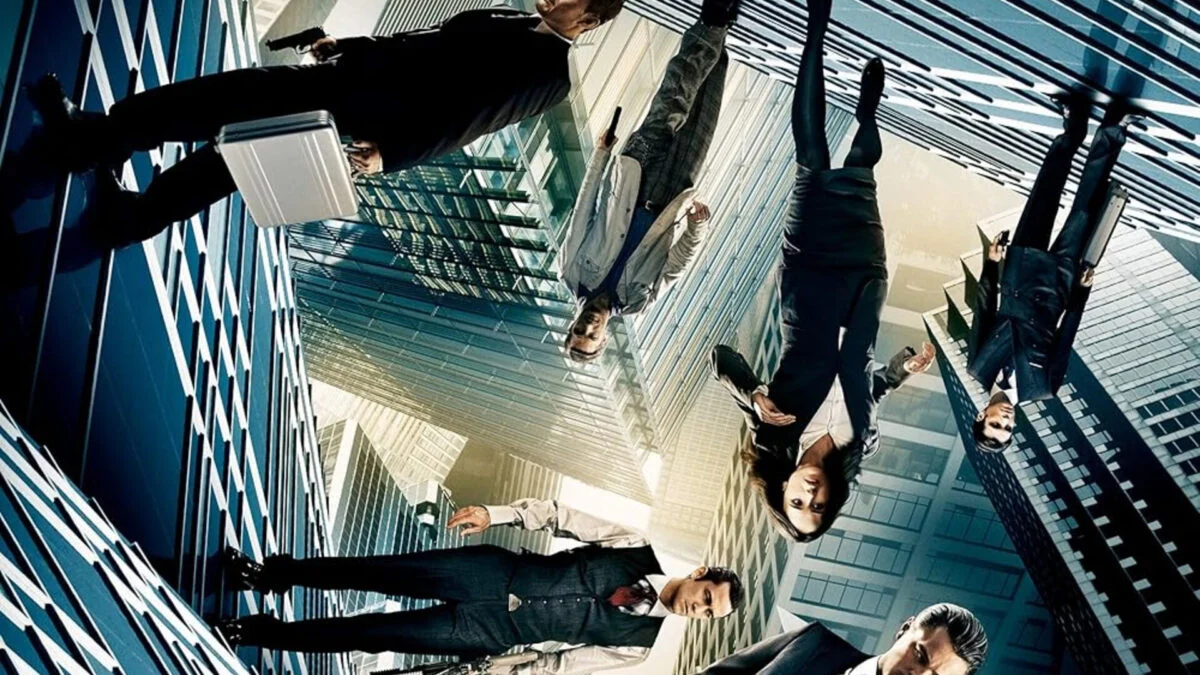
The flickering projector light cast long shadows as the final scene played out, a spinning top wobbling precariously. Did it fall, or didn’t it? That ambiguity, that persistent question, is precisely why films like Inception earn a place in the National Film Registry.
Like previous years, the Library of Congress selected 25 titles for 2025 based on “their cultural, historic, or aesthetic importance.” Inception—the first Christopher Nolan film to get added to the Registry—resonates, the Library suggests, because it’s “a meditation on how dreams influence identity,” especially relevant “in an age of digital simulation, blurred realities, and uncertainty.” The Incredibles, meanwhile, wasn’t just Pixar’s first film with an outside director; it kicked off a multimedia boom with video games, merchandise, and future sequels.
The newly added films range from silent movies of the late 19th century to blockbusters from recent decades, the most recent being 2014’s The Grand Budapest Hotel. Across the entire list, other notable genre flicks include The Wizard of Oz, the Looney Tunes short What’s Opera, Doc?, Night of the Living Dead, and Blade Runner.
• The Tramp and the Dog (1896)
• The Oath of the Sword (1914)
• The Maid of McMillan (1916)
• The Lady (1925)
• Sparrows (1926)
• Ten Nights in a Barroom (1926)
• White Christmas (1954)
• High Society (1956)
• Brooklyn Bridge (1981)
• Say Amen, Somebody (1982)
• The Thing (1982)
• The Big Chill (1983)
• The Karate Kid (1984)
• Glory (1989)
• Philadelphia (1993)
• Before Sunrise (1995)
• Clueless (1995)
• The Truman Show (1998)
• Frida (2002)
• The Hours (2002)
• The Incredibles (2004)
• The Wrecking Crew (2008)
• Inception (2010)
• The Loving Story (2011)
• The Grand Budapest Hotel (2014)
Want more io9 news? Check out when to expect the latest Marvel, Star Wars, and Star Trek releases, what’s next for the DC Universe on film and TV, and everything you need to know about the future of Doctor Who.
Why Do Movies Get Added to the National Film Registry?
Think about your favorite films. The ones you return to again and again. Preservation isn’t just about keeping the celluloid safe; it’s about safeguarding shared cultural touchstones. The Library of Congress selects films for the National Film Registry based on “cultural, historic, or aesthetic importance.” That’s a broad mandate, allowing everything from silent shorts to modern blockbusters to be considered.
Inclusion in the Registry means the film is preserved for future generations, a tangible effort to hold onto our collective cinematic memory. It’s like hitting “save” on a rapidly changing world. Think of the Registry as a time capsule, carefully curated by film historians and archivists. The goal? To capture the essence of a specific moment in time.
What Criteria Does the Library of Congress Use?
Consider The Karate Kid, also added this year. On the surface, it’s a feel-good sports story. Yet, beneath the surface are themes of mentorship, overcoming adversity, and finding inner strength. The Library doesn’t just review box office numbers; they consider a film’s lasting impact.
The selection criteria are broad by design, encompassing historical significance, artistic merit, and cultural impact. A film doesn’t need to be a critical darling to be included. Sometimes, a film’s popularity and influence on society are enough to warrant preservation. It’s about films that have reflected and shaped American culture.
Inception: More Than Just a Dream?
I remember leaving the cinema after seeing Inception for the first time, my head spinning (no pun intended). Years later, the film remains a topic of discussion, a testament to Nolan’s skill. What’s interesting is the Library of Congress’s analysis.
Their statement describes it as “a meditation on how dreams influence identity,” and it resonates deeply “in an age of digital simulation, blurred realities, and uncertainty.” In other words, the film taps into our anxieties about the nature of reality. In a world increasingly mediated by technology, Inception feels more relevant than ever. The film is like a hall of mirrors, reflecting our own questions about what’s real and what’s not. Nolan didn’t just make a movie; he built a philosophical puzzle.
How Does Inception Reflect Modern Anxieties?
Think about the rise of AI, virtual reality, and the metaverse. The lines between the physical and digital worlds are becoming increasingly blurred. Inception explores this terrain, raising questions about the nature of consciousness and the power of suggestion. It’s a film that invites us to question our perceptions. As society grapples with technological advancement, the questions asked by Inception become ever more relevant.
Deeper still, the film plays with the idea of planting an idea in someone’s mind. This mirrors the way social media algorithms curate our feeds, shaping our opinions and beliefs. Just as Cobb and his team infiltrate people’s dreams, algorithms infiltrate our online experiences. Are we truly in control of our thoughts, or are we being subtly influenced?
The Incredibles: A Superhero Family for the Ages
Pixar’s The Incredibles isn’t just another superhero movie; it’s a commentary on family dynamics and societal expectations. It was also Pixar’s first foray with an outside director, Brad Bird, previously known for The Iron Giant. The Library of Congress highlighted its multimedia legacy, recognizing that its impact extends far beyond the silver screen. We can see it’s influence in subsequent superhero films.
The film resonates because it presents a relatable family, albeit with extraordinary powers. Each member embodies a familiar archetype: the strong father, the adaptable mother, the rebellious teenager, the energetic child. But it’s the way they navigate their challenges together that makes the film so enduring. It’s a story about teamwork and acceptance.
The National Film Registry selections for 2025 remind us that cinema is more than just entertainment; it’s a mirror reflecting our hopes, fears, and values. Will future selections continue to challenge and provoke, or will they simply serve as nostalgic reminders of the past?