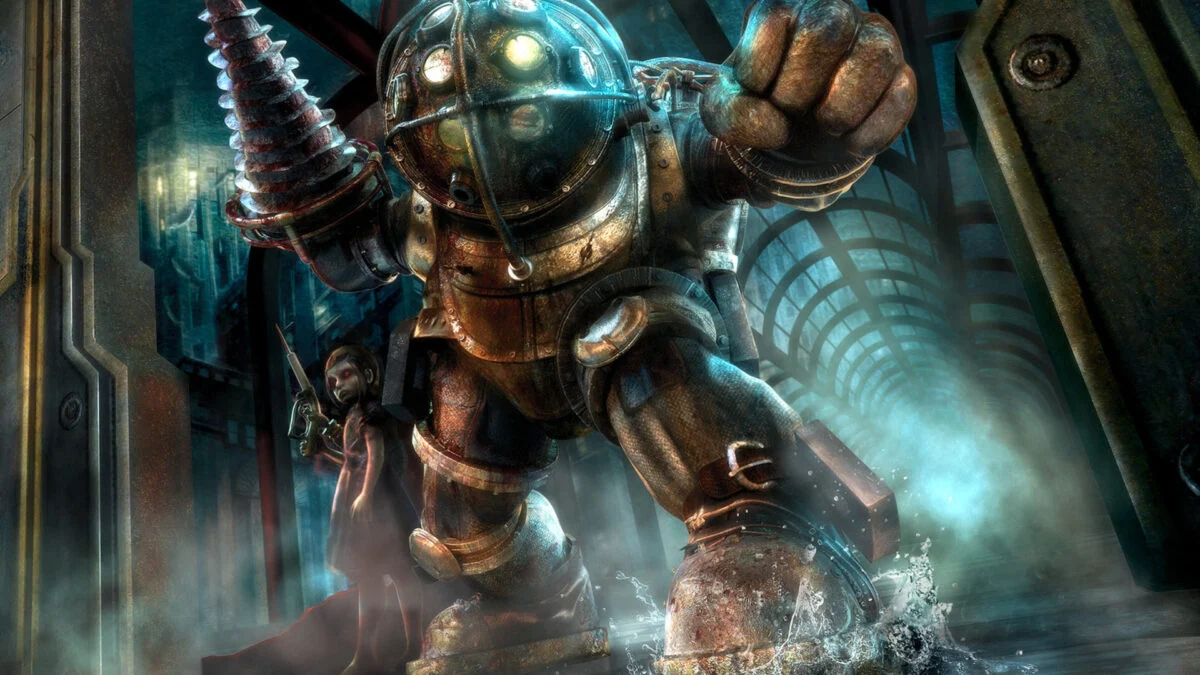
Imagine standing at the edge of Rapture, a haunting underwater city rife with secrets and moral dilemmas. You breathe in the eerie beauty, knowing that choices made here can haunt you long after the credits roll. Gore Verbinski’s vision for a BioShock film could have taken you there, but the opportunity slipped into the abyss of development hell.
This week, Good Luck, Have Fun, Don’t Die premieres, marking Verbinski’s return after nearly a decade. Before this, he was poised to direct a big-screen adaptation of the iconic video game series, which was sadly never realized. His take might have resonated with fans eager for something richer than typical horror fare.
What Was Verbinski’s Vision for BioShock?
During a recent Reddit AMA, Verbinski opened up about his intentions. In collaboration with then-writer John Logan, he envisioned honoring both endings of the first game, examining the consequences of player choices—or the illusion of choice itself. The psychological depth of this narrative could have left audiences questioning their own morality.
What themes were explored in BioShock?
Verbinski had plans to explore the Oedipal dynamics intertwined with the Little Sisters, a concept already rife with emotional weight. He expressed anticipation for how this would challenge perceptions and “mess with people’s heads,” blending horror with profound ethical considerations.
Why Would Fans Crave a Verbinski BioShock?
Fans of A Cure for Wellness will recall the film’s audacious artistry and psychological terror. Verbinski’s signature style meant that visuals would be nothing short of captivating, featuring the twisted art-deco aesthetic of Rapture. That this vision was never realized may leave a bittersweet taste, especially now, as viewers are more open to experimental horror narratives.
Netflix has since taken the reins for a BioShock film, but Verbinski remains skeptical about their direction. He hinted that other studios might shy away from the darker themes he intended to explore. His vision was challenging, meant for those who appreciate cinema that probes into the darker corners of the psyche.
What makes BioShock special in gaming culture?
The game’s rich storytelling and moral ambiguity resonate deeply with players, a quality Verbinski sought to adapt. With the landscape of horror movies shifting, audiences crave narratives that blur the line between entertainment and introspection. Verbinski’s crafted approach might have offered that, creating a unique experience in film history.
Want to stay updated? Explore upcoming Marvel, Star Wars, and Star Trek releases, as well as the evolving narratives of the DC Universe and Doctor Who.
As we ponder what could have been, one question lingers: would audiences be ready for the unsettling depths of Verbinski’s BioShock vision—or has that ship truly sailed?