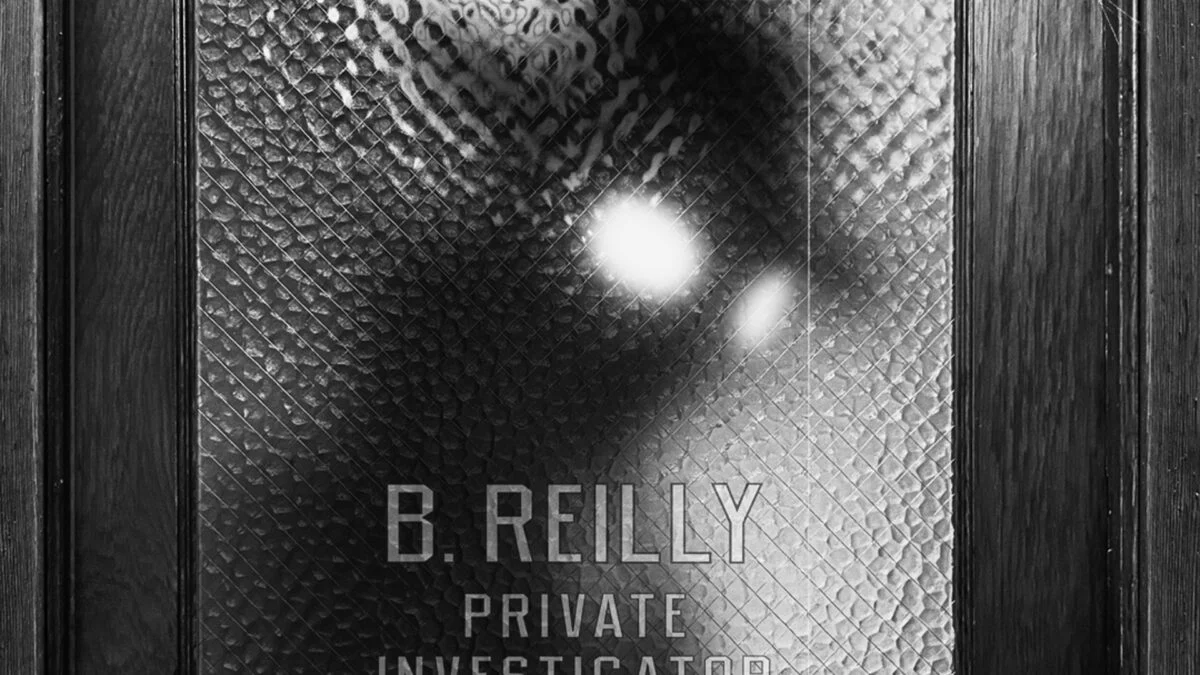
In a smoky, dimly-lit detective’s office, shadows flicker along the walls—Ben Reilly, the man beneath the mask, sits with a heavy heart and a past that never stops haunting him. He’s far from the wide-eyed Peter Parker of high school fame; instead, he’s a weary soul grappling with the weight of lost hopes. As the rain beats against the window, you can’t help but feel that this isn’t just another superhero tale—it’s a deeper exploration of who we become when our pasts refuse to let us go.
Ben Reilly: The Reluctant Hero
It’s fascinating how the complexities of a character can define a story’s core. In the upcoming Spider-Noir series, Ben Reilly, a clone of Peter Parker better known as the Scarlet Spider, steps into the limelight. He embodies a more jaded persona, a reflection of years gone by and battles fought. As co-showrunner Oren Uziel notes, Peter is too boyish for the gritty world of film noir. Reilly, on the other hand, is not just living in the past but is haunted by it.
What makes Ben Reilly different from Peter Parker?
You might wonder why this shift is pivotal. Ben has traversed a path marked by disillusionment and dark moments—a far cry from the usual Spider-Man narrative. You might see him as the ghost of Peter’s future, shaped by experiences that add depth to his character. His journey explores themes of identity and redemption, making it clear why he’s central to this noir narrative.
From Innocence to Disillusionment
Life often strips away our youthful optimism, much like the fall of an autumn leaf as it spirals to the ground. According to producers Phil Lord and Chris Miller, Ben’s lived experience makes him resonate with a wider audience, especially those who can relate to lost dreams. He’s already faced his Chinatown moment, a significant turning point that will unfold throughout the series. What you’ll discover is a layered narrative that intertwines personal struggle with the archetypal hero’s journey.
What can viewers expect from Nicolas Cage’s performance?
If you’re wondering about Nicolas Cage’s unique portrayal, expect the unexpected. Cage himself describes his approach as channeling a blend of Humphrey Bogart’s noir essence and the whimsy of Bugs Bunny. It’s not just performance; it’s a psychological exploration of an animalistic nature within a hero’s guise. This is the kind of richness that defines his acting—a visceral commitment that you won’t find elsewhere.
The Spider-Cosplay Dilemma
This brings us to a curious angle of storytelling: how does one embody a spider while masquerading as a human? Cage’s suggestion that he’s “a spider trying to cosplay as a human” adds layers of intrigue to a character caught between worlds. It raises questions about authenticity and identity—how can one exist authentically in a world that constantly demands alteration?
If this exploration of Ben Reilly in Spider-Noir intrigues you, it’s simply a glimpse into a rich tapestry of narrative choices destined to engage viewers. As we await the premiere on Prime Video later this year, I can’t help but wonder—do we yearn for heroes who are merely super, or do we crave those who reflect the complexities of our own human experiences?