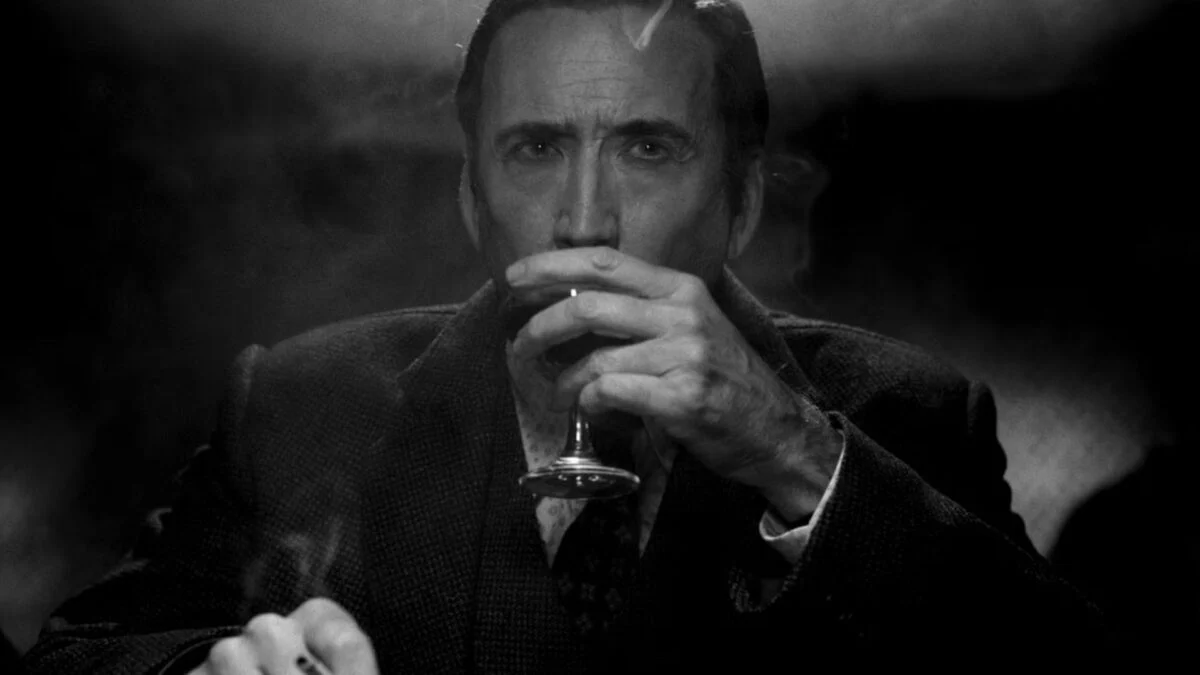
When news broke that Oscar-winning actor Nicolas Cage would portray a 1930s film noir version of Spider-Man, a curious thrill hummed through fan communities. The upcoming series Spider-Noir, launching this spring on MGM+ and Prime Video, promises the option to watch in both vibrant color and evocative black and white. You might wonder: which format would Cage himself choose? Spoiler alert: it’s not what you might think.
“I understand why they presented it in both, and I suggested it in the beginning,” Cage explained in an interview with Esquire. He reminisced about Amazon’s initial hesitation toward black and white. “You don’t have to only do it in black and white. You could do it in color as well because this is for all ages.” His voice reveals both authority and excitement—he sees beauty in all formats. But he’s particularly drawn to the allure of black and white, which offers a shadowy elegance and depth.
The show stars Cage as Ben Reilly, a weathered webslinger with a murky past, a character he feels thrives in the noir aesthetic. “It matches my concept of how to portray a film noir,” he reflected. Each format, he argues, has its own merits. “The color is super saturated and gorgeous,” he continues. “But if they want to experience the concept in black and white, maybe that would instill some interest in them to look at earlier movies and enjoy that as an art form.”
Why Black and White? The Artistic Intent
You’ve probably flipped through a photo book and marveled at how certain images come alive in monochrome, awakening forgotten emotions. Cage captures this notion perfectly. He likens his connection to black and white to the thrill of experiencing something raw and unrefined, like peeling back the layers of a well-aged onion. For him, it transcends mere visual appeal; it’s an invitation to engage with film history.
What Makes ‘Spider-Noir’ Unique?
As Cage notes, the dual presentation fosters an appreciation for cinematic art across generations. The color version dazzles the eye, while the black and white option offers a portal into the past. It’s a modern twist on the classic film experience, much like the surprise of tasting a new flavor that surprisingly pairs well—a tasty grappling of contemporary and traditional storytelling methods.
Referencing the Greats: Cage’s Inspirations
Consider Cage’s admiration for Godzilla Minus One. “When it came out in Japan, I saw it in color. I thought it was stunning,” he recounted. “But it was stunning when they reissued it in black and white. It looked like an old Godzilla movie.” This kind of duality is what Cage seeks to emulate in Spider-Noir, merging appreciation for the old while engaging the new, like a musical reprise that finds fresh meaning in a familiar tune.
Want more io9 news? Check out when to expect the latest Marvel, Star Wars, and Star Trek releases, what’s next for the DC Universe on film and TV, and everything you need to know about the future of Doctor Who.