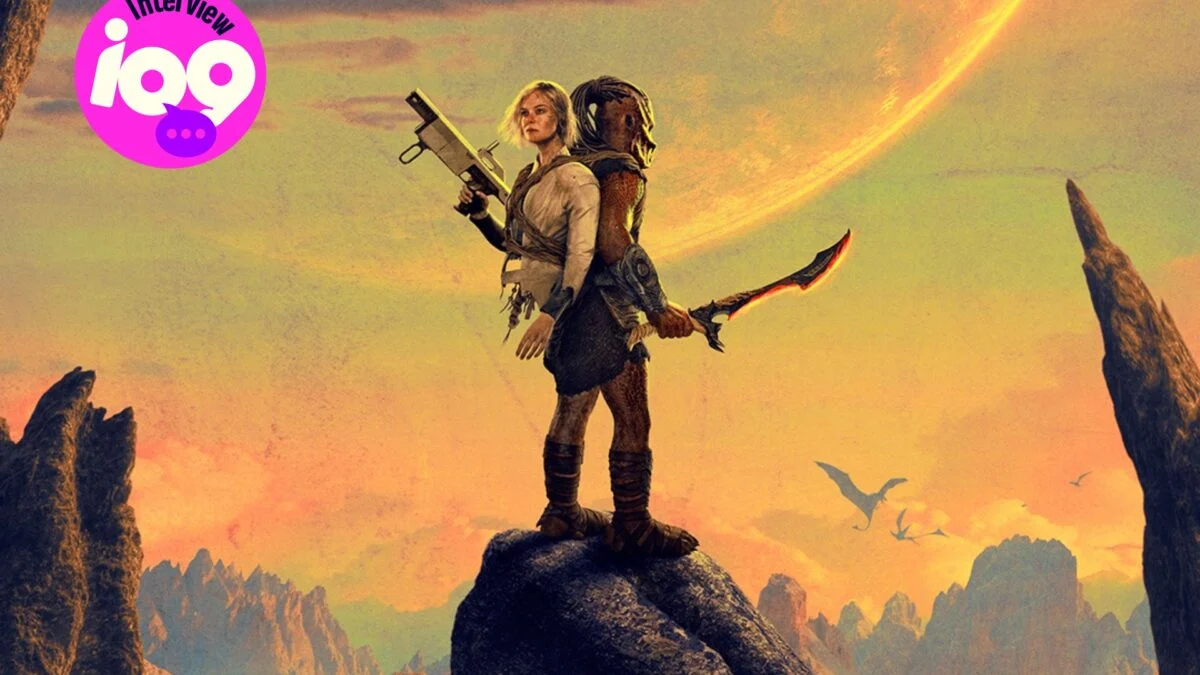
In a bathroom at a film festival, director Dan Trachtenberg overheard a conversation that felt like a knife to the heart. After the first test screening of Predator: Badlands, two audience members were dissecting the movie—and not in a good way. “Why the fuck would they make that movie after Prey?” one said, while the other replied bluntly, “That was awful.” As Trachtenberg stood in silence, dread washed over him. But fast forward—a stunning 86% on Rotten Tomatoes and nearly $200 million later—he can finally breathe easy; the critics were in the minority. This week, with the film arriving on streaming platforms, I sat down with Trachtenberg to explore the intricate tapestry of Badlands.
The bathroom incident—an experience he thought he’d never share—set the stage for a deeper conversation about the film’s nuances. With accolades rolling in, we discussed its evolution, tracing the DNA of Predator and Aliens through various callbacks and cliffhangers, while contemplating the film’s various endings and character journeys. His confidence to include pre-visualization snippets in the home release, and how his new Paramount deal intersects with future projects, were also on the agenda.
Callbacks to the Classics: How Nostalgia Drives Engagement
Every fan of the franchise knows that nostalgia plays a massive role in keeping audiences engaged. Trachtenberg mentions that the film pays homage to Predator and Aliens creatively and intentionally, particularly in scenes where Dek dons gear reminiscent of Dutch’s iconic preparation. “He is Dutch,” Trachtenberg shares with a glimmer of enthusiasm. The very essence of that comparison was integral during the writing process. “The planet becomes his weaponry,” he adds, making it clear how homage transforms into a narrative engine.
What key elements did Dan Trachtenberg prioritize in crafting Badlands?
From establishing callbacks to creating a new foundation, Trachtenberg had a vision: layering emotion and tension into every frame. Imagine building a house where each room is familiar yet profoundly different. In his mind, the narrative hinged on the idea of a protagonist confronted not only by a formidable adversary but also the surreal elements of an alien world—each bringing their own challenges.
Cinematic Evolution: The Power Loader and Creature Design
Much like the evolution of technology in our daily lives, the film’s special features reflect a reimagined approach to creatures and combat auto gear. The Power Loader, a nod to Aliens, became a pivotal point in his creative journey. Trachtenberg recalls nervous moments pitching it to the studio, unsure whether such a reference would resonate. “It was indeed a challenge to balance recognition and innovation,” he admits. The design became more than an homage; it became a vital aspect of the character’s conflict, representing the clash of nature versus technology.
How did critical responses shape the final product of Predator: Badlands?
Initial screenings revealed unexpected pressure points that Trachtenberg and his team were quick to address. The ending underwent refinements in response to viewer feedback. “They really wanted more,” he explains, referring to audience enthusiasm for character arcs. What began as a brief confrontation transformed into an emotionally charged climax, echoing classic samurai films— a testament to how external perceptions can shift creative trajectories.
Redefining Predator Lore: The Cloaking Device as a Rite of Passage
Imagine earning your renowned title through trials and tribulations, much like a knight earning a sword. Trachtenberg innovatively positioned the Predator’s cloaking device as something the character must earn rather than acquire. A brilliant touch from writer Patrick Aison, this conceptual twist adds depth to the lore, mirroring classic tropes like Bond’s iconic introduction. “It’s not something he has at the beginning,” Trachtenberg points out. This transformation serves not just as a narrative device but as an audience-engaging ritual.
What can we expect from future projects in the Predator franchise?
As Trachtenberg strengthens his creative foothold at Paramount, he sees a series of exciting opportunities blossoming. “Oh my God, there are so many exciting things we can do,” he remarks with palpable enthusiasm. The franchise is in a fertile ground, ready to harvest stories that delve deeper into its rich history while exploring uncharted territory.
Feeling a rush of excitement as I walked away, I pondered how a moment of vulnerability in a bathroom transformed into a thrilling chapter in cinematic storytelling. Predator: Badlands has not just revivified the franchise; it’s made a compelling case for how experiences—both triumphant and challenging—can redefine a story’s worth. What does this signify for the future of franchises that tread the fine line between homage and innovation?