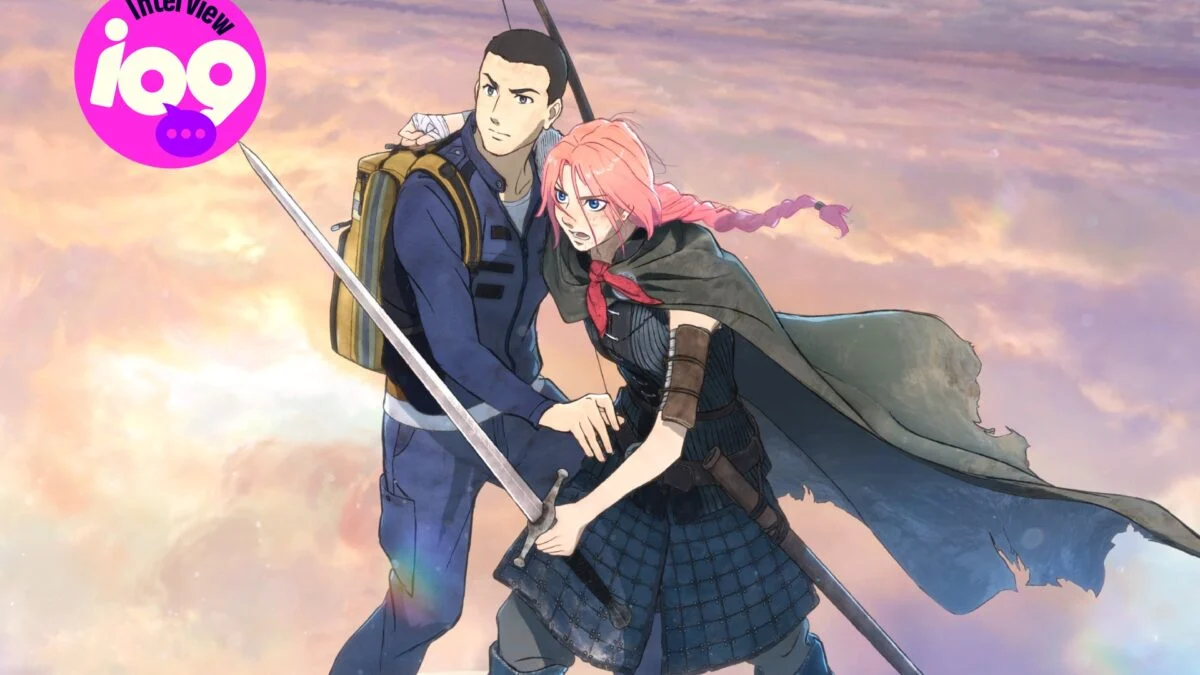
In a hushed theater, the lights dim, and anticipation hangs thick in the air. The curtain rises on Scarlet, Mamoru Hosoda’s latest anime, and in an instant, you’re thrown into a world where vengeance clashes with the pursuit of peace. A princess trapped in limbo, her quest for revenge against those who wronged her father draws you in, but a modern medic pulls her in an unexpected direction: toward redemption.
The film, based on William Shakespeare’s iconic Hamlet, is not just a retelling but a reimagining. It’s Hosoda’s fresh take that infuses the classic tale with the vibrant pulse of isekai aesthetics. It offers a striking psychological landscape, where a princess grappled by both pain and potential asks, “How should I live?”
Conflict and Closure: The Relentless Cycle of Revenge
At the heart of great storytelling often lies a powerful emotional truth. The aftermath of the pandemic brought heightened global unrest, compelling Hosoda to explore a narrative process rife with turmoil and healing. “In a world full of despair, where does one find the pathway to forgiveness?” he asks.
Your heart sinks as Scarlet’s tumultuous journey unfolds before your eyes. It’s not merely a quest for retribution; it’s a reflection of our world’s incessant cycles of conflict. As critical as it is to depict these hard realities, it is Hosoda’s deft hand that crafts a narrative—one that gives hope, where pain and healing intertwine.
How Does the Visual Narrative Enhance Scarlet’s Journey?
One glance at Scarlet in her striking white dress, a blade in hand, amidst a backdrop tinged with the crimson of revenge, reveals a seamless fusion of beauty and brutality. This visual metaphor speaks volumes—like a canvas splattered with both light and darkness. The white evokes purity, yet layered beneath the surface is mourning, reflecting her inner turmoil at the boundaries of life and death.
Yet, what resonates deeper is her evolution. As she faces the devastating consequences of vengeance, she learns to appreciate life beyond the blade. It’s a poignant reminder that even in the darkest moments, the flicker of hope can illuminate the path.
Transformation Through Choice: A Personal Reflection
How often do you find yourself at a crossroads, pondering choices that could reshape your life? Hosoda’s ambition in Scarlet lies in presenting one such defining moment: characters who learn that life is richer than the pursuit of vengeance. Scarlet begins with her sole focus on revenge, convinced there are no other choices. But as her story unfolds, light encourages her to ask, “What kind of life do I truly want?”
You’ll find your own heart resonating with Scarlet as she learns to understand her worth beyond revenge. In a world preoccupied with conflict, her journey towards self-discovery is a narrative thread woven to remind us of our own capacity for transformation.
What Makes Scarlet’s Story Stand Out in Today’s Landscape?
While adaptations of classical stories often settle for imitation, Hosoda etches a unique mark on his version of Hamlet. His refusal to compromise on the essence of hesitation—the very psyche of Hamlet—invites audiences to embrace the chaos that stems from complex emotions. But here lies the twist: in Scarlet, the ghost of King Amleth not only urges revenge but offers the essential message of forgiveness.
In a media landscape rife with simplistic narratives about good and evil, Scarlet’s inner turmoil serves as a reminder that the battle is often within ourselves. This emotional depth invites viewers to engage with the story on a personal level, fostering a dialogue around choice and consequence.
A Conversation Beyond Words: The Legacy of Hosoda
What does it mean to be a storyteller in an age overflowing with content? Hosoda’s exploration of human experience—loneliness, identity, and the yearning for connection—ensures that each frame resonates beyond entertainment. The emotional truths manifest not just in the grand gestures but in the subtle choices characters make.
As you step away from Scarlet, it’s not merely the stunning visuals that remain with you, but the call to action implicit in its narrative: to choose paths of kindness over cycles of vengeance. It’s an invitation for reflection, a nudge to consider how individual choices can ripple outward, shaping the fabric of our collective experience.
You may find yourself asking, does your journey echo Scarlet’s? In a world where cycles of revenge seem inescapable, perhaps the most courageous act is to choose life, newly forged from the embers of pain. Are we strong enough to be agents of our own transformation?
Scarlet is currently in theaters and IMAX, beckoning you to witness this captivating adaptation that lingers long after the credits roll.
Want more io9 news? Check out when to expect the latest Marvel, Star Wars, and Star Trek releases, what’s next for the DC Universe on film and TV, and everything you need to know about the future of Doctor Who.